Federal Guidance Clarifies Protections for Trader Joe's Workers Filing NLRB Charges
U.S. Department of Labor-linked guidance explains employees’ rights and protections against employer retaliation when they file complaints or unfair labor practice charges with the National Labor Relations Board. The guidance is a practical, government-backed resource for Trader Joe’s workers who believe they have been retaliated against or are considering filing a charge, outlining prohibited employer actions, possible remedies, and where to seek help.
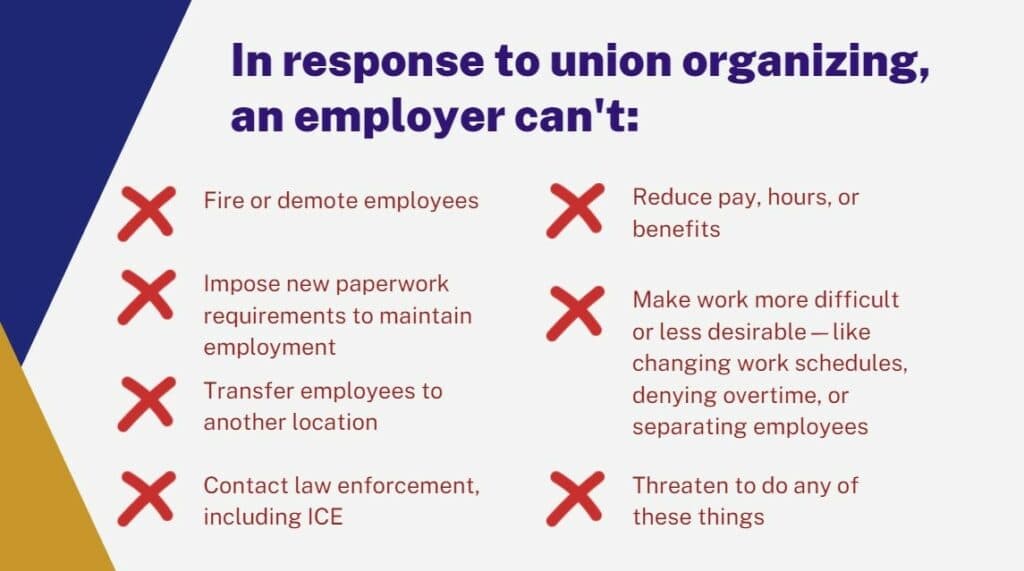
Federal workplace guidance tied to the U.S. Department of Labor gives clear direction to employees about protections against retaliation after filing complaints or unfair labor practice charges with the National Labor Relations Board. The material spells out that workers are shielded from adverse actions by employers for engaging in protected activity, and it describes the NLRB process for seeking remedies such as back pay and reinstatement.
Under the guidance, employers may not lawfully discharge, demote, reduce hours, or otherwise retaliate because an employee announced an intent to file a charge or participated in an NLRB investigation. The protections cover a range of conduct commonly seen in stores and distribution centers, from vocal complaints about working conditions to participation in collective activity or formal charges. The NLRB has an established procedure for filing charges, investigating alleged violations, and pursuing remedies when unlawful retaliation is found.
For Trader Joe’s employees, the guidance matters in day-to-day workplace dynamics. Workers who raise concerns about scheduling, safety, discipline, or union organizing can rely on these protections while deciding whether to take formal action. At the same time, invoking rights and filing charges can heighten tensions at specific locations, making clear documentation and careful use of official resources important to avoid escalation and to preserve legal claims.
The federal guidance notes that the NLRB provides phone and web resources for employees seeking help and emphasizes that statutory timelines for filing charges exist. Those timelines can affect whether a charge is accepted, so employees who believe they have experienced retaliation should consult NLRB resources promptly and preserve records such as schedules, written communications, and witness names. Available remedies from the board include reinstatement to a prior position and back pay for lost wages when unlawful retaliation is proven.

Human resources and store managers at Trader Joe’s must also operate within this framework. Training supervisors on what constitutes protected activity and what types of responses are unlawful can reduce risk for the company and prevent chilling effects on worker speech. For employees, the federal guidance serves as both a legal shield and a practical roadmap for next steps: document incidents, use NLRB channels for filing a charge if appropriate, and seek information from the board’s contact resources.
The government-backed resource brings clarity to employees and employers alike about rights, responsibilities, and remedies. For frontline retail workers at Trader Joe’s navigating disputes with management, it offers a concrete starting point for asserting protections against retaliation and for understanding how the NLRB can remedy violations.
Know something we missed? Have a correction or additional information?
Submit a Tip