Federal Judge Bars DHS From Coercing Immigrant Children Into Self-Deportation
A federal judge found that DHS tactics pressuring unaccompanied children to "voluntarily" return home before seeing a lawyer "disturbingly mirror" coercion banned since 1986.
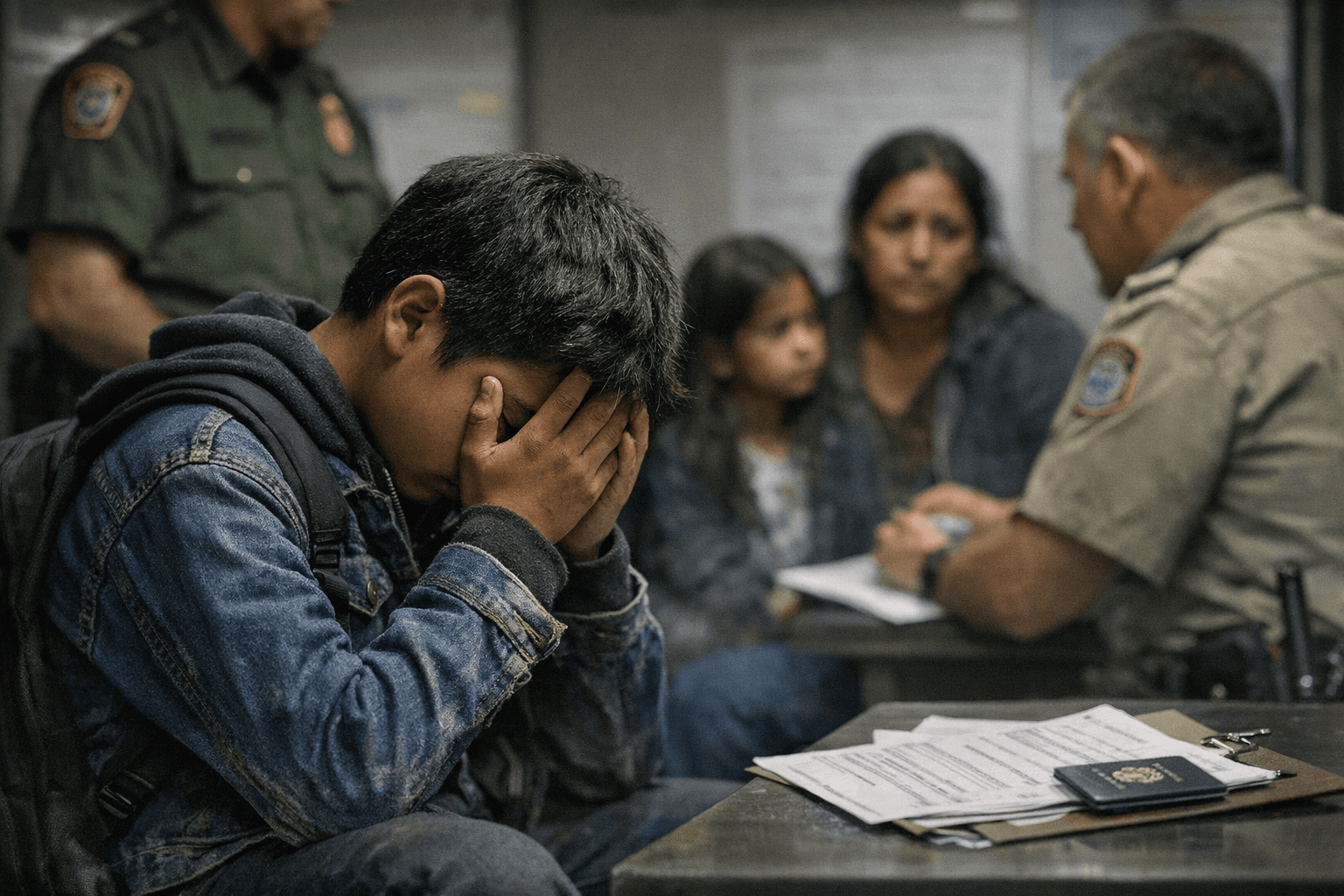
U.S. District Judge Michael W. Fitzgerald ordered the Department of Homeland Security to stop using coercive, threatening or misleading language to pressure unaccompanied immigrant children into accepting deportation, ruling that recent government practices echoed the same misconduct a landmark 1986 class-action was designed to permanently prohibit.
The orders, issued Monday and reported publicly Tuesday, require DHS and Customs and Border Protection personnel to cease presenting children with a "voluntary return" option at the initial point of contact, before any legal counsel or guardian can be reached. Judge Fitzgerald denied the administration's request to rescind or reinterpret the longstanding protections, finding the government's record insufficient to justify eliminating safeguards that have governed the treatment of detained immigrant children for four decades.
The ruling's direct lineage runs to Perez-Funez, a 1986 class-action lawsuit that established special procedural protections after courts found children had been deprived of counsel and misled into waiving their legal rights. Judge Fitzgerald wrote that government statements threatening prolonged detention, or suggesting children would be penalized for refusing expedited removal, "disturbingly mirror" the testimony that originally produced those protections.
Mark Rosenbaum of Public Counsel, representing the plaintiff children, argued the administration's actions were designed to inflate removal numbers at the expense of due process. The administration, Rosenbaum said, appears intent on trying to "amp up [deportation] statistics of children who represent no threat to the national interest, who are among the least culpable individuals on the planet."
In the months leading up to the ruling, immigrant-rights organizations documented instances in which children were presented with return forms or pressured to sign documentation before being transferred to the Office of Refugee Resettlement or given time to speak with a lawyer or family member. The administration had contended those practices fell within its discretionary authority and sought to unwind the Perez-Funez framework entirely. The court rejected that argument.
The practical consequences are immediate and nationwide. CBP, Immigration and Customs Enforcement, and DHS broadly must revise how personnel interact with unaccompanied minors at borders and detention facilities. The ruling is expected to force new compliance guidance, staff retraining and oversight mechanisms across multiple agencies.
The decision also carries significant legal momentum for future litigation. If the administration continues policies that courts find coercive, advocates and plaintiffs' lawyers are positioned to seek additional injunctions and enforcement actions. The administration has signaled it may pursue further legal options, setting up what is likely to be a prolonged confrontation between federal courts and an executive branch that has made immigration enforcement the centerpiece of its domestic agenda. For the children currently in custody, the order reinstates what Fitzgerald's court treated as the foundational principle of the 1986 ruling: that no child may be returned without meaningful access to counsel and a genuine opportunity to seek legal protection.
This article was produced by Prism’s automated news system from verified source data, official records, and press releases, then run through automated quality and moderation checks before publishing. The system is built and supervised by the people who set the standards it runs under. Read our full AI policy.
Did this article answer your question?