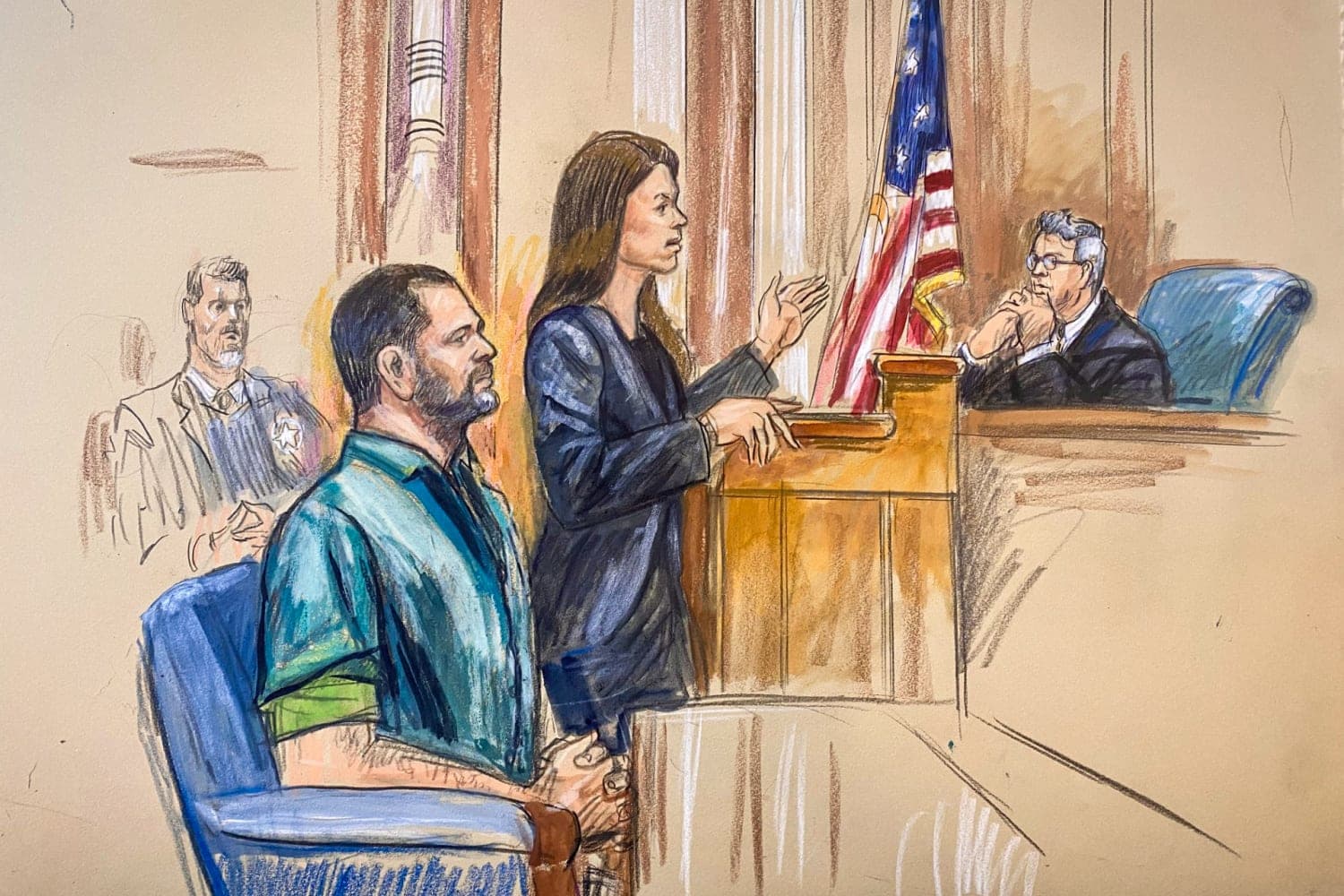
Federal judge blocks Alabama execution of death row inmate Jeffery Lee
A federal judge halted Alabama’s planned nitrogen gas execution of Jeffery Lee, deepening a legal fight over a method the state first used in 2024.

Jeffery Lee said he was “emotional” after learning that a federal judge blocked his execution, but his case was far from over. Alabama had planned to put Lee to death on June 11, 2026, for the 1998 killings of Jimmy Ellis and Elaine Thompson during a pawn shop robbery in Orrville, in Dallas County, Alabama.
Lee has spent 25 years on death row. At his trial, the jury voted 7-5 to recommend life imprisonment without parole, but the judge overrode that recommendation and imposed a death sentence in 2000 under Alabama’s judicial override system. That practice was later abolished on April 11, 2017, but the change was not retroactive, leaving Lee among the prisoners still exposed to death sentences handed down over jury objections.
The latest legal battle centered on Alabama’s nitrogen hypoxia procedure, the execution method the state first used in 2024. The process involves strapping a respirator to the prisoner’s face and replacing breathable air with pure nitrogen gas, causing death by oxygen deprivation. A federal district judge initially allowed the execution to proceed, then on June 9, 2026, blocked Alabama from using nitrogen gas in Lee’s case after concluding the method was unconstitutional.
Lee had asked for firing squad instead of nitrogen gas, underscoring how the state’s execution protocol has become a second front in the case. Alabama has appealed the ruling, setting up another round of review over whether the state can carry out the execution by a different method.
The dispute has renewed scrutiny of Alabama’s death-penalty system, especially the legacy of judicial override. Alabama used the practice more than any other state to impose death sentences after juries had voted for life, and nearly 20% of people on Alabama death row were sentenced that way. For advocates, Lee’s case shows how an outdated sentencing system and a newly adopted execution method can collide in ways that raise fresh constitutional questions even decades after a conviction.
This article was produced by Prism’s automated news system from verified source data, official records, and press releases, then run through automated quality and moderation checks before publishing. The system is built and supervised by the people who set the standards it runs under. Read our full AI policy.
Know something we missed? Have a correction or additional information?
Submit a Tip