Federal Judge Dismisses DOJ Lawsuit Targeting Colorado, Denver Sanctuary Laws
Judge dismisses DOJ's sanctuary lawsuit against Colorado and Denver, ruling the government cannot "dragoon" local officers into enforcing federal immigration law.
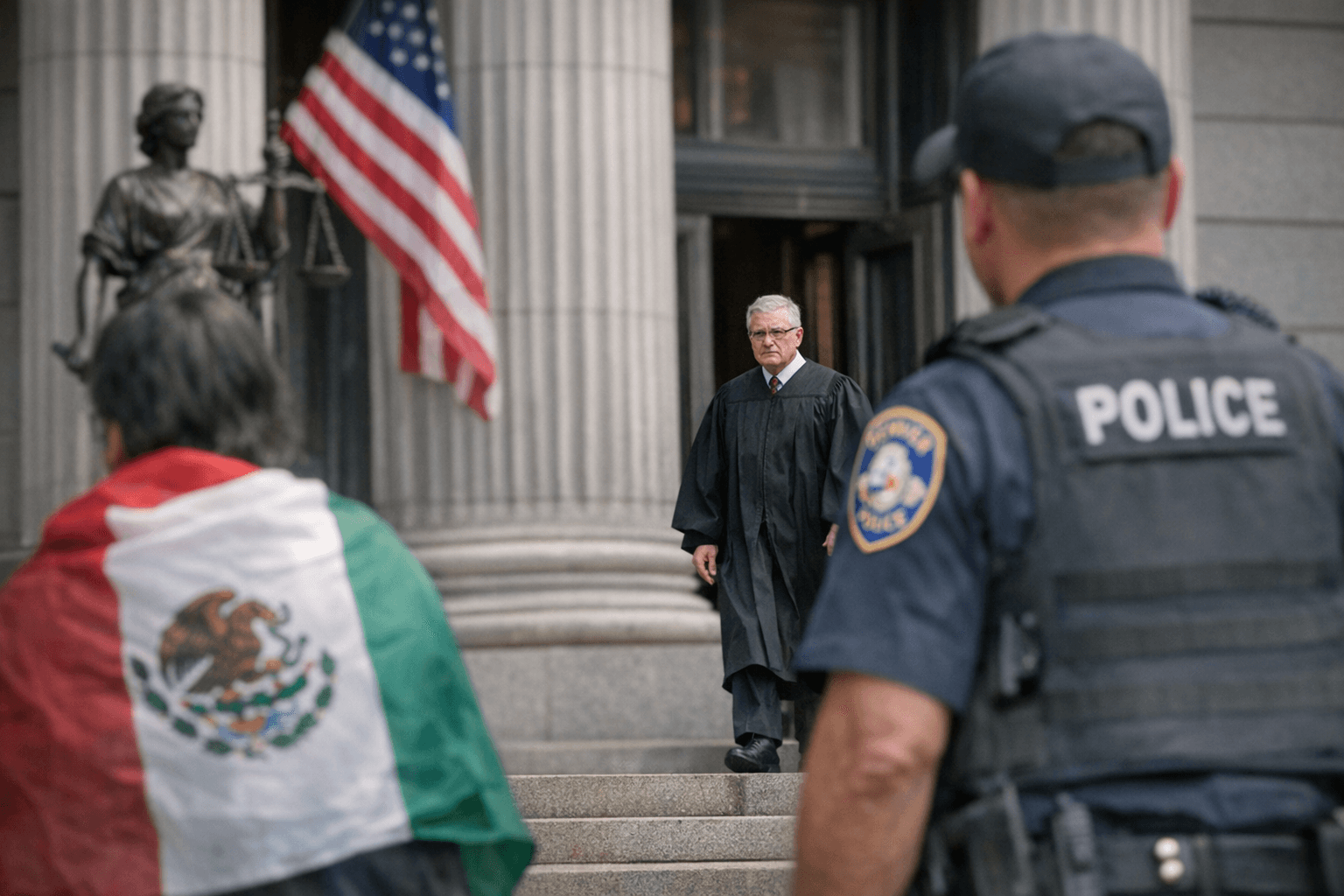
A federal judge handed Colorado and Denver a significant legal victory, dismissing the Justice Department's challenge to both jurisdictions' sanctuary policies and ruling that the federal government has no authority to conscript state and local officers into immigration enforcement.
U.S. District Judge Gordon P. Gallagher grounded his decision in a 1997 Supreme Court precedent that prohibits the federal government from "dragooning" state and local officials into carrying out federal regulatory programs. The ruling found that Colorado's four targeted state statutes and Denver's two municipal ordinances, which restrict local cooperation with Immigration and Customs Enforcement and shield immigrants' personal information from federal authorities, do not unlawfully obstruct federal objectives in a manner that gives the DOJ legal standing to sue.
Denver Mayor Mike Johnston welcomed the outcome. "Today's ruling makes clear that we cannot be required to use local resources to enforce federal policies," Johnston said in a public statement. The Department of Justice did not respond to requests for comment.
The lawsuit was part of a broader federal campaign targeting sanctuary policies across the country. Similar suits have been filed against Los Angeles, New York City, Minnesota and other jurisdictions. Federal prosecutors argued the local rules hampered national immigration enforcement and public-safety operations; Colorado and Denver officials countered that the measures protect the civil rights of immigrant communities and preserve scarce municipal resources.
Judge Gallagher rejected the DOJ's Supremacy Clause argument, finding that the state and local laws do not conflict with federal statute in a manner that triggers preemption. The Justice Department retains the right to appeal.
The ruling carries weight well beyond Colorado's borders. It may embolden other cities and states that have passed similar limits on ICE cooperation, and it is likely to be cited in pending litigation over the boundaries of federal authority and local autonomy. An appeal could push the question to higher federal courts, where any decision would carry national implications for how far Washington can reach into local law enforcement priorities.
This article was produced by Prism’s automated news system from verified source data, official records, and press releases, then run through automated quality and moderation checks before publishing. The system is built and supervised by the people who set the standards it runs under. Read our full AI policy.
Did this article answer your question?