Federal Judge Permanently Blocks Trump Order Cutting Funding to NPR and PBS
A federal judge permanently blocked Trump's order defunding NPR and PBS, ruling it unconstitutional viewpoint discrimination in a 62-page opinion.
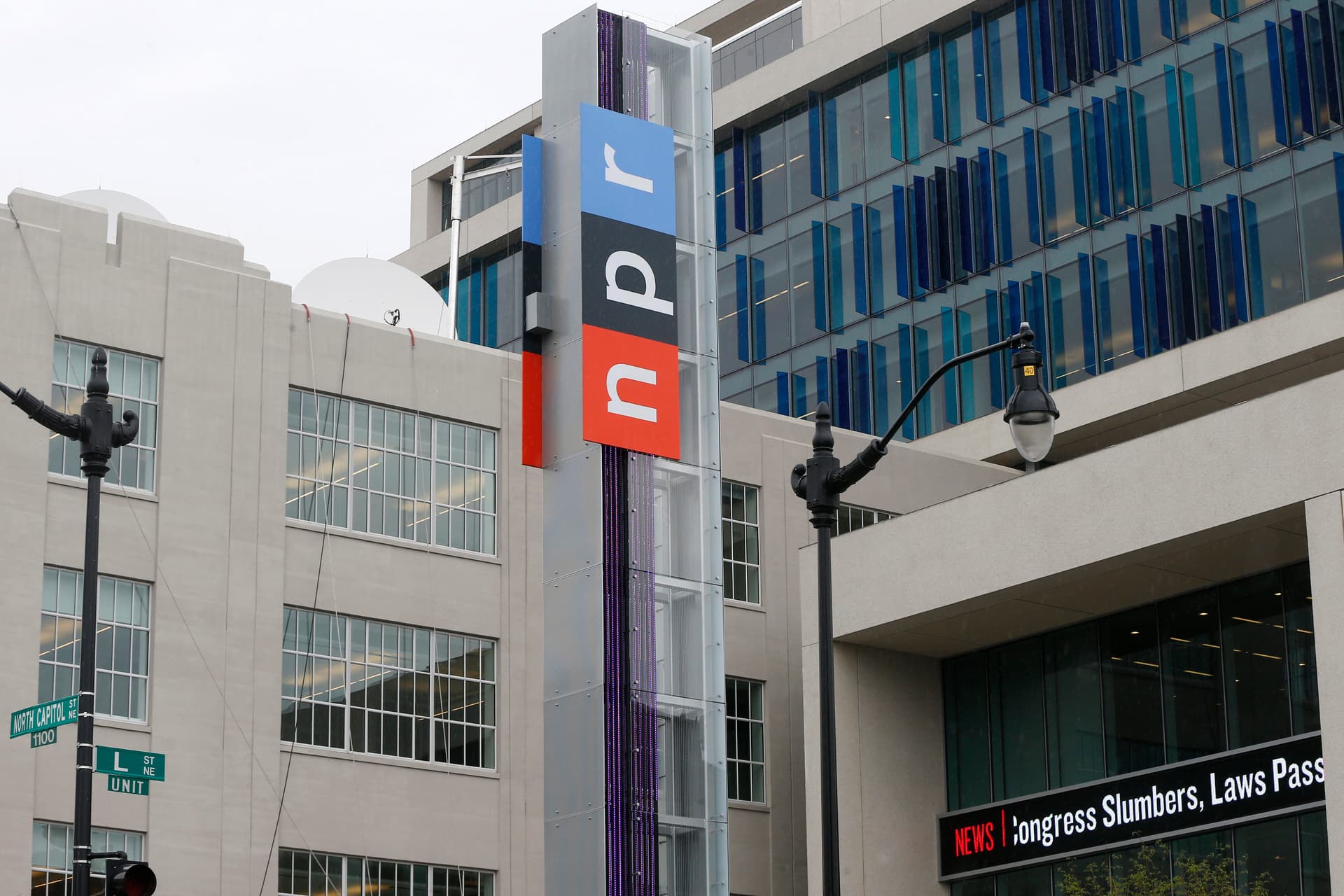
A federal judge permanently blocked the Trump administration from enforcing an executive order directing federal agencies to cut off funding to NPR and PBS, ruling in a sharply worded 62-page opinion that the directive constituted unconstitutional viewpoint discrimination and retaliation under the First Amendment.
U.S. District Judge Randolph Moss, an Obama appointee on the District Court for the District of Columbia, issued the permanent injunction Tuesday against Executive Order 14290, titled "Ending Taxpayer Subsidization of Biased Media," which Trump signed on May 1, 2025. The order directed all federal agencies to terminate direct and indirect funding to both broadcasters and separately required the Corporation for Public Broadcasting to cease its own direct funding to NPR and PBS.
In his opinion, Moss was unsparing: "The message is clear: NPR and PBS need not apply for any federal benefit because the President disapproves of their left wing coverage of the news." He found it "difficult to conceive of clearer evidence that a government action is targeted at viewpoints that the President does not like and seeks to squelch," citing a 2024 Supreme Court decision in his First Amendment analysis.
The Justice Department had argued the president acted within his authority to decide what speech the government funds. Moss rejected that reasoning, ruling that the executive order does not define government speech or ensure compliance with a federal program but instead punishes the outlets specifically for the content of their coverage. The government, Moss noted, "failed to cite a single case in which a court has ever upheld a statute or executive action that bars a particular person" from federal funding this way.
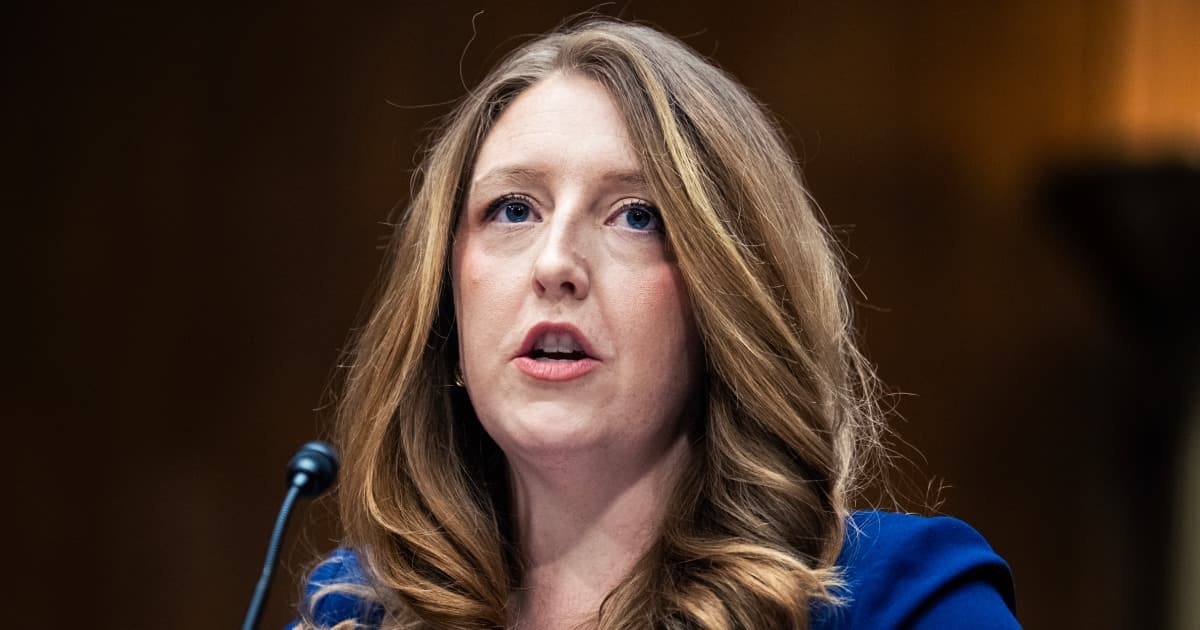
Katherine Maher, NPR's president and CEO, called the ruling "a decisive affirmation of the rights of a free and independent press." PBS CEO Paula Kerger described the executive order as "textbook unconstitutional viewpoint discrimination and retaliation." Theodore Boutrous, the lead attorney for both organizations and a partner at Gibson, Dunn & Crutcher, called it "a significant victory for the First Amendment and for freedom of the press."
The practical impact of Tuesday's ruling is constrained by damage already done on a separate congressional track. The Corporation for Public Broadcasting, established by Congress in 1967 and the primary conduit for federal funds to local stations, had been funded through September 30, 2027 when Trump signed his order. Congress subsequently rescinded that future funding, prompting CPB to announce in August 2025 it was taking steps toward closing. That congressional defunding was not a subject of this lawsuit.
The executive order itself had caused direct harm before Tuesday's ruling: in May 2025, the Department of Education scrapped $23 million in funding for educational television programs tied to the now-unlawful order.
The stakes fall most heavily on smaller and rural public media stations. NPR's 246 member institutions, operating more than 1,000 stations, receive on average 8% to 10% of their funds from CPB. PBS and its stations draw about 15% of revenues from CPB, while NPR itself receives roughly 1% of its budget directly from the federal government.
The Trump administration is widely expected to appeal. The ruling arrived 11 days after a separate federal judge ruled against the administration on another press-freedom matter, extending a pattern of judicial resistance to executive actions targeting the press.
Sources:
Know something we missed? Have a correction or additional information?
Submit a Tip