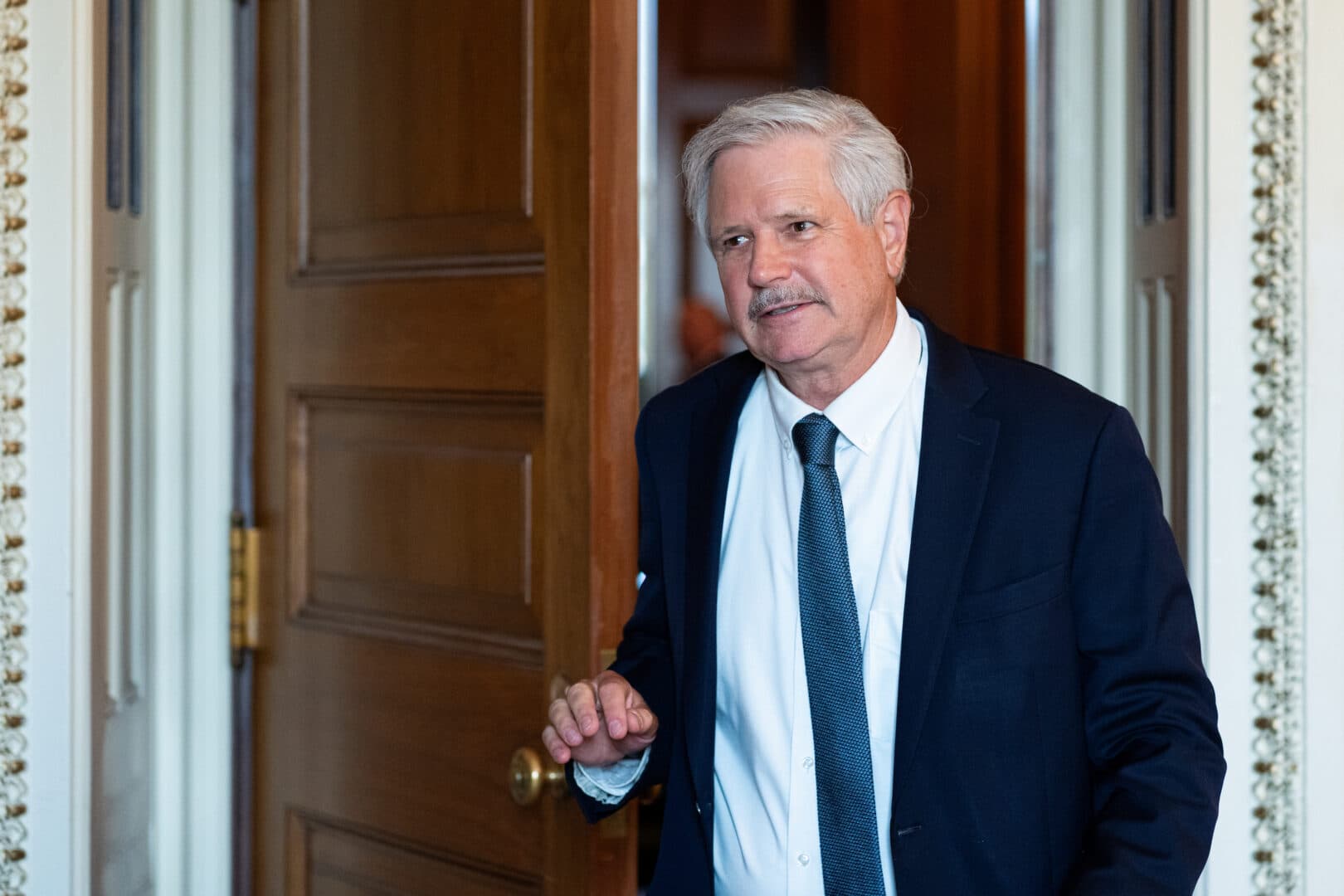
Judge Rules Trump Was White House Steward, Not Its Owner
A Republican-appointed federal judge halted Trump's $400M White House ballroom project, ruling he is the building's "steward," not its owner, and Congress must authorize construction.
U.S. District Judge Richard Leon, nominated to the bench by President George W. Bush, issued a blunt constitutional rebuke to President Donald Trump on Tuesday, ordering all work on a planned $400 million White House ballroom to halt until Congress explicitly authorizes the project.
"The President of the United States is the steward of the White House for future generations of First Families. He is not, however, the owner!" Leon wrote in the ruling.
Leon's order said construction "must stop" because no law "comes close" to giving Trump authority to build the structure without congressional approval. He granted a preliminary injunction in favor of the National Trust for Historic Preservation, which brought the legal challenge.
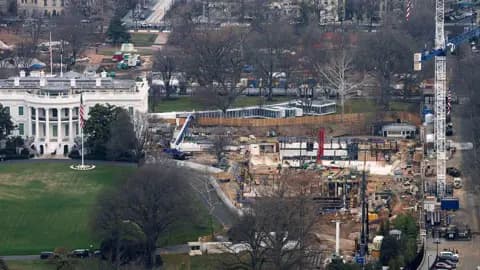
Trump began demolishing the East Wing in October to make room for the nearly 90,000-square-foot space, intended to host state dinners, galas, and other events, with a capacity of up to 999 people. The project is slated for completion by 2028 and is primarily funded through private donations.
The case was brought by the National Trust for Historic Preservation, the nation's foremost historic preservation organization, which argued Trump acted unlawfully by pushing ahead without congressional approval. The Trust sued the administration in December.
Leon, appointed in 2002, is well known for his use of exclamation marks; he deployed 18 of them in the ballroom ruling. In his 35-page opinion, he made clear that Congress retains both the constitutional authority over federal property and oversight over government spending. He wrote that Trump "may at any time go to Congress to obtain express authority to construct a ballroom and to do so with private funds."
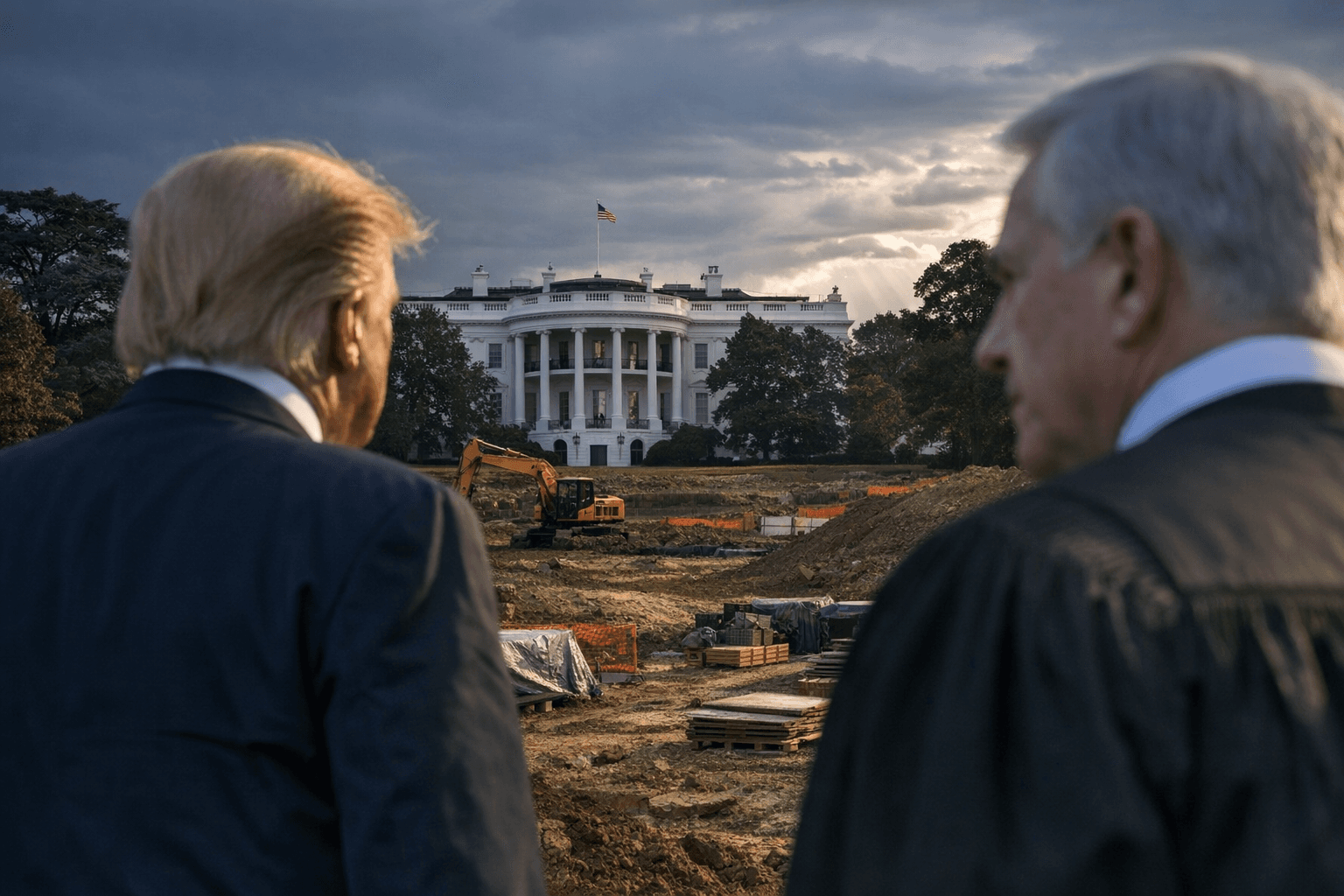
The ruling came days before a key commission stacked with Trump loyalists was expected to green-light the plans, and as the White House had repeatedly said above-grade construction could begin as soon as April. Trump had moved forward with demolition before seeking approvals from the National Capital Planning Commission and the Commission of Fine Arts, two federal panels that review major architectural changes in Washington, both of which he filled with political allies.
Trump responded to the ruling in a social media post, calling the National Trust "a Radical Left Group of Lunatics" and dismissing the lawsuit, saying it "Doesn't make much sense, does it?" He did not address whether he planned to appeal.
Leon suspended enforcement of his order for 14 days, acknowledging that the case "raises novel and weighty issues" and that halting an ongoing construction project "may raise logistical issues." He also recognized that the administration is likely to appeal. Any construction necessary to ensure the safety and security of the White House is exempt from the scope of the injunction.
The ruling draws a clear line between presidential stewardship of national assets and ownership, a distinction that now places the ballroom's future squarely in the hands of a Congress that has so far been silent on whether it is willing to sanction Trump's most ambitious renovation of Pennsylvania Avenue.
Sources:
Know something we missed? Have a correction or additional information?
Submit a Tip