Federal judge questions whether Trump’s IRS lawsuit belongs in federal court
A Miami judge said Trump may be on both sides of his own $10 billion IRS suit, raising a question that could sink the case: is there any real adversary?
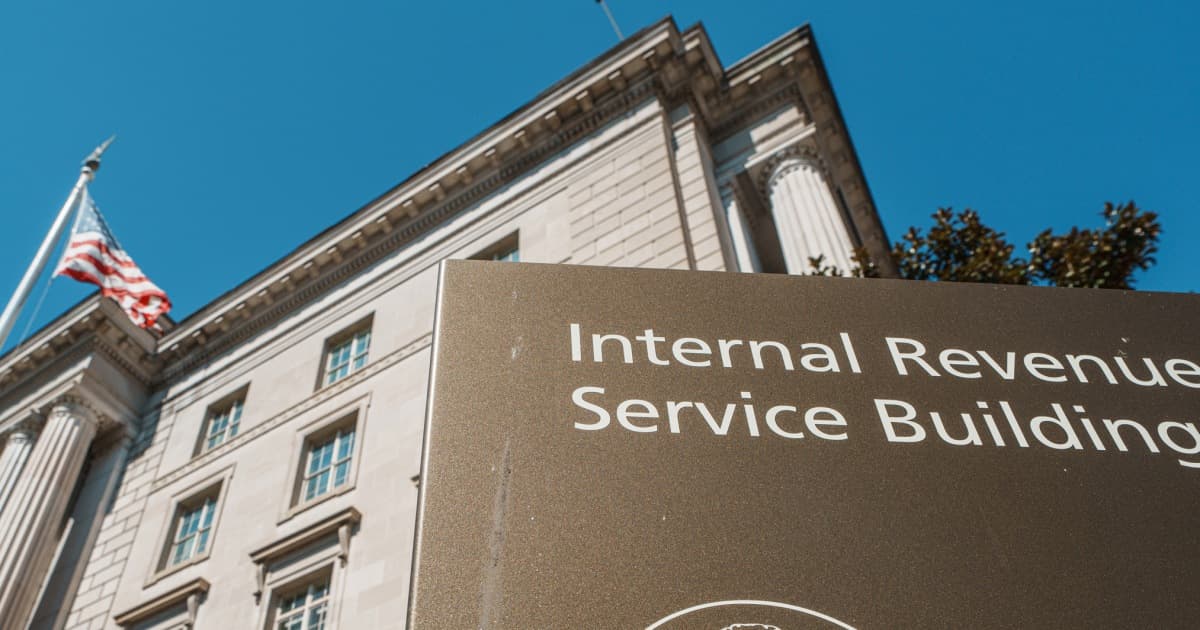
Federal Judge Kathleen Williams put President Donald Trump’s $10 billion IRS lawsuit under a constitutional microscope, ordering Trump’s private lawyers and Justice Department attorneys to explain by May 20 why the case belongs in federal court. She set a hearing for May 27 in Miami after warning that the suit may not satisfy Article III’s case-or-controversy requirement if Trump is effectively controlling both sides of the dispute.
Trump, along with Eric Trump, Donald Trump Jr. and the Trump Organization, filed the case in Miami federal court in January, accusing the IRS and Treasury Department of failing to stop the unauthorized disclosure of tax information tied to a former IRS contractor, Charles Littlejohn. CBS News reported that the suit was filed in Trump’s personal capacity and seeks at least $10 billion in damages over disclosures that allegedly reached news outlets in 2020; Littlejohn was sentenced to five years in prison in 2024.
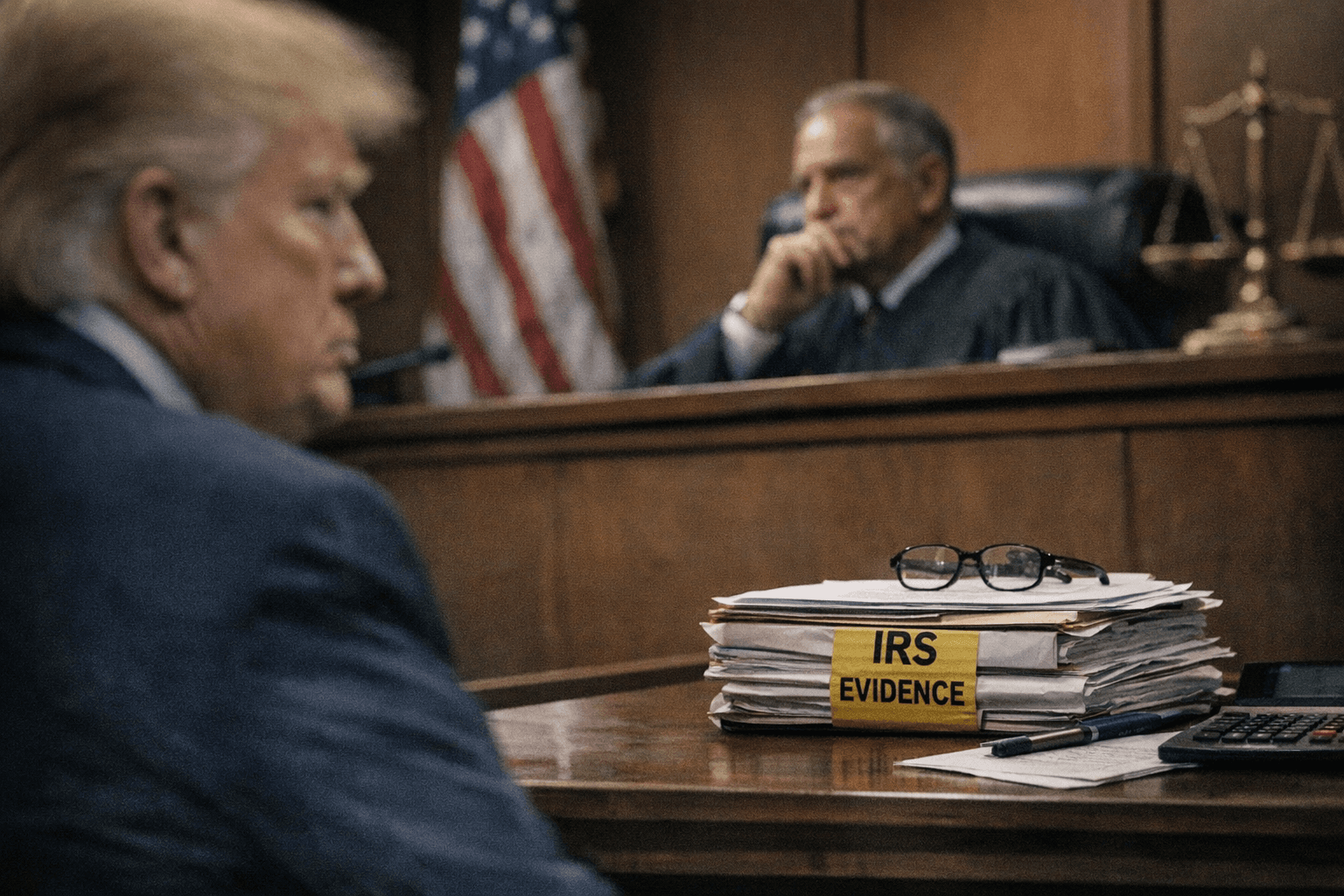
Williams said the court needed a genuine adversary before it could proceed. “Consequently, if there is no adverseness, there is no case or controversy,” she wrote in Friday’s order, adding that Trump’s named adversaries are entities whose decisions are subject to his direction. She also pointed to Trump’s broader effort to tighten presidential control over the executive branch, including his order limiting government lawyers from advancing legal positions that conflict with his own.
The unusual structure of the case has already fueled settlement talks. Last week, lawyers for Trump and the IRS asked for a 90-day pause so the parties could try to resolve the dispute and avoid protracted litigation, a move Reuters said would give Justice Department lawyers more time to work through the conflict-of-interest problem created by a president suing his own government. Trump has publicly acknowledged the oddity of the arrangement, saying after the suit was filed, “It’s very interesting,” and separately remarking about another claim, “It sort of looks bad, ‘I’m suing myself,’ right?”
This article was produced by Prism’s automated news system from verified source data, official records, and press releases, then run through automated quality and moderation checks before publishing. The system is built and supervised by the people who set the standards it runs under. Read our full AI policy.
Did this article answer your question?

