Senate Democrats challenge Trump’s war powers over Cuba threat
Senate Democrats are forcing a vote on whether Trump can strike Cuba without Congress, a fresh test of war powers after prior clashes over Venezuela.
The fight over Cuba is turning into another test of how far Congress will let President Donald Trump push unilateral military power. Senate Democrats are forcing a vote on a resolution that would bar an attack on the island without congressional authorization, putting the constitutional balance between the White House and Capitol Hill at the center of a widening foreign policy clash.
Tim Kaine, Adam Schiff and Ruben Gallego introduced the Cuba War Powers Resolution on March 13, 2026, and Senate aides expected a floor vote as soon as next week. The measure is privileged under Senate rules, which means Republican leaders must let it come up after the waiting period. If it passes, it would block Trump from launching hostilities against Cuba unless Congress first approves them.
Democrats say the issue is urgent because Trump has already shown a willingness to use force without a new vote from lawmakers. They point to strikes on boats off Venezuela, operations in Caracas and Iran, and a broader pattern of military action that they say has cut Congress out of decisions the Constitution reserves to the legislative branch. Schiff said when the resolution was introduced that Trump’s saber rattling toward Cuba made clear where his sights were next.
The practical stakes are straightforward. A yes vote would not end every avenue for U.S. pressure on Cuba, but it would draw a line against a new attack without explicit authorization. A no vote, or a stalled effort, would leave Trump with more room to argue that limited military action falls within commander-in-chief authority, even as lawmakers warn that the War Powers framework is being hollowed out.
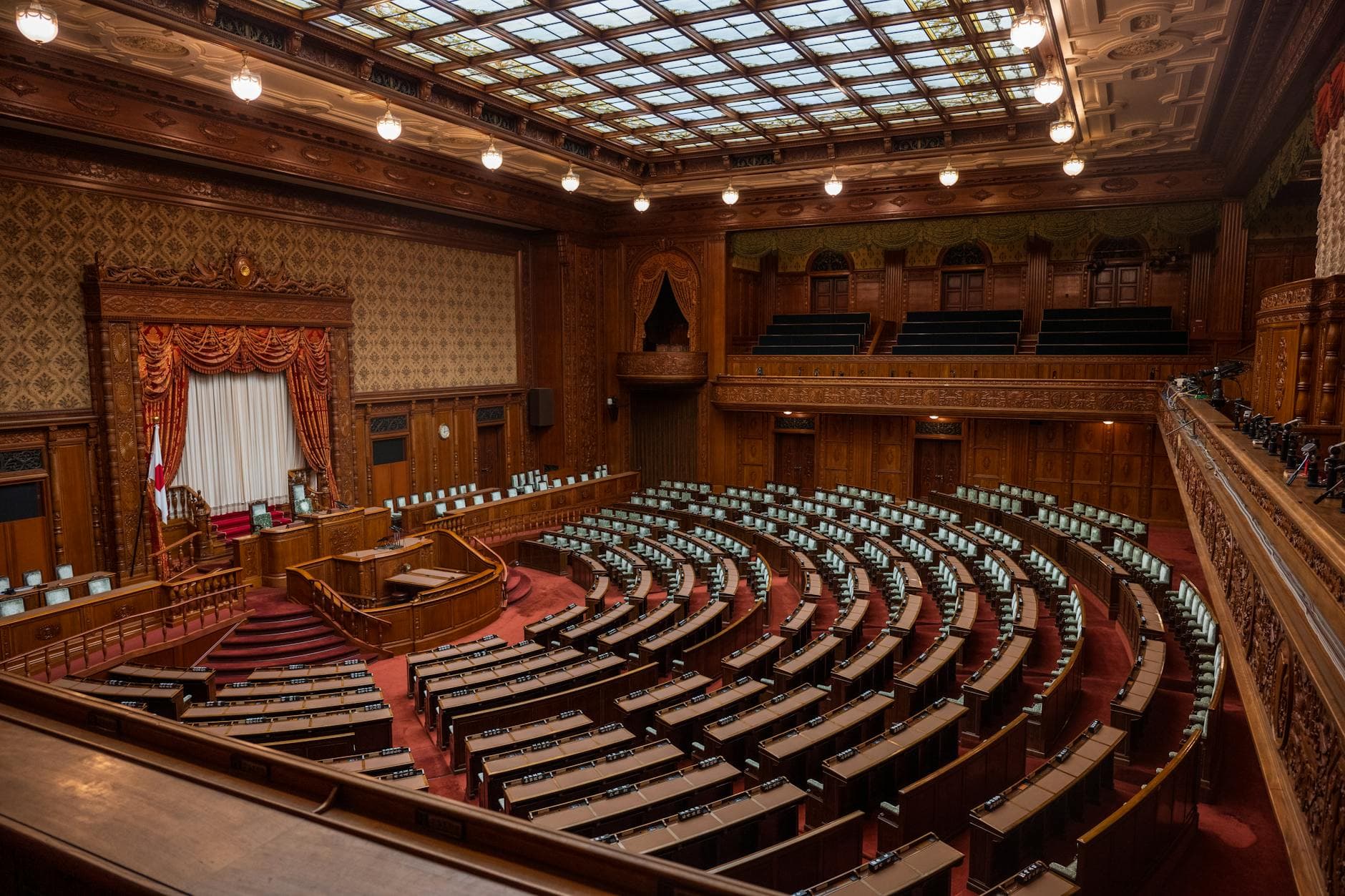
The measure also lands in a long-running institutional fight dating to the War Powers Resolution of 1973, enacted over President Richard Nixon’s veto on November 7, 1973. That law was meant to ensure the “collective judgment” of Congress and the president before U.S. forces are sent into hostilities, and it requires presidential consultation and reporting within 48 hours of deployments into hostilities or imminent hostilities.
The Cuba vote follows a similar war-powers clash over Venezuela, when Senate Democrats forced a vote last October on Trump’s strikes on alleged drug boats off the coast. The House now has its own companion measure, H.J.Res. 153, introduced by Nydia Velázquez on March 24, 2026, to direct the removal of U.S. forces from hostilities within or against Cuba that Congress has not authorized.
The dispute has widened beyond the Caribbean battlefield itself. Trump has publicly floated a “friendly takeover” of Cuba, while Cuban officials said in March they were prepared for the possibility of U.S. military engagement. At the same time, U.S. pressure, including an oil blockade, has deepened Cuba’s economic crisis and helped trigger blackouts. However the Senate vote turns out, it will show whether Congress can still act as a meaningful check on presidential war-making or whether that power now exists mostly on paper.
This article was produced by Prism’s automated news system from verified source data, official records, and press releases, then run through automated quality and moderation checks before publishing. The system is built and supervised by the people who set the standards it runs under. Read our full AI policy.
Did this article answer your question?

