Federal judge rejects Justice Department bid for Rhode Island voter data
A federal judge blocked the Justice Department from forcing Rhode Island to turn over unredacted voter data on nearly 750,000 registrants, sharpening the fight over election records and privacy.
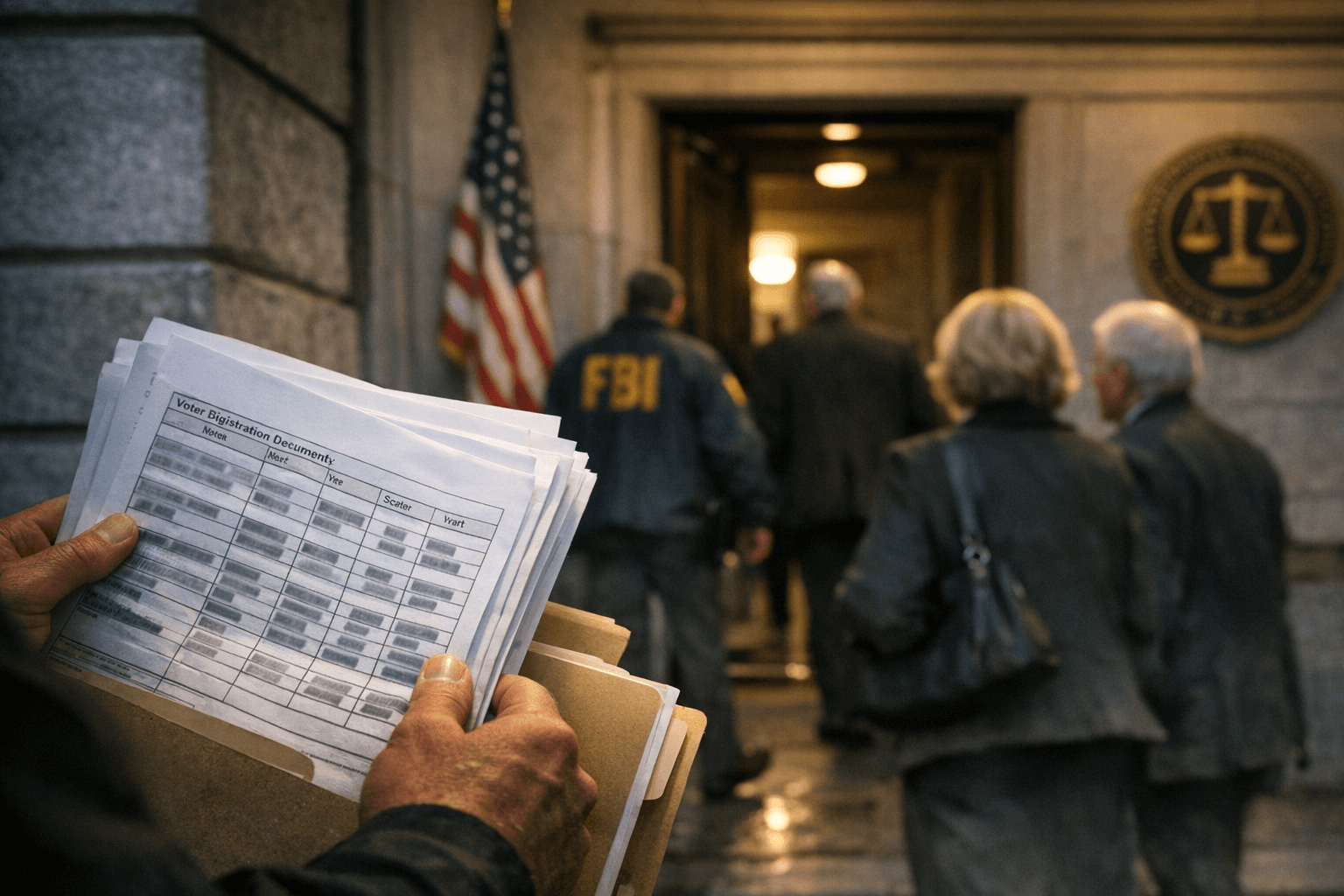
A federal judge in Providence has blocked the Justice Department from prying open Rhode Island’s unredacted voter file, a ruling that shields sensitive personal data tied to nearly 750,000 registered voters and adds to a widening string of federal losses.
U.S. District Judge Mary S. McElroy denied the government’s motion to compel production and granted dismissal motions filed by Secretary of State Gregg Amore and outside intervenors in United States v. Amore, No. 25-cv-00639-MSM-PAS. In her written order, McElroy said the Justice Department had not shown Rhode Island was out of compliance with voter-list maintenance laws and lacked authority under the National Voter Registration Act and the Help America Vote Act to demand the kind of unredacted records it sought.
The dispute began after the department sent Rhode Island a request on September 8, 2025, for a statewide voter-registration list that included fields the state kept private, such as the last four digits of Social Security numbers and driver’s license numbers. Rhode Island offered to provide publicly available registration data, but refused to turn over the sensitive identifiers. McElroy called the request “unprecedented” and said the government had not supplied the factual basis needed to justify its demand.
The ruling landed after a nearly three-hour hearing on March 26, 2026, when Justice Department attorney Eric Neff told the court the data would be shared with the Department of Homeland Security to check citizenship status. Neff said the Justice Department and DHS already had a use agreement in place for the information, a detail that sharpened the dispute over whether the federal government was using election-law enforcement as a vehicle to collect personally identifiable voter data.
The decision makes Rhode Island the fifth state to defeat the Justice Department in similar litigation, following losses in California, Massachusetts, Michigan and Oregon. The broader campaign has reached nearly every state and Washington, D.C., with a Brennan Center tracker saying as of April 9, 2026, the department had demanded election-related records from nearly every state and sued 30 states and Washington, D.C., over noncompliance.
After the ruling, Amore said the Justice Department had no legal right to or need for personally identifiable information in the voter file. Attorney General Peter Neronha said Rhode Island had successfully defended itself against a baseless complaint. Common Cause Rhode Island and the ACLU of Rhode Island, which intervened on behalf of voters, cast the ruling as a victory for voter privacy.
The practical effect reaches beyond Rhode Island. McElroy’s order narrows how far the federal government can go when it seeks state voter data, especially when the request reaches into sensitive personal records rather than routine list-maintenance information. For other states facing similar demands, the message from Providence is clear: federal oversight has limits, and privacy protections still carry weight in the courtroom.
This article was produced by Prism’s automated news system from verified source data, official records, and press releases, then run through automated quality and moderation checks before publishing. The system is built and supervised by the people who set the standards it runs under. Read our full AI policy.
Did this article answer your question?

