Federal Judge Strikes Down Press Rules in New York Times Case
A federal judge ruled the Pentagon's revised press rules still unconstitutional, finding the Defense Department flouted his March order in a case brought by the Times.

U.S. District Judge Paul Friedman ruled Thursday that the Pentagon violated his own court order by replacing an unconstitutional press policy with one that was, in critical respects, even more restrictive, dealing a second courtroom defeat in three weeks to Defense Secretary Pete Hegseth over press access to the building.
Friedman blocked the Pentagon's latest bid to limit press access in a scathing ruling, warning that "suppression of political speech is the mark of an autocracy, not a democracy." An order accompanying the opinion compelled the Pentagon to reinstate press credentials for Times national security reporter Julian E. Barnes and six other Times journalists who had been restricted from the building.
The case traces to a Pentagon press policy unveiled last September that required media organizations to pledge not to solicit unauthorized information about the military or national security. The Times and Barnes sued the Pentagon, Hegseth, and chief Pentagon spokesman Sean Parnell in December, arguing the rules violated the First Amendment. On March 20, Friedman sided with the Times, ruling that the policy violated the First Amendment and granted the government overly broad authority to control access to the press corps.
Rather than comply, the Pentagon issued a revised policy that Friedman found more restrictive still. The Pentagon closed the Correspondents' Corridor, the long-standing journalist workspaces inside the building, and announced plans to relocate reporters to an annex facility outside the Pentagon. All journalists would require an escort when entering the building, and access would be limited to events such as press conferences. Friedman found the new prohibition on reporters "encouraging, inducing, or requesting" disclosure of non-public information was still unconstitutionally vague.
The practical absurdities of the revised policy drew pointed commentary from the bench. In a court filing, Barnes noted that Pentagon staff told him and his colleagues their new credentials would give access to a press area in the Pentagon library, but the only way to reach it was through a corridor they were barred from using or a Pentagon shuttle bus journalists were not permitted to ride. Friedman's response from the bench: "How weird is that? Is it Catch-22? Is it Kafka? What's going on here?"
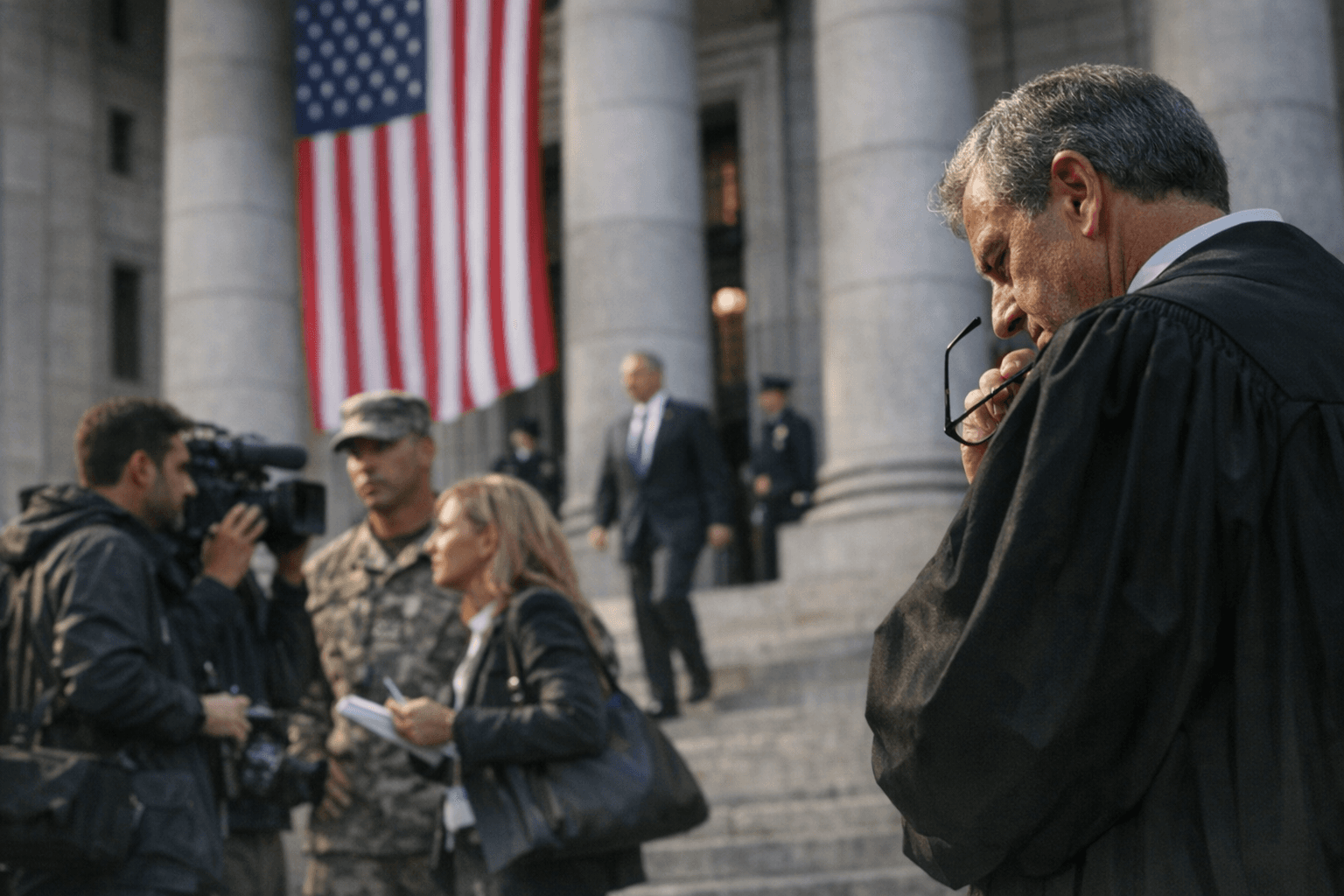
Friedman wrote that the case is "really about the attempt by the Secretary of Defense to dictate the information received by the American people, to control the message so that the public hears and sees only what the Secretary and the Trump Administration want them to hear and see. The Constitution demands better. The American public demands better."
Times attorney Ted Boutrous said in a statement that Friedman's decision "powerfully vindicates both the court's authority and the First Amendment's protections of independent journalism." The Freedom of the Press Foundation called on Friedman to go further and consider punitive action against the administration, including attorney disciplinary referrals, sanctions, or contempt of court fines.
Government lawyers maintained throughout the proceedings that the Pentagon's revised policy fully complied with Friedman's directives. Pentagon spokesperson Sean Parnell has said the administration will appeal the March 20 decision. The original press policies had already reshaped the Pentagon press corps, giving way to a largely right-wing lineup of outlets including One America News, the Federalist, and the Epoch Times. Since then, Reuters and the Associated Press sought reinstatement of their credentials following Friedman's March ruling.
The ruling signals that courts are willing to scrutinize "security" justifications for press restrictions with precision, looking past the label to what the rules actually prohibit. Each new policy iteration the Pentagon crafted was tested against the same constitutional standard, and each failed. With an appeal still pending and no compliant policy yet in place, the access fight over one of the government's most consequential buildings is far from settled.
This article was produced by Prism’s automated news system from verified source data, official records, and press releases, then run through automated quality and moderation checks before publishing. The system is built and supervised by the people who set the standards it runs under. Read our full AI policy.
Did this article answer your question?

