Federal judge tosses Justice Department misconduct complaint against Boasberg
Chief Judge Jeffrey Sutton dismissed the DOJ complaint against Judge James Boasberg, citing missing evidence and concluding alleged remarks would not breach ethics.
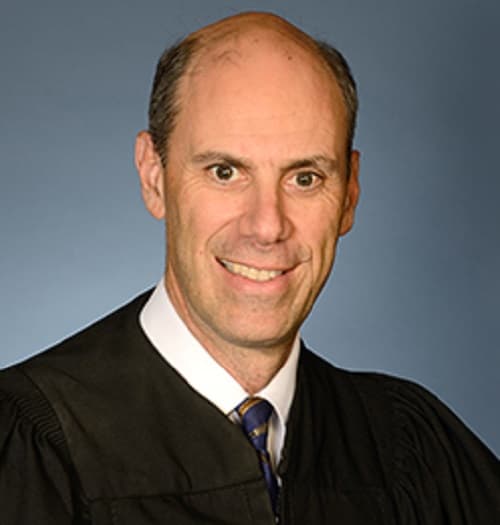
Chief Judge Jeffrey S. Sutton of the U.S. Court of Appeals for the Sixth Circuit dismissed a Justice Department judicial misconduct complaint against U.S. District Judge James E. Boasberg in an order dated Dec. 19 that only recently came to light.
The complaint accused Boasberg of making remarks at a closed Judicial Conference in March 2025 telling Chief Justice John Roberts and other judges that the Trump administration would disregard federal court rulings and risk a “constitutional crisis.” The Justice Department linked the allegation to Boasberg’s subsequent order, issued days later, blocking deportation flights that used wartime authority drawn from an 18th-century statute; court materials name that law as the Alien Enemies Act and describe the flights as removing several Venezuelans to a detention facility characterized in filings as a notorious prison in El Salvador.
The misconduct charge was first filed with Judge Sri Srinivasan of the U.S. Court of Appeals for the D.C. Circuit. Because the D.C. Circuit was handling related appeals in the underlying deportation litigation, Srinivasan asked Chief Justice Roberts to transfer the complaint. Roberts sent it to the Sixth Circuit judicial council, where Sutton reviewed it and ordered dismissal.
Sutton’s ruling rested on two principal findings. Procedurally, the judge said the Justice Department failed to supply a listed attachment that the complaint referenced as proof or context for the alleged remarks at the closed-door meeting. On the merits, Sutton found that even if the statements occurred, they would not be “so far afield” from subjects routinely discussed at a Judicial Conference and therefore would not violate the judicial code of conduct. In his order Sutton criticized the evidentiary record, writing, “A recycling of unadorned allegations with no reference to a source does not corroborate them. And a repetition of uncorroborated statements rarely supplies a basis for a valid misconduct complaint.”
The complaint also relied in part on comments attributed by the conservative outlet The Federalist to Boasberg at the conference. Attorney General Pam Bondi publicly announced the Justice Department’s move in July, and the department did not respond to requests for comment. Boasberg, an appointee of former President Barack Obama, declined to comment.
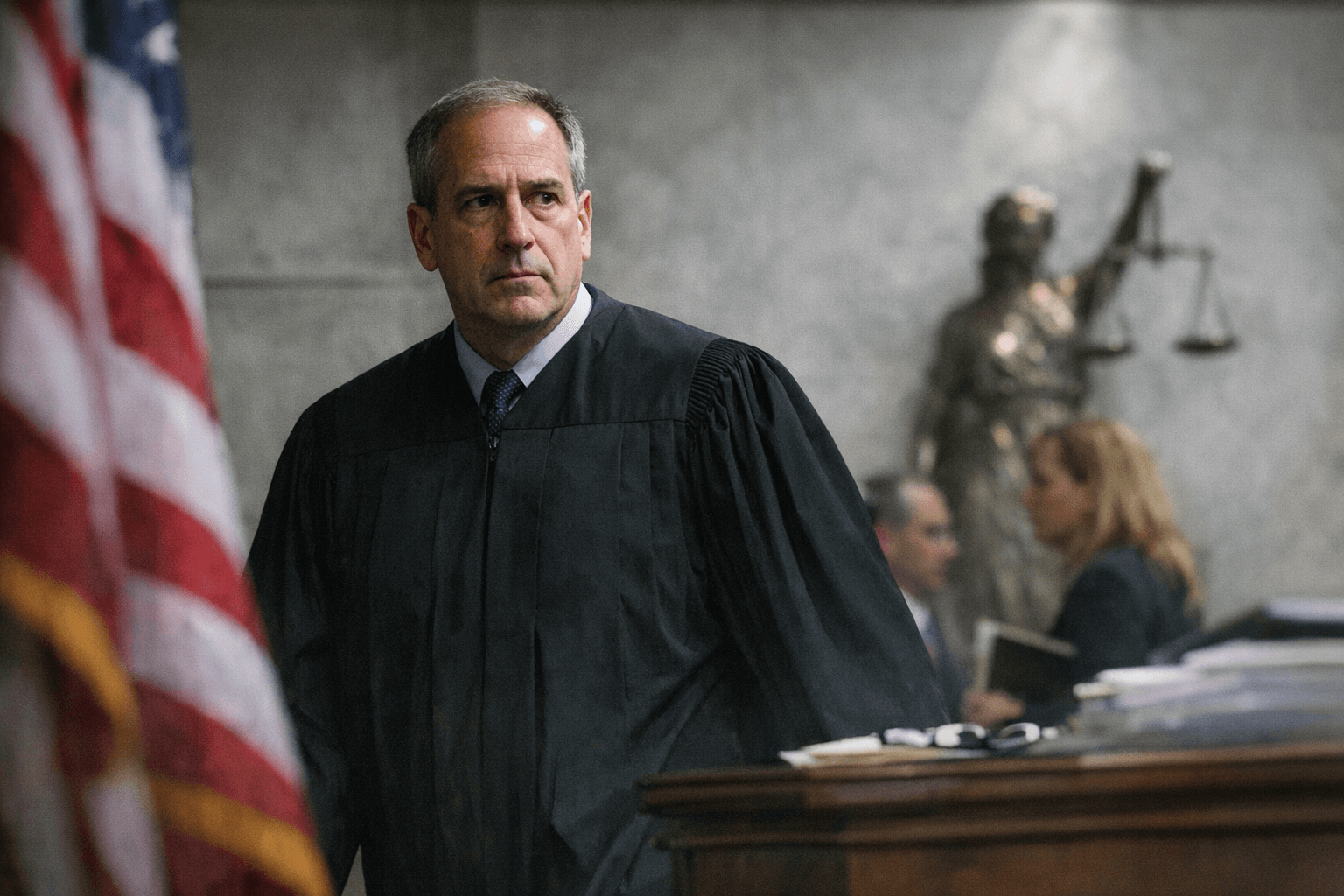
The decision resolves the immediate misconduct proceeding before the Sixth Circuit but leaves unanswered questions that bear on public trust and the practical consequences of high-stakes litigation. The underlying deportation order and the use of an obscure wartime law reached directly into the lives of migrants and their families, raising humanitarian and public health concerns about detention conditions and the medical and psychological consequences of forced removal to facilities long criticized by rights groups. Judicial interventions in such enforcement actions are often the last institutional safeguard for people facing detention, exile, or harsh conditions abroad.
The case also highlights tensions between judicial independence and political pressure. Sutton’s opinion invoked broader judicial concerns about threats to the courts and cited a year-end report from the chief justice discussing risks to judicial independence and security. At the same time, a White House official told reporters, “Left-wing, activist judges have gone totally rogue. They’re undermining the rule of law in service of their own radical agenda. It needs to stop. And the White House fully embraces impeachment efforts,” reflecting the partisan stakes that have surrounded the matter.
With the dismissal, the misconduct path outlined in the Sixth Circuit order has closed for now, but the missing evidentiary attachment, the closed-door setting of the conference, and whether the Justice Department will seek to supplement or refile its allegations remain open. For immigrants, lawyers and communities who rely on neutral courts to check executive power, those unresolved questions may have lasting consequences for access to relief and for public confidence in the judiciary.
This article was produced by Prism’s automated news system from verified source data, official records, and press releases, then run through automated quality and moderation checks before publishing. The system is built and supervised by the people who set the standards it runs under. Read our full AI policy.
Did this article answer your question?