Federal judge voids immigration board ruling enabling mass detention
Judge Sunshine Sykes vacated a BIA decision that allowed mass mandatory detention, restoring bond access for thousands of migrants and challenging enforcement practice nationwide.
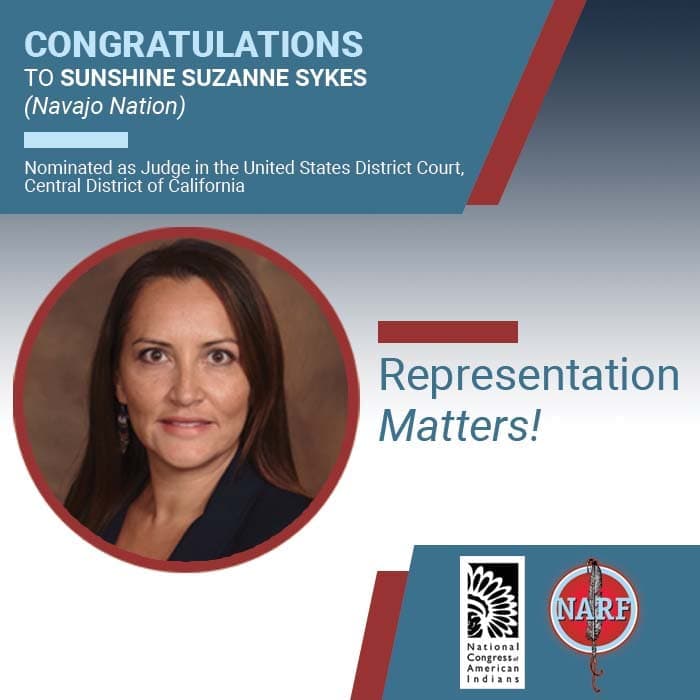
U.S. District Judge Sunshine Sykes on Feb. 18 vacated a Board of Immigration Appeals decision the federal government had used to carry out what courts and advocates describe as mass mandatory detention, a ruling that could reopen bond hearings for thousands of migrants arrested in nationwide enforcement operations.
Sykes, who was appointed by President Joe Biden, said the administration had failed to comply with an earlier order she issued in December that declared a Department of Homeland Security policy unlawful for denying detainees the chance to seek release on bond. After concluding that more relief was necessary, she struck down the BIA decision at issue and excoriated the government for continuing practices she found unlawful. She called the refusal to provide bond hearings “shameless,” and said the government sought to “continue its campaign of illegal action.” Criticizing the government’s targeting language, Sykes wrote, “Maybe that phrase merely mirrors the severity and ill-natured conduct by the government,” in response to repeated characterizations of enforcement targets as the “worst of the worst.”
The vacatur came in a nationwide class action that covers migrants arrested across the United States. The BIA decision had been interpreted by the administration to permit detention without routine access to bond hearings, a practice that civil-rights groups say subjected thousands of people to mandatory incarceration during recent immigration crackdowns. Hundreds of other judges around the country have previously found the policy unlawful and ordered detainees freed or given bond hearings; Sykes’s order is the most sweeping federal relief reported to date.
Administrative friction inside the immigration court system was a central factor in Sykes’s decision. Chief Immigration Judge Teresa Riley issued guidance instructing immigration judges that they were not bound by Sykes’s December ruling and that they should continue to follow the BIA decision. Immigration judges are employees of the Justice Department, and Riley’s direction prompted Sykes to conclude that the prior declaration of illegality was being effectively undermined by internal agency guidance.

The ruling has immediate public-health and social equity implications. Detention multiplies risks of infectious disease transmission, disrupts ongoing medical care, and exacerbates mental-health distress among people held in crowded facilities. Community health providers and immigrant-rights advocates warn that prolonged detention separates people from family and support networks, damages livelihoods, and concentrates the burden of enforcement in communities already facing barriers to care and economic stability. Restoring access to bond hearings offers a path to reduce unnecessary incarceration and its downstream health harms while preserving public-safety processes.
Practically, the decision places enforcement agencies and immigration courts at a crossroads. It raises questions about how quickly immigration judges will resume routine bond hearings, how many people will be eligible for immediate review, and whether the government will seek emergency appeals. The ruling also highlights the tension between centralized BIA precedent and district-court authority acting through class-wide remedies.
For migrants detained now, the ruling could change whether they remain in custody while their cases proceed. For communities and public-health systems, the decision could reduce the strain that large detention cohorts impose on local clinics and hospitals. For policymakers, the case underscores how administrative directives and court supervision intersect to shape both enforcement and the everyday health and rights of immigrant populations.
This article was produced by Prism’s automated news system from verified source data, official records, and press releases, then run through automated quality and moderation checks before publishing. The system is built and supervised by the people who set the standards it runs under. Read our full AI policy.
Did this article answer your question?