Federal Judges Move to Block Parole Termination and $10 Billion Freeze
Two federal judges on Jan. 9 intervened to halt separate Trump administration actions that would affect roughly 10,000–12,000 immigrants and more than $10 billion in federal aid to five states. The orders preserve immediate cash flows and protections while raising legal and economic stakes for families, child-care providers and state budgets.
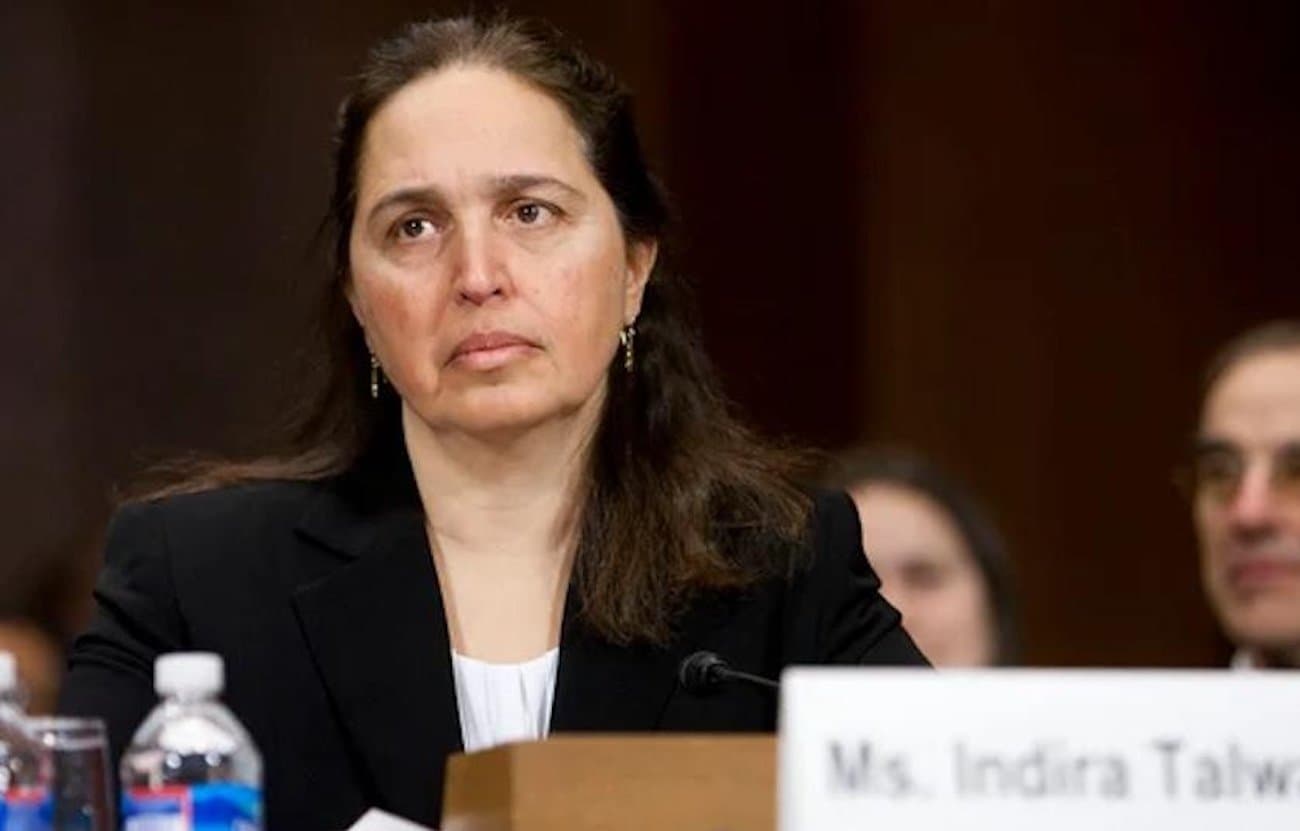
On Jan. 9, two federal courts issued emergency orders that temporarily checked major Trump administration actions affecting immigration and state aid. In Boston, U.S. District Judge Indira Talwani said she plans to issue a temporary restraining order to block the administration’s decision to terminate family reunification parole programs that reportedly protect about 10,000–12,000 people. In Manhattan, U.S. District Judge Arun Subramanian issued a temporary restraining order preventing the Department of Health and Human Services from withholding more than $10 billion in federal child-care and family-assistance funds to five Democratic-led states while litigation proceeds.
The Massachusetts action will keep in place parole protections for thousands of family members whose status is tied to reunification programs, though the available summary does not name the specific program authorities or legal claims. The effect is immediate: beneficiaries who risked losing parole-based protections now retain whatever access the programs conferred pending Talwani’s formal order.
The HHS freeze, announced to the five states on Jan. 6 and challenged by California, Colorado, Illinois, Minnesota and New York on Jan. 8, targeted multiple funding streams. Reporting indicates the freeze encompassed more than $7 billion in Temporary Assistance for Needy Families funds, about $2.4 billion in Child Care and Development Fund dollars and roughly $870 million in Social Services Block Grant allocations, for a total exceeding $10 billion. Subramanian’s TRO preserves those payments for at least two weeks to allow for briefing and argument; his order did not decide the ultimate legality of the freeze.
Administration officials said the freeze was prompted by fraud concerns and alleged improper use by ineligible noncitizens, but public accounts suggest the administration did not attach detailed evidence to its notice to the states. The HHS action reportedly accompanied demands for large volumes of administrative data from state agencies, and news coverage says federal officials announced a new Justice Department anti-fraud task force and an assistant attorney general role to lead related probes.
Economic and social impacts drove the urgency of the states’ filings. State lawyers argued that withholding the funds would immediately deprive low-income families of child-care assistance, threaten providers that operate on thin margins and could force program cutbacks. For child-care providers and local labor markets, interruptions in subsidy flows can mean shuttered programs, layoffs and reduced capacity, which in turn suppress parents’ ability to work. On a macro level, disruptions to child-care availability have measurable effects on labor force participation rates, particularly among women, and thus on near-term employment and output.
The twin court actions reflect a broader trend of rapid litigation over executive administrative measures and of judges acting to preserve the status quo while legal disputes proceed. For the administration, these rulings complicate enforcement strategies that rely on administrative notices and funding levers; for states and beneficiaries, they offer a temporary shield against sudden policy changes. The next legal milestones include Talwani’s forthcoming TRO text and Subramanian’s scheduling of further briefing, after which the parties are likely to seek preliminary injunctions and expedited appeals.
This article was produced by Prism’s automated news system from verified source data, official records, and press releases, then run through automated quality and moderation checks before publishing. The system is built and supervised by the people who set the standards it runs under. Read our full AI policy.
Did this article answer your question?