Federal labor agencies issue new guidance reshaping union, joint-employer enforcement
NLRB and DOL issued new guidance and proposed rules in late February through March 2026 that recalibrate joint-employer, worker-classification and union-organizing enforcement.
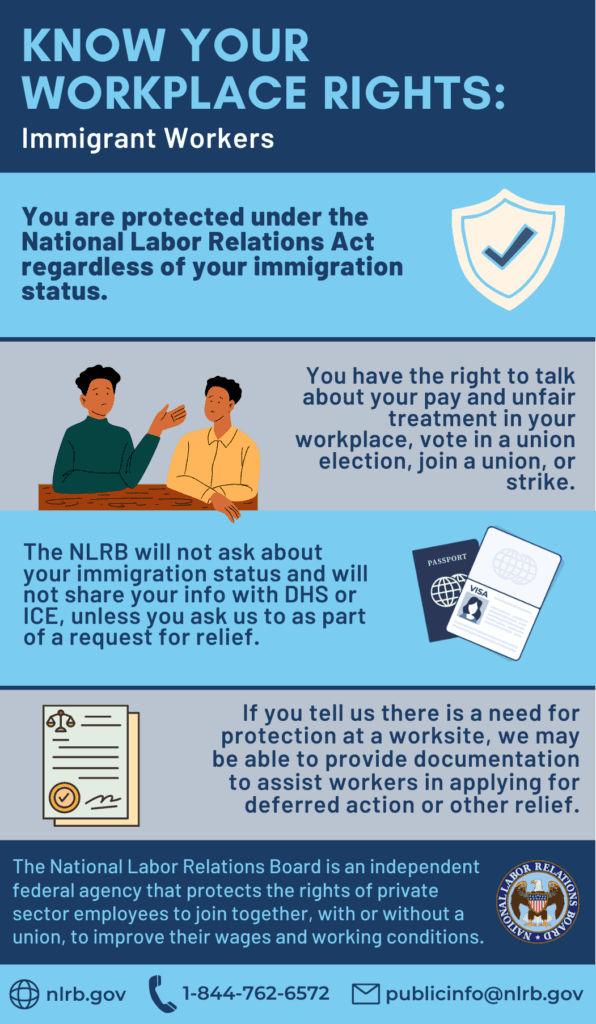
Several federal labor agencies and offices issued guidance and proposed rules in late February and through March 2026 that change enforcement of union organizing, joint-employer standards and worker classification. The shift, led in part by guidance from the National Labor Relations Board and related action from the Department of Labor, alters how regulators will assess workplace relationships and the boundaries of collective-bargaining responsibility.
The NLRB guidance released during the period sets out a revised approach to joint-employer analysis, changing the factors the agency will weigh when determining whether a company shares responsibility for employees who work through staffing firms or vendors. That same guidance specifically ties into enforcement of union organizing campaigns by clarifying when a nominally separate employer can be treated as jointly responsible for bargaining and unfair labor practices.
The Department of Labor also issued proposed rules and explanatory materials in the late February through March window focused on worker classification. Those proposals address the tests DOL will apply to distinguish employees from independent contractors for purposes of wage-and-hour and benefits enforcement, signaling a stricter posture on misclassification cases than some employers have relied on previously.
For Goldman Sachs, the combined regulatory movement means increased scrutiny of contingent labor arrangements, vendor management and how the firm coordinates with staffing agencies. Human resources, procurement and legal teams at the bank will need to review contracts and day-to-day supervisory practices because the new NLRB joint-employer standard and DOL classification proposals directly affect when an employer can be deemed responsible for workers supplied by third parties.

Because the actions issued in late February through March 2026 include both formal guidance and proposed rules, some elements are already shaping agency enforcement while other provisions remain subject to final rulemaking. That split matters for compliance planning: teams that only monitor final regulations may miss shifts in how investigators and union organizers frame cases under the NLRB guidance now in circulation.
The upshot for employees and managers at Goldman Sachs is practical and immediate: changes to joint-employer and classification enforcement affect who can be named in bargaining and unfair labor practice allegations, and they affect how contractors and vendors must be managed on a day-to-day basis. With regulators recalibrating enforcement this late February through March, internal audits of vendor contracts and supervisory practice documentation will be central to limiting exposure as the rules evolve.
Know something we missed? Have a correction or additional information?
Submit a Tip