Federal labor rules protect most Walmart associates' organizing rights
Federal labor law protects most private-sector employees, including retail workers, who choose to organize or act together. The guidance explains who is covered and how associates can seek help.
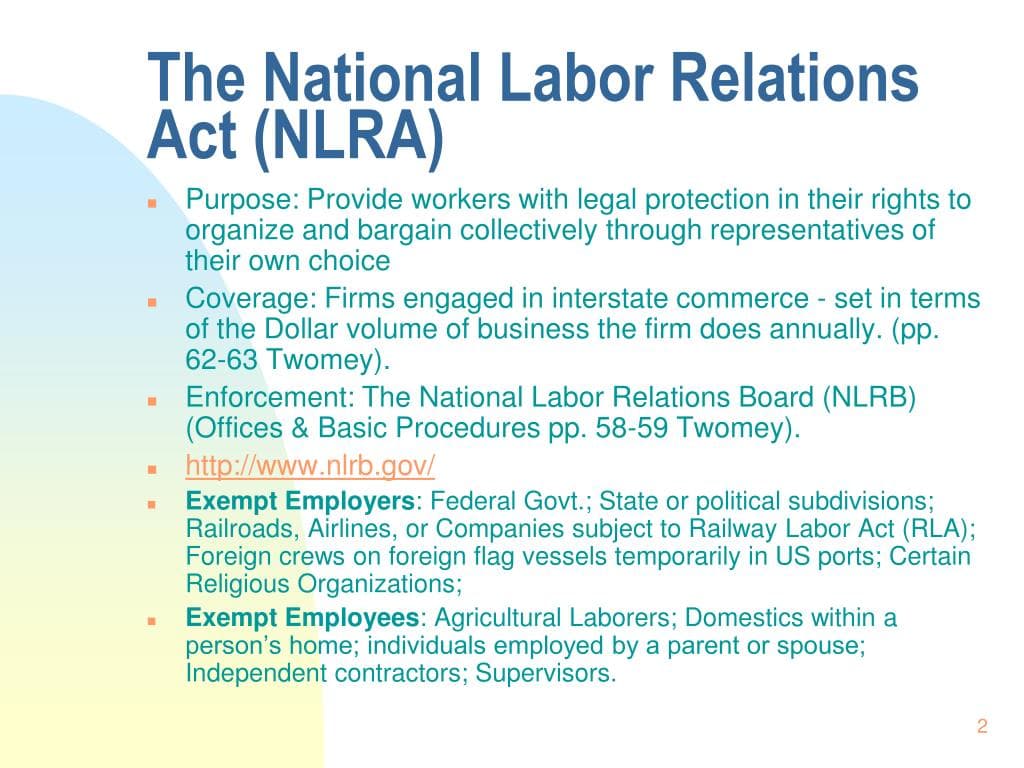
Federal labor law protects most private-sector employees, including retail workers at Walmart, when they organize, engage in concerted activity to improve wages or conditions, or decide not to organize. That protection covers day-to-day conversations on the sales floor and collective steps taken to address scheduling, safety, pay or other workplace concerns.
The law does not extend to everyone. Certain categories of workers, such as supervisors, some independent contractors and public-sector employees, are outside the scope of these protections. Knowing whether you fall inside or outside the law is the first step for associates considering collective action. The National Labor Relations Board enforces these protections for private-sector employees and handles charges alleging violations of the National Labor Relations Act.
For Walmart associates, the practical takeaway is clear: discussing wages, shifts, safety and other working conditions with co-workers is generally protected. Employers cannot lawfully discipline or fire employees for taking part in protected concerted activity. Those who believe their rights have been violated can pursue remedies by contacting the enforcement agency and filing charges. The federal guidance also outlines the distinctions between individual complaints and actions deemed concerted, and explains when an employee's conduct may lose legal protection.
Workplace dynamics often change once organizing activity begins. Managers and store supervisors may alter schedules, reassign duties or increase discipline in response; such steps can be lawful management actions when unrelated to protected activity but can cross the line into unlawful interference if intended to deter organizing. Associates should document incidents carefully, including dates, witnesses and communications, and preserve any relevant messages or schedules. Documentation improves the ability of enforcement agencies to investigate alleged violations.

This guidance matters in the broader context of retail labor trends. Large employers like Walmart face ongoing pressure from employees seeking improved pay and conditions, and federal protections shape the legal landscape around petitions for union recognition, card checks and other organizing strategies. Understanding who is covered helps workers weigh options and reduces confusion about next steps.
Associates seeking clarity or considering collective action should review the federal guidance and follow the contact steps it provides to report suspected violations or get answers on coverage and process. Staying informed, documenting interactions and connecting with coworkers are immediate steps that can protect rights and shape how disputes are resolved going forward.
Know something we missed? Have a correction or additional information?
Submit a Tip