Federal Panel Clears Use of North Carolina Republican Drawn Map
A three judge federal panel ruled on November 27 that North Carolina’s newly enacted congressional map may be used in the 2026 elections, rejecting requests from voting rights groups for a preliminary injunction. The decision underscores limits on federal court intervention in partisan redistricting and raises questions about minority representation, legal strategy, and electoral consequences ahead of next year’s midterms.

A federal three judge panel on November 27 allowed North Carolina’s Republican drawn congressional map to take effect for the 2026 elections, denying a preliminary injunction sought by the North Carolina State Conference of the NAACP, Common Cause, and other plaintiffs. The court concluded that under the U.S. Supreme Court’s 2019 precedent limiting federal courts’ role in partisan gerrymandering disputes, the plaintiffs had not shown a likelihood of success on the merits, and therefore an injunction was unwarranted.
The ruling clears the electoral calendar for state election officials and candidates working under the new boundaries, and it leaves in place a map that critics describe as highly partisan. Voting rights groups warned that the map would dilute minority voting strength in several districts, altering the political terrain in ways that could affect representation and policy outcomes in Congress. State legislators and officials defended the map as a lawful exercise of legislative authority over congressional districting.
The decision arrives amid a broader pattern of mid decade redistricting enacted by Republican controlled legislatures in multiple states. Those efforts have prompted legal challenges and heightened scrutiny from advocacy groups and national political observers, who say the timing and scope of the maps can entrench partisan advantage between regular redistricting cycles. Supporters argue that legislatures have constitutional responsibility to draw districts and that courts have limited authority to second guess political judgments.
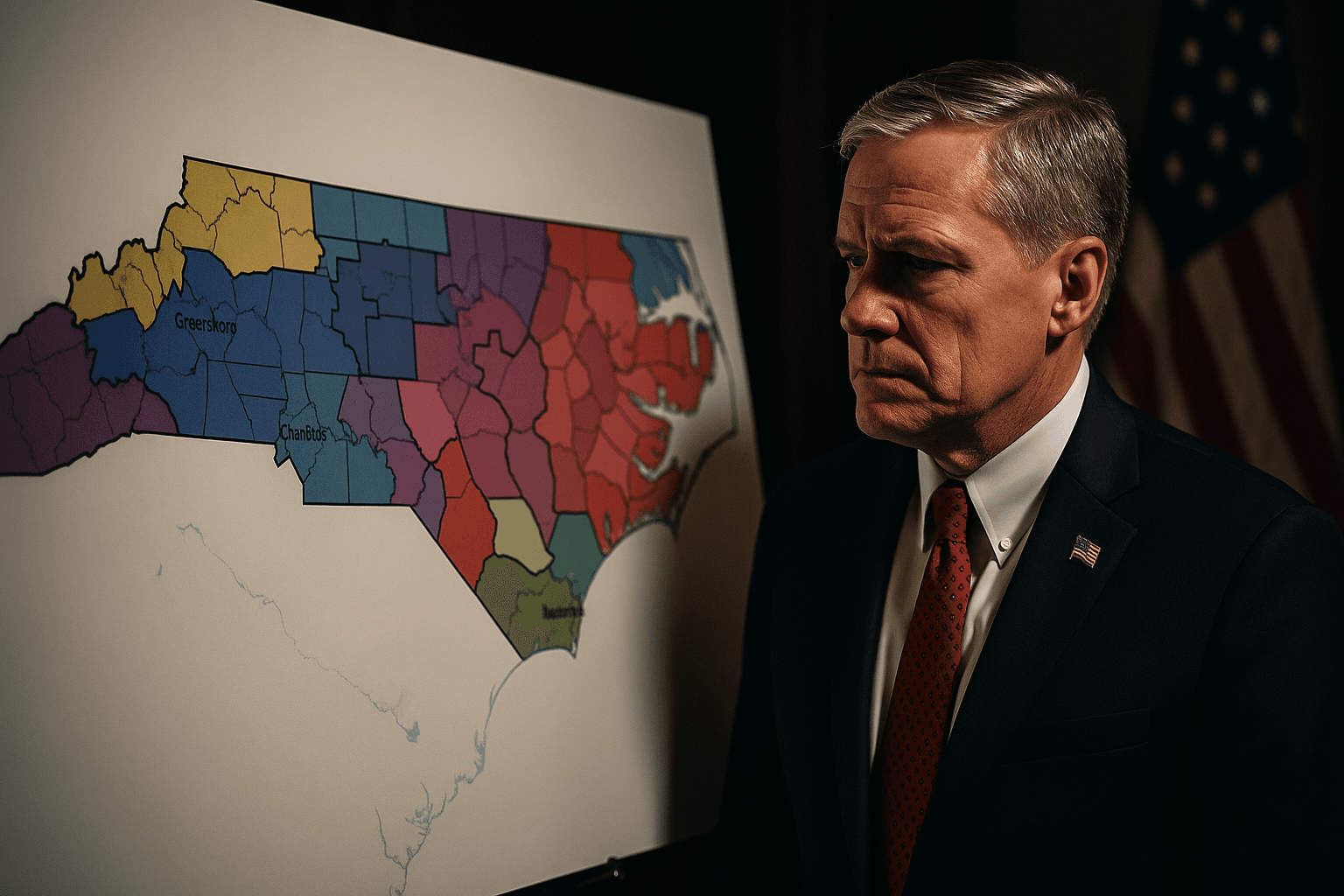
By basing its decision on the Supreme Court precedent, the federal panel reaffirmed a narrow role for federal courts in adjudicating claims of partisan gerrymandering. That posture shifts greater emphasis to state courts, legislative processes, and Congress for addressing contested maps. For plaintiffs, the immediate practical effect is that the new map will govern candidate filing, primary planning, and voter education ahead of the 2026 midterms. The litigation over the underlying merits of the challenge may continue, but the denial of preliminary relief means the map will shape the upcoming electoral cycle.
The ruling also carries policy implications for minority enfranchisement and civic engagement. Advocates for minority voters said the map’s configuration could fragment communities and reduce the influence of Black and other minority populations in key districts, a concern that can depress turnout and civic participation if voters perceive their impact diminished. Election administrators and civic groups must now adjust outreach and voter information efforts to the new district lines while the legal dispute unfolds.
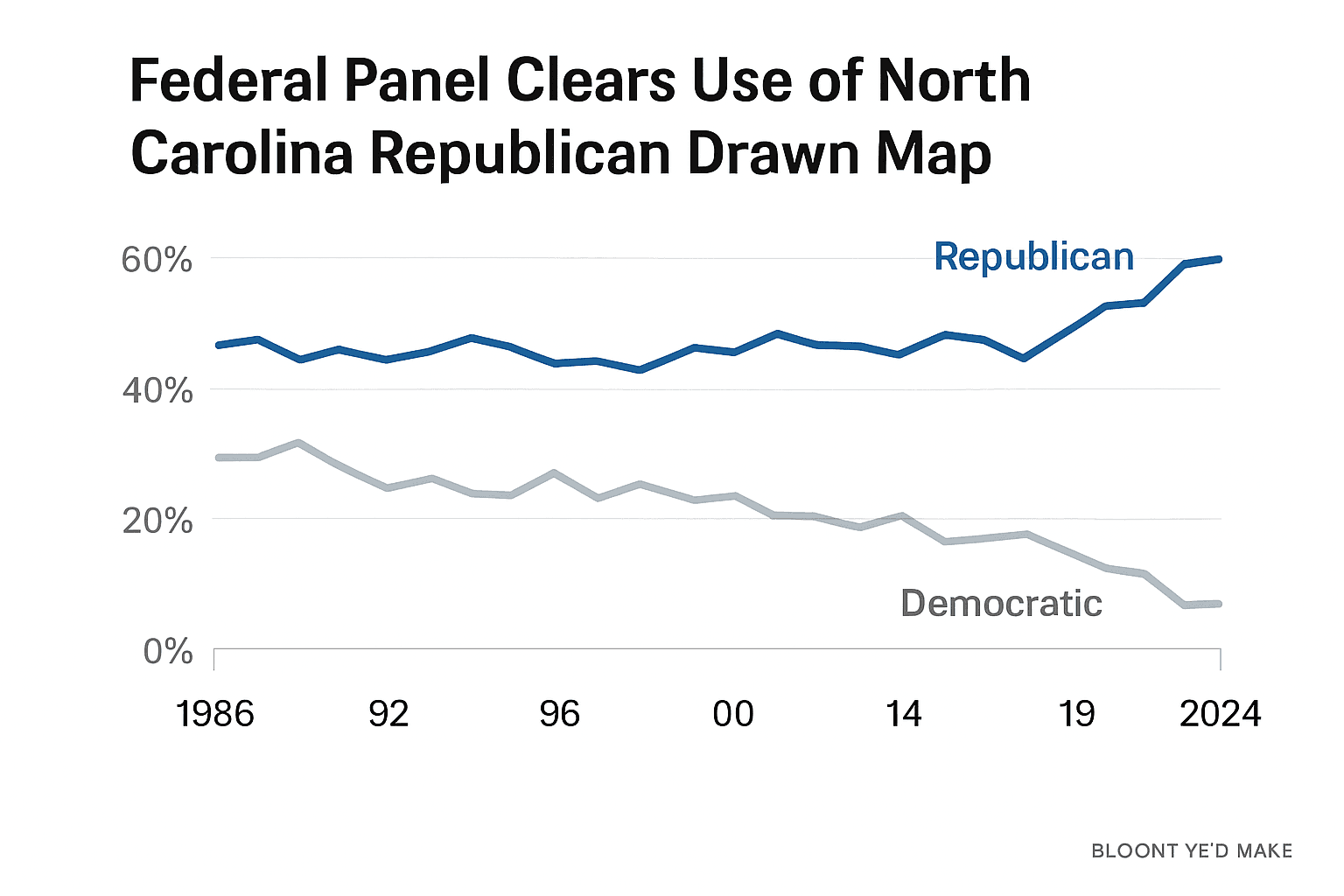
Institutionally, the case highlights friction between judicial restraint and demands for judicial oversight when electoral maps produce stark partisan outcomes. With federal courts signaling reluctance to intervene on partisan gerrymandering claims, the practical checks on redistricting will increasingly come from state judiciaries, legislative remedies, and political accountability at the ballot box. The North Carolina decision is likely to influence legal strategies in other pending challenges and to shape the political map heading into 2026.
This article was produced by Prism’s automated news system from verified source data, official records, and press releases, then run through automated quality and moderation checks before publishing. The system is built and supervised by the people who set the standards it runs under. Read our full AI policy.
Did this article answer your question?

