Federal Reserve Denies Application From Canandaigua National Corporation
The Federal Reserve Board on Oct. 17 denied an application submitted by Canandaigua National Corporation of Canandaigua, New York, a move that signals heightened scrutiny by banking regulators. For local shareholders, counterparties and insurance-market observers, the decision underscores regulatory caution that could complicate strategic plans and mergers across regional financial firms.
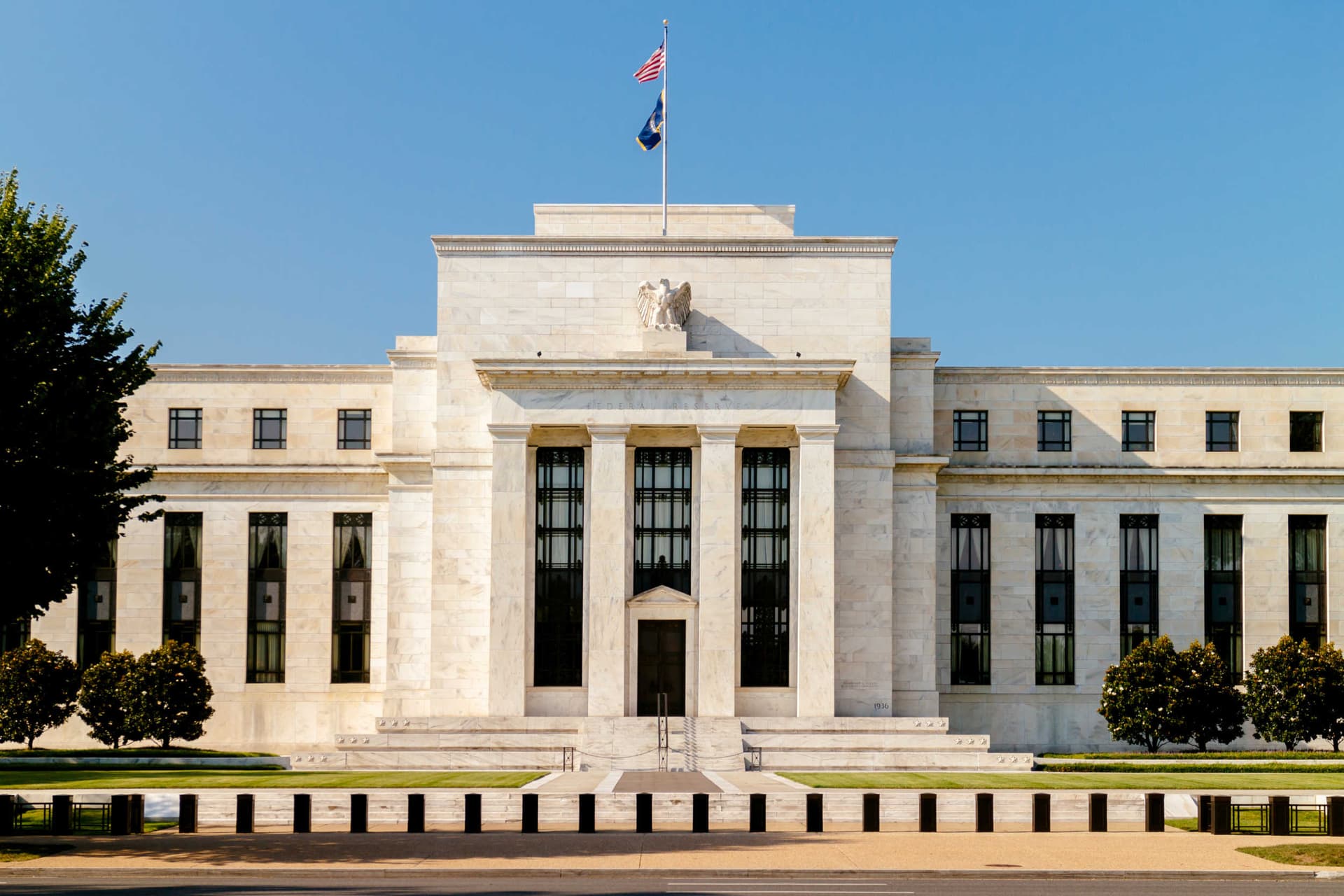
The Federal Reserve Board on Friday announced it had denied an application by Canandaigua National Corporation, a firm based in Canandaigua, New York. The release, dated Oct. 17, 2025 at 6:45 p.m. EDT, appeared on InsuranceNewsNet and is currently available only to Insider Pro subscribers.
The terse public notice offers no additional detail on the type of application or the regulatory reasoning. Under the Bank Holding Company Act and related supervisory rules, the Federal Reserve reviews a range of filings from insured depository institutions and their holding companies, including requests to acquire other banks, to form bank holding companies, or to expand activities. Denials, while relatively uncommon, typically reflect concerns about financial condition, managerial competence, capital adequacy, or the proposed transaction’s compatibility with the public interest and financial stability.
Even without granular explanations from regulators, the decision carries immediate practical implications. A denial can halt planned mergers, acquisitions or strategic restructurings, forcing companies to reassess capital plans and timelines. For a regional institution like Canandaigua National Corporation, the outcome may delay growth ambitions, limit access to new markets or products, and add uncertainty for investors and customers. Market participants often respond to such regulatory setbacks by repricing risk or by pausing other deals while they await clarity about supervisory expectations.
The action also fits into a broader regulatory context. Since the regional bank strains of 2023 and subsequent supervisory reviews, federal regulators have signaled a more conservative posture on licensing, expansion and complex financial activities for smaller and mid-sized banking organizations. Policymakers have emphasized resilience, higher capital cushions, closer management oversight and clearer contingency plans, particularly for institutions that conduct diversified financial activities or have insurance subsidiaries. That tightening matters for the insurance and annuity markets because bank-insurance combinations and cross-selling strategies are frequently contingent on regulatory approvals.
For local economies, denied applications can slow the flow of credit and services if firms scale back expansion plans. Shareholders face uncertainty and potential valuation pressure until management outlines next steps. Competitors may gain short-term advantage if a planned consolidation is stopped, but the broader market effect depends on whether the denial reflects firm-specific deficiencies or a systemic shift in supervisory standards.
The InsuranceNewsNet posting behind a subscription barrier limits public access to immediate details, leaving market watchers to parse limited filings and regulatory databases for further information. Analysts will be watching filings with the Federal Reserve, FDIC and state insurance regulators for amendments, appeals or refiled proposals that clarify whether Canandaigua National Corporation will revise its application to address the Fed’s concerns.
Absent additional disclosures from the company or the Federal Reserve, the denial remains a signal rather than a full diagnosis. But it reinforces a persistent theme in U.S. financial regulation: after periods of volatility, supervisory authorities tend to favor prudence, and that posture materially shapes strategic choices for regional banks and insurers over the medium term.
This article was produced by Prism’s automated news system from verified source data, official records, and press releases, then run through automated quality and moderation checks before publishing. The system is built and supervised by the people who set the standards it runs under. Read our full AI policy.
Did this article answer your question?

