Federal workers celebrate Service to America Medals amid Trump-era anxiety
Some federal workers skipped their own medal ceremony, turning the Sammies into a blunt measure of fear inside a shrinking civil service.
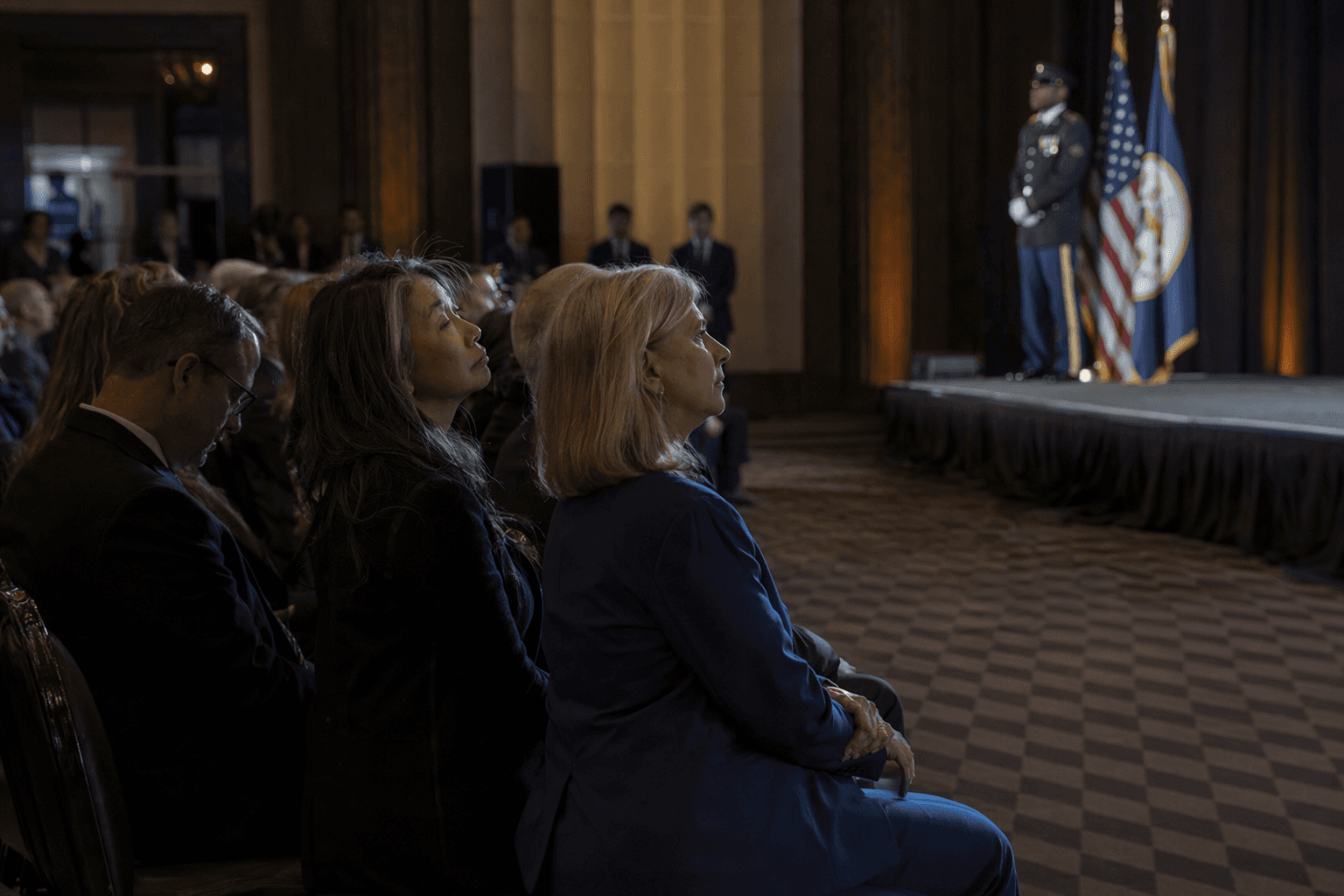
Fear shadowed a night meant to celebrate public service. At the 25th annual Service to America Medals, held Wednesday at the National Museum of the American Indian in Washington, D.C., federal workers honored for protecting health, safety and government performance faced a very different atmosphere, one shaped by layoffs, restructuring and anxiety about being seen in the wrong place at the wrong time.
The Partnership for Public Service said the Sammies have recognized more than 800 individuals since 2002 and were created to spotlight the nonpartisan civil service and the work of federal employees who make the country safer, stronger, healthier and more prosperous. This year’s ceremony included a special reception at 5 p.m. and began at 6:30 p.m., with former presidents George W. Bush and Joe Biden appearing by video as the awards marked a quarter-century of federal service.
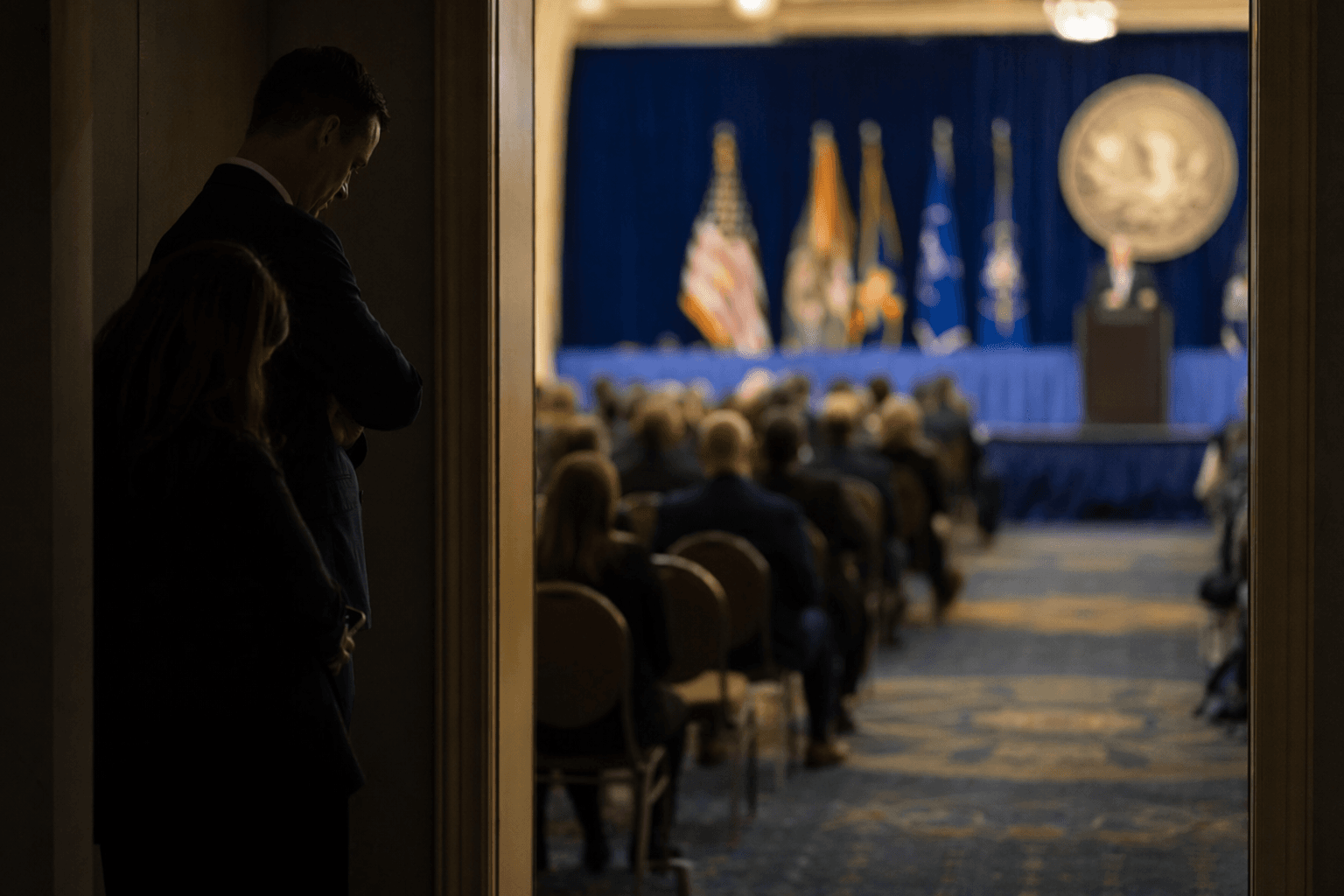
But the event also exposed how much the workforce has changed under the Trump administration’s pressure on government jobs and institutions. Many workers were too frightened to attend in person, turning a familiar celebration into a barometer of morale inside the federal bureaucracy. For a ceremony built around competence and public value, the hesitation itself became the story.
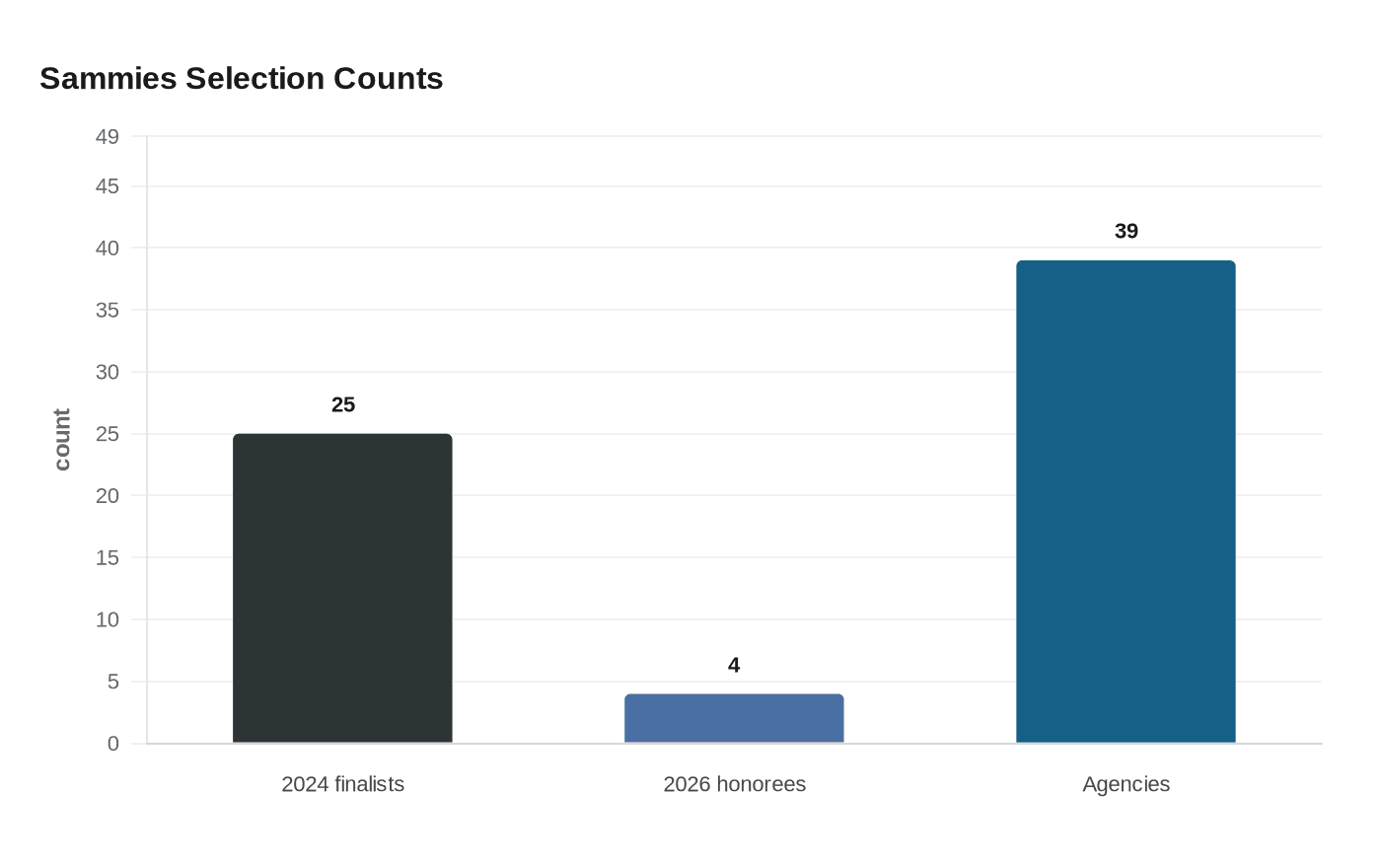
The scale of this year’s awards underscored that sense of strain. Federal News Network reported that just four 2026 honorees were selected from about 140 nominations across 39 agencies and subcomponents, far fewer than the 25 finalists chosen in 2024 from more than 500 nominations. Max Stier, the Partnership for Public Service’s president and chief executive, said identifying stories of public service was “much more difficult” this year and blamed an “upheaval” across the federal workforce. He said the usual energy to recognize and celebrate federal employees’ achievements was missing. Agencies that normally submit dozens of nominations reportedly sent none this year.
That decline comes against a broader contraction in the civil service. Washington Post reporting earlier in 2026 said some 300,000 federal workers had left government by the end of 2025, a departure that has reshaped offices, hollowed out expertise and deepened uncertainty for those still on the job. The Sammies, once promoted as the “Oscars of public service,” were meant to affirm continuity across administrations; this year they instead reflected how fragile that continuity has become.
The unease surfaced in small moments inside the room. EPA scientist James Szykman referenced the Environmental Protection Agency’s now-defunct Office of Research and Development, drawing a groan from the audience. It was a brief reaction, but it captured the deeper ache in the room: recognition mixed with loss, pride mixed with fear, and an awards ceremony that sounded less like a victory lap than a warning about the state of federal service.
This article was produced by Prism’s automated news system from verified source data, official records, and press releases, then run through automated quality and moderation checks before publishing. The system is built and supervised by the people who set the standards it runs under. Read our full AI policy.
Did this article answer your question?

