Good Morning America spotlights Washington state’s ferries, whales and natural beauty
Washington’s ferries and whale-filled waters took center stage as Good Morning America linked tourism, transit and conservation in one of the state’s busiest marine corridors.
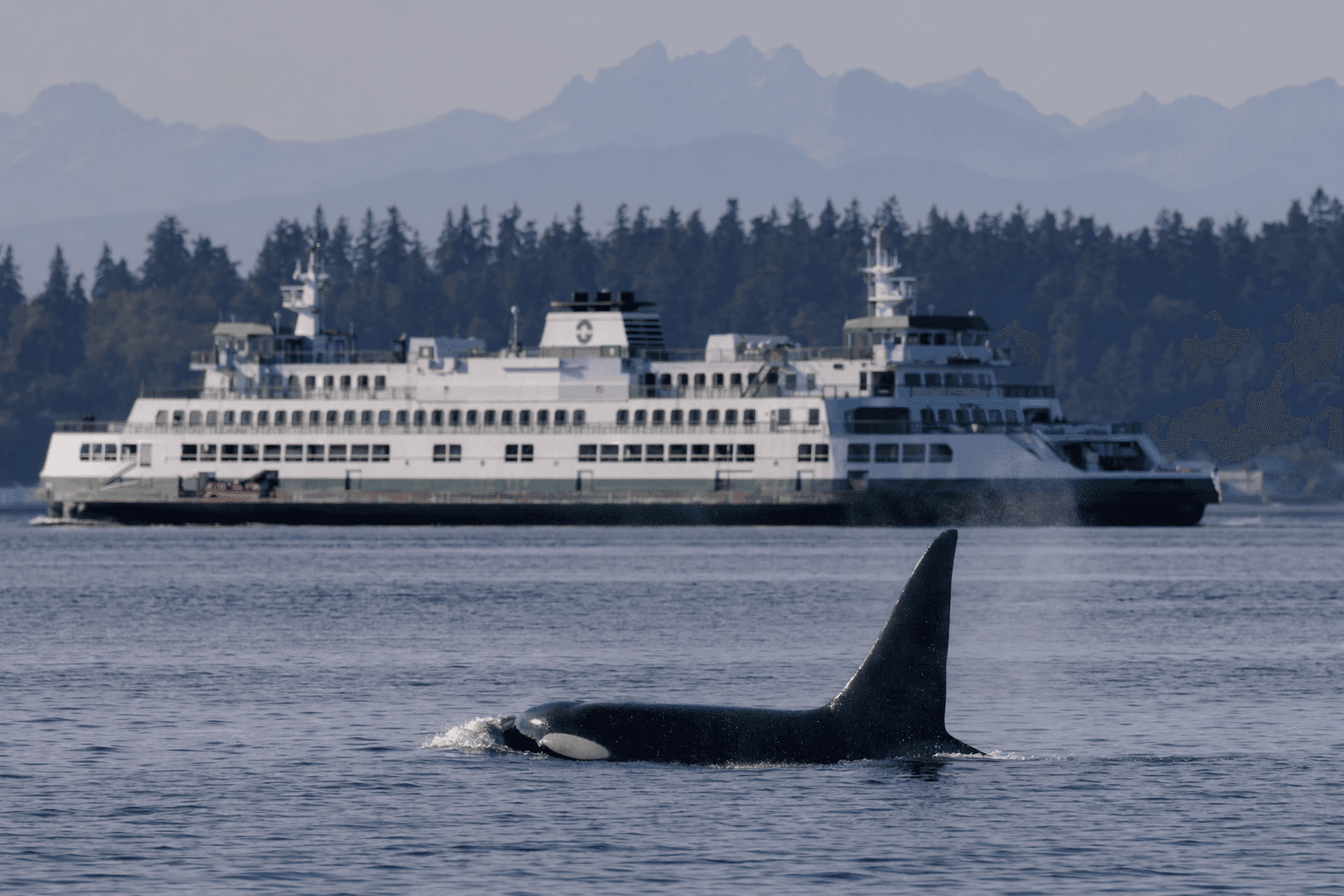
Becky Worley brought Washington state’s marine landscape into the national spotlight as Good Morning America continued its 50 states in 50 weeks tour, pairing a ferry broadcast with a look at the waters that make the state a tourism draw and a conservation priority.
The segment was part of ABC News’ yearlong America the Beautiful series, launched in July 2025 and timed to the 50th anniversary of Good Morning America and the nation’s 250th anniversary on July 4, 2026. Washington was the 41st state featured in the sequence, which followed the order in which states joined the Union.
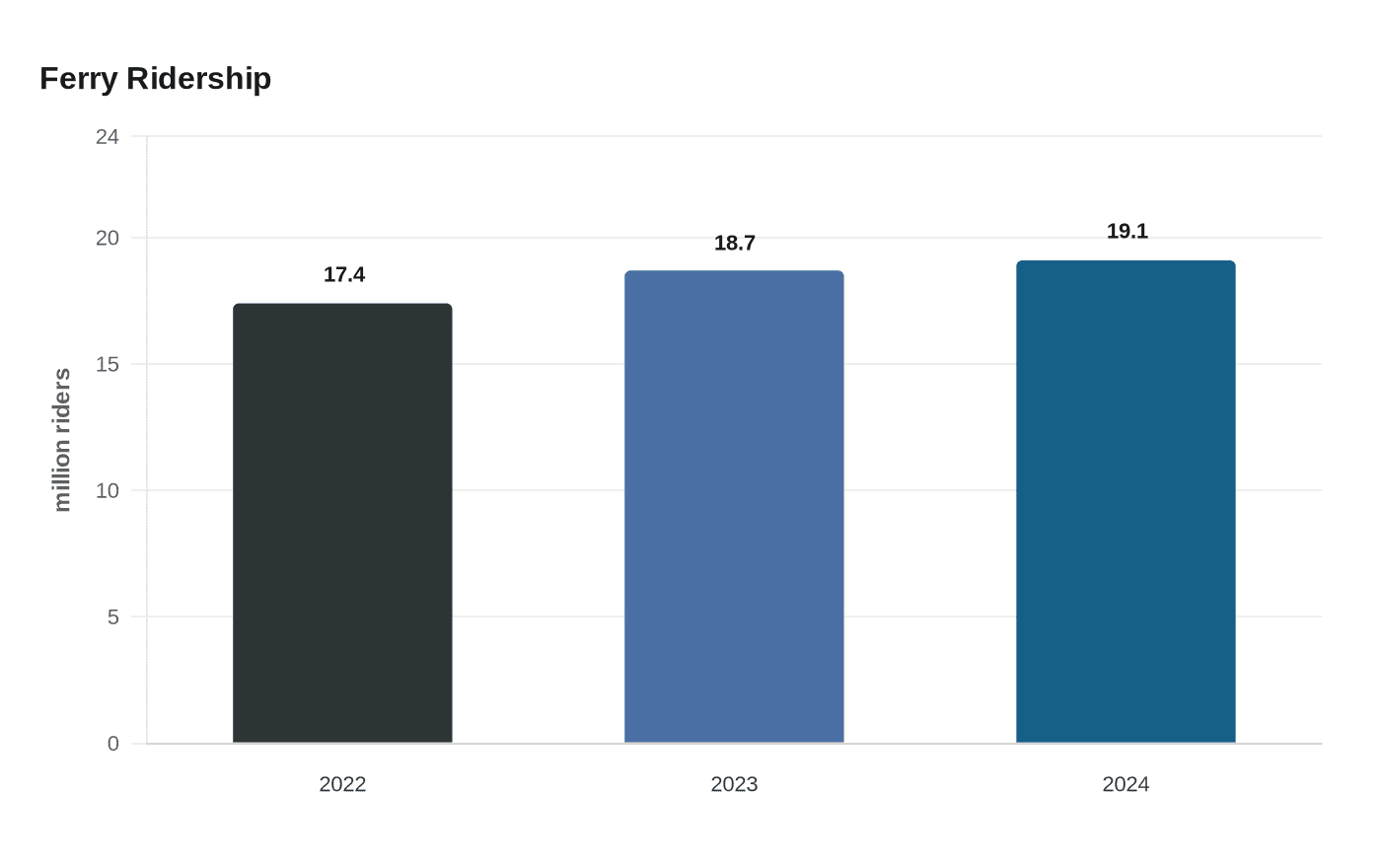
A live broadcast from a Washington State Ferries vessel put Puget Sound at the center of the story. Washington State Ferries says it operates the largest ferry system in the United States, with 21 ferries, 20 terminals and 10 routes. The system carried 19.1 million riders in 2024, up from 17.4 million in 2022 and 18.7 million in 2023, underscoring how essential the boats are not just for commuters but for visitors moving through Seattle, the islands and the broader Sound.
The whale-watching angle gave the segment its deeper environmental stakes. Washington’s Salish Sea is one of the best places in the continental United States to see orcas, humpbacks, gray whales and minke whales, with the San Juan Islands standing out as a prime destination. Peak whale-watching season there generally runs from mid-June through early September, though whales can often be spotted from April through October.
That abundance draws tourists, but it also brings responsibility. NOAA Fisheries says the Southern Resident killer whale population, including the J, K and L pods, was listed as endangered in 2005. The threats are still familiar and persistent: depleted prey, vessel disturbance, noise, and pollution. The whales remain a West Coast icon, but their survival depends on quieter waters, healthier salmon runs and fewer disruptions from boats.
That is why state agencies and conservation groups keep pushing responsible wildlife viewing. Licensed operators reduce the risk of disturbance, observers are urged to stay alert to whale locations, and shore-based viewing is encouraged when it is practical. In Washington, the same waters that support ferries, fishing and tourism also carry a fragile ecosystem, and the state’s appeal depends on keeping that balance intact.
This article was produced by Prism’s automated news system from verified source data, official records, and press releases, then run through automated quality and moderation checks before publishing. The system is built and supervised by the people who set the standards it runs under. Read our full AI policy.
Did this article answer your question?

