Fetch, Recall and Interval Games Channel Hyperenergetic Dogs' Energy into Obedience
Training games turn explosive dog drive into reliable recall and fitness with short, progressive, reward-based drills that owners can run at home or in a fenced yard.
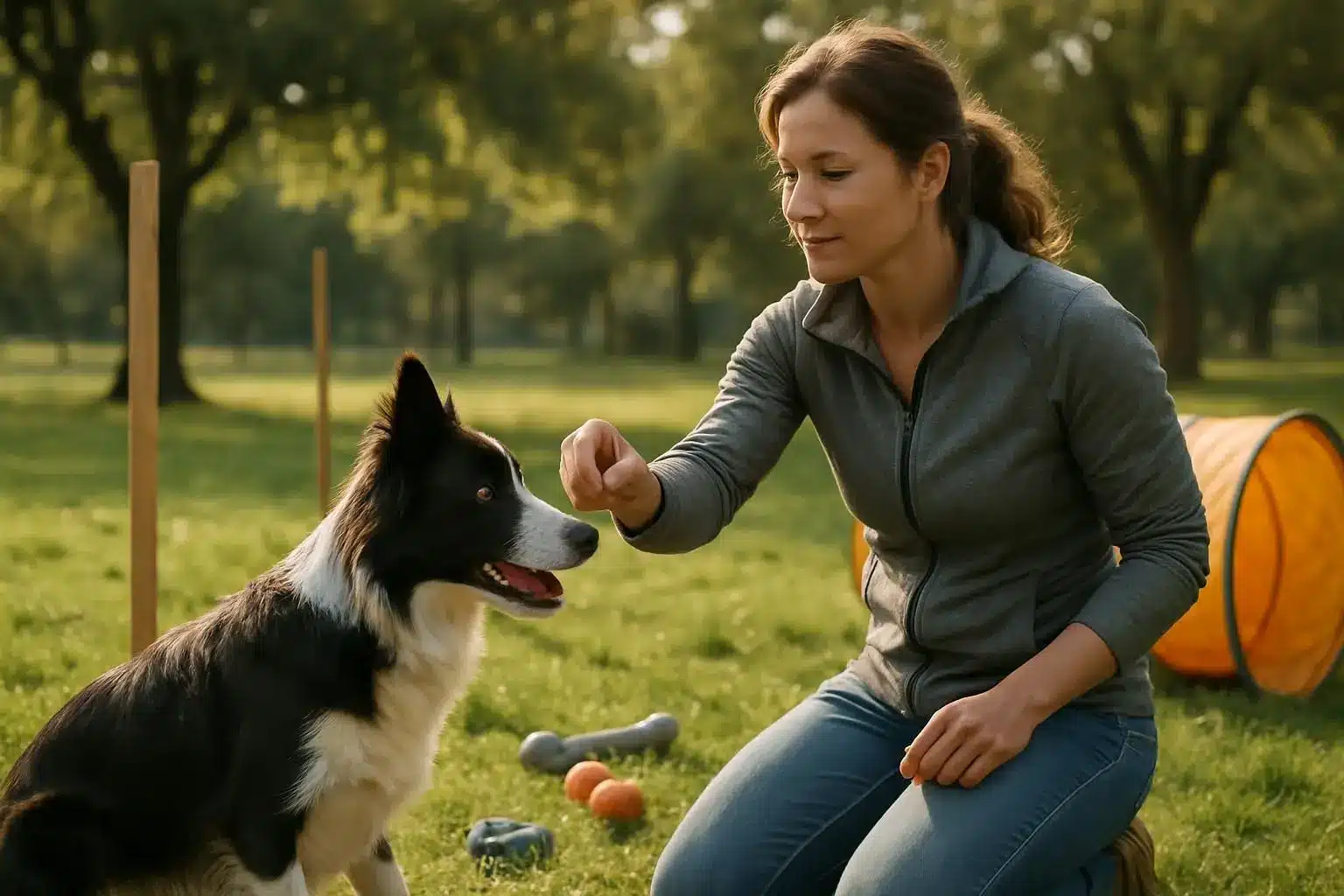
Hyperenergetic dogs often outpace routine walks, but a handful of focused games can channel that drive into dependable recall and better obedience while providing high-octane exercise. Trainers lay out a progression of treat-tossing, two-ball fetch, keep-away chases, multi-person “ping pong” recalls, hide-and-seek and controlled long-line work that builds distance, distractions and enthusiasm without punishment.
Start with small, repeatable wins. Begin indoors or in a fenced yard at a few feet, toss a treat and use the “Get it!” cue as permission to eat. As the dog finishes the treat, call the dog’s name; “As her head turns in your direction, click or ‘Yes!’ and give him a really awesome reward – something super special.” Repeat, gradually increasing the toss distance so the dog learns that turning back earns a powerful payoff.
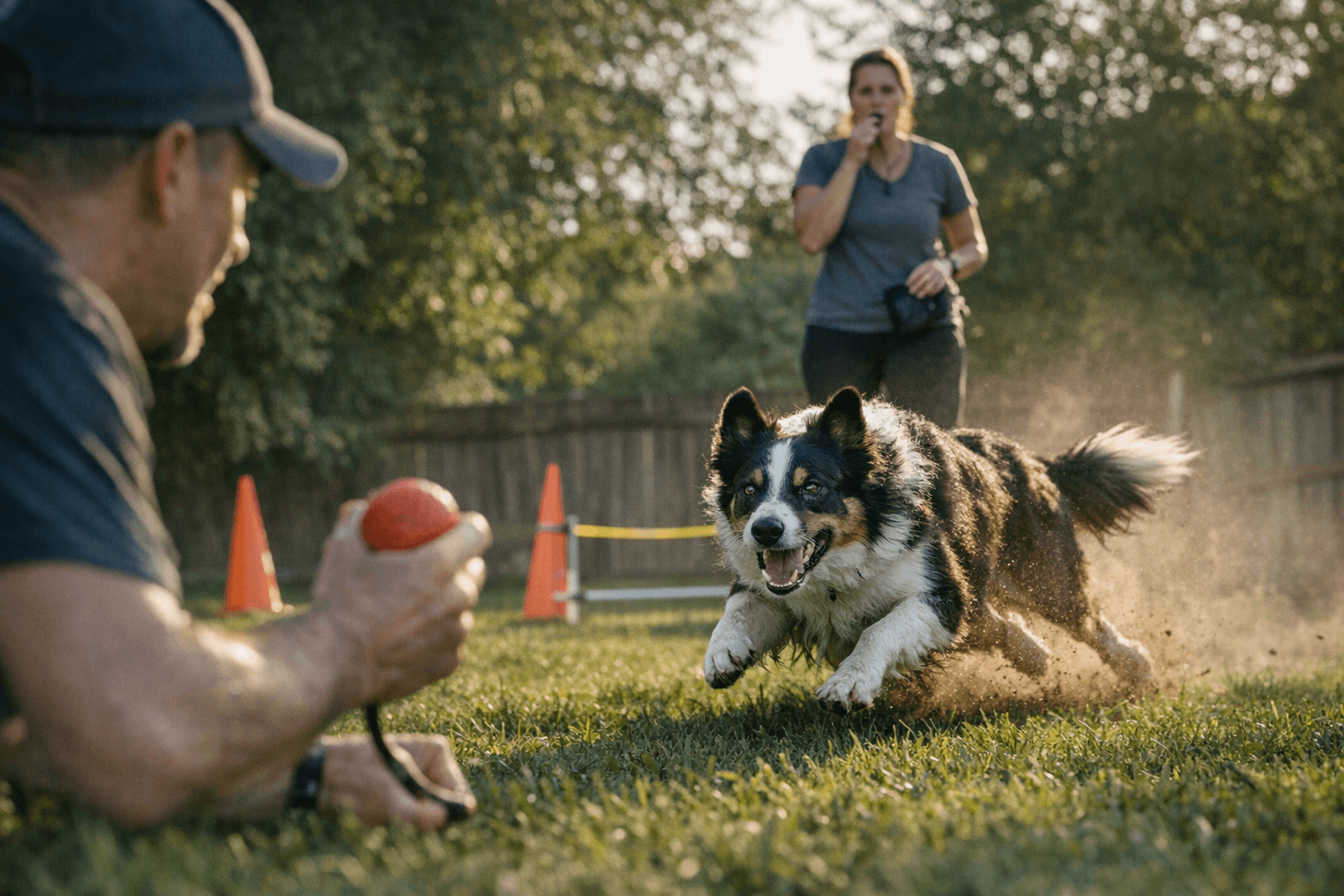
For ball-crazed dogs, the two-ball drill links fetch to recall. Have two balls ready. Call the dog, click or “Yes!” for the sit or finish and instantly throw one ball. When the dog returns with the ball and starts coming back to you, call “Come!” again, click or “Yes!” on arrival and throw the second ball the other way. This chains fetch and recall into rapid, joyful repetitions — “This game can be fast and furious; it’s great fun for ball-crazed dogs.”
Add controlled chase games next. Keep Away uses your movement as motivation: call once, then run a short distance to invite the chase; when the dog catches up, praise and reward. Increase distance slowly and vary directions or brief hiding spots to keep the dog guessing. For generalization, the Ping Pong Pup drill brings in multiple callers. Two people stand apart with the dog between them in an enclosed area, take turns calling and reward the dog for coming. When someone else calls, the original handler should “stand up and don't interact with your dog… make yourself more boring so the other person who's using your dog's recall cue seems more interesting!”
Introduce real-world distractions with a long line before going fully off-leash. Use a 20–30 ft long line to maintain control while practicing near other dogs or people. Reward small attempts to approach, and if the dog gets distracted, gently guide them back rather than scolding. The core principle is simple: never call your dog to punish or end fun activities; make recall the gateway to reward.
Equipment is straightforward: a 20–30 ft long line, a clicker or verbal marker such as “Yes!,” high-value treats, one or two balls and a safely enclosed practice area. Practice daily in short sessions, keep body language upbeat and get low to invite the dog in. Emphasize safety and progressive difficulty to prevent overexertion.
For owners facing an energetic adolescent or adult, these drills offer immediate, practical value: more reliable returns, extra exercise and a recall your dog wants to use. Start small, reward generously and build toward longer, distractor-rich sessions so fetch and interval play become tools for fitness and obedience rather than sources of runaway energy.
Know something we missed? Have a correction or additional information?
Submit a Tip