Fiber-rich grains drive demand for pricier premium flour brands
A basic pantry staple is becoming a status buy as shoppers chase fiber, GLP-1-friendly foods and cleaner labels. Bob’s Red Mill is selling stone-ground flour with 7 grams of fiber per serving.
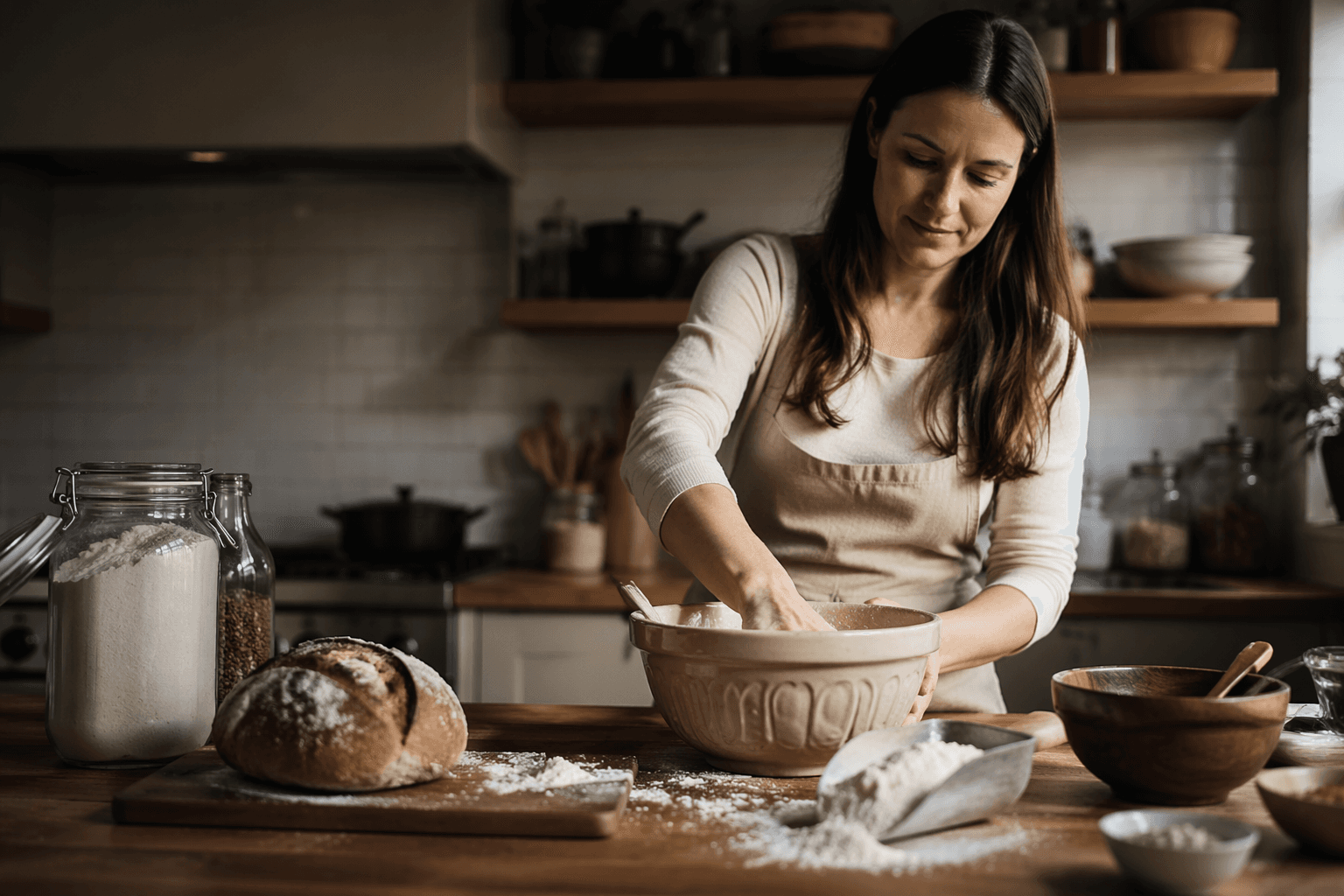
The humble bag of flour is becoming a premium purchase, and the divide is as much about class and lifestyle as it is about nutrition. As fiber-rich grains gain favor with fiber-maxxers, GLP-1 users and MAHA adherents, pricier flour brands are selling less processed products that promise more nutrients, better digestion and a more intentional way to cook.
The appeal starts with what gets left in. Whole grains keep the bran, germ and endosperm, while refined grains are stripped of the bran and germ. The bran, the outer layer, carries much of the fiber. Harvard T.H. Chan School of Public Health says whole grains offer a complete package of health benefits compared with refined grains, while Mayo Clinic says they provide fiber, vitamins, minerals and other nutrients and may help lower the risk of diabetes, heart disease and other conditions. The American Heart Association says whole grains can lower the risk of heart disease and stroke, support healthy digestion and reduce diabetes risk.
That nutritional case is helping transform flour from a commodity into a branded wellness product. Premium flour producers are benefiting from a convergence of health trends that favor less processed, more nutrient-dense foods, and industry reporting shows whole-wheat and organic flour variants are gaining momentum as consumers seek healthier and cleaner-label products. In other words, flour is being sold not just as an ingredient, but as a signal of taste, self-discipline and access to better-for-you food.

Bob’s Red Mill Natural Foods has leaned into that shift. The company says its Organic Whole Wheat Flour is 100% stone ground and contains 13% to 15% protein. It also says a quarter-cup serving delivers 7 grams of dietary fiber. Bob’s Red Mill says it has been making wholesome foods for 49 years and remains 100% employee-owned, a positioning that reinforces the brand’s image as both old-fashioned and premium.
The business case is straightforward: consumers willing to pay more can now buy flour that carries a wellness story with every scoop. The broader market is rewarding stone-ground, organic and other value-added offerings, while classic grocery-store brands remain the cheaper default for shoppers who do not want to pay extra for health branding. That gap matters. The boom reflects genuine demand for whole grains, which major medical and public-health groups link to better outcomes, but it also shows how quickly a staple can be recast as a status product once nutrition, identity and marketing line up.
This article was produced by Prism’s automated news system from verified source data, official records, and press releases, then run through automated quality and moderation checks before publishing. The system is built and supervised by the people who set the standards it runs under. Read our full AI policy.
Did this article answer your question?

