FIFA expects record 2026 World Cup revenue as host cities face costs
FIFA’s 2026 World Cup could bring in about US$13 billion, while U.S. host cities are left with bills that can top US$100 million each.
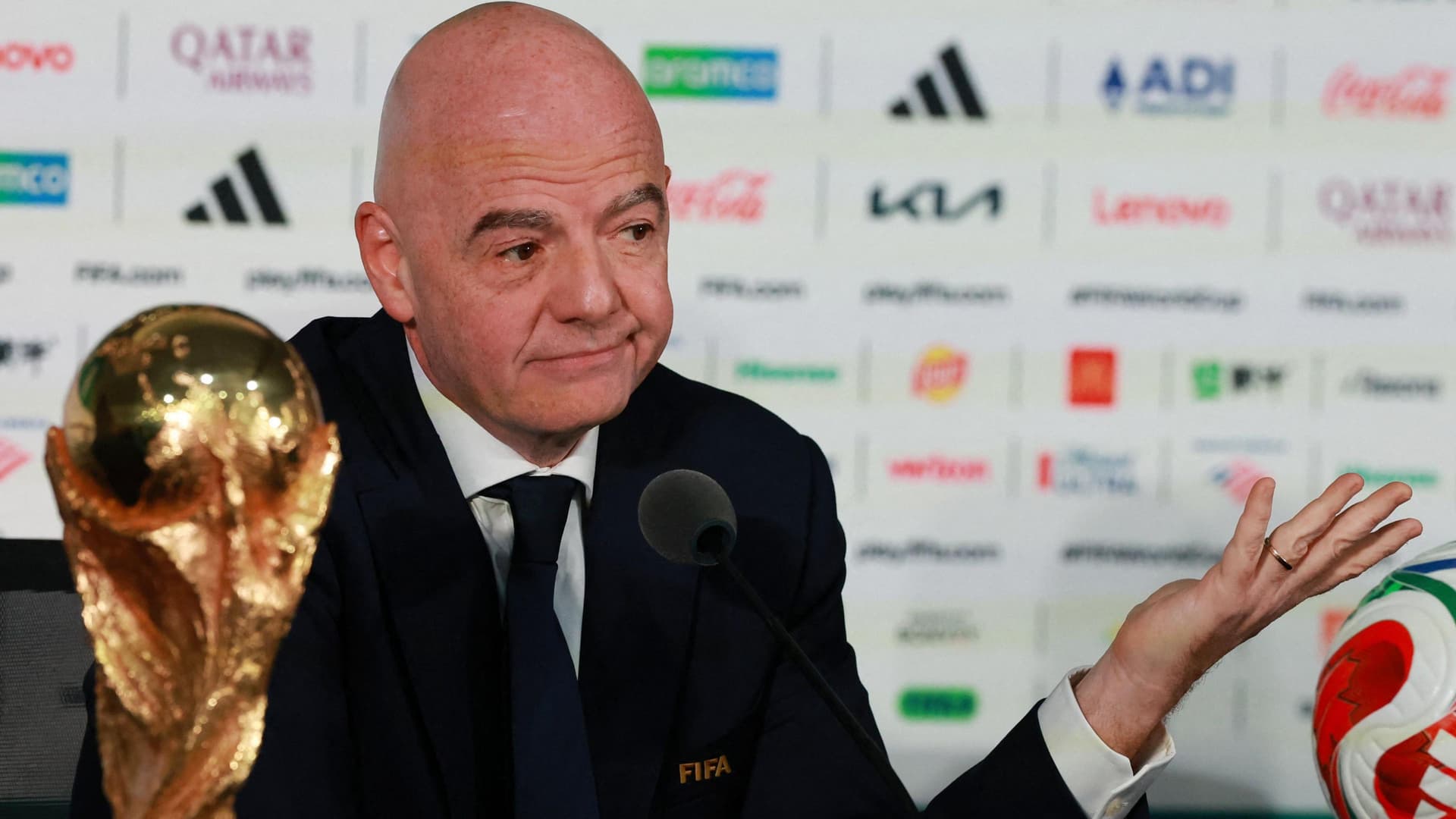
FIFA is projecting about US$13 billion in revenue from the 2026 World Cup, a record haul built on 48 teams, 104 matches and games staged across Canada, Mexico and the United States from June 11 to July 19. Some coverage puts the total as high as US$15 billion, underscoring how much of the tournament’s upside is concentrated at FIFA itself.
The central bargain is clear. FIFA controls the media, sponsorship and ticketing rights that drive the event’s biggest cash streams, while the public costs are pushed outward to host cities. FIFA has approved a record US$727 million financial contribution to participating member associations, 50% more than it distributed for Qatar 2022, and the prize pool has been reported at US$871 million, the largest in football history. That money is real, but it sits well below the scale of FIFA’s own revenue forecast.
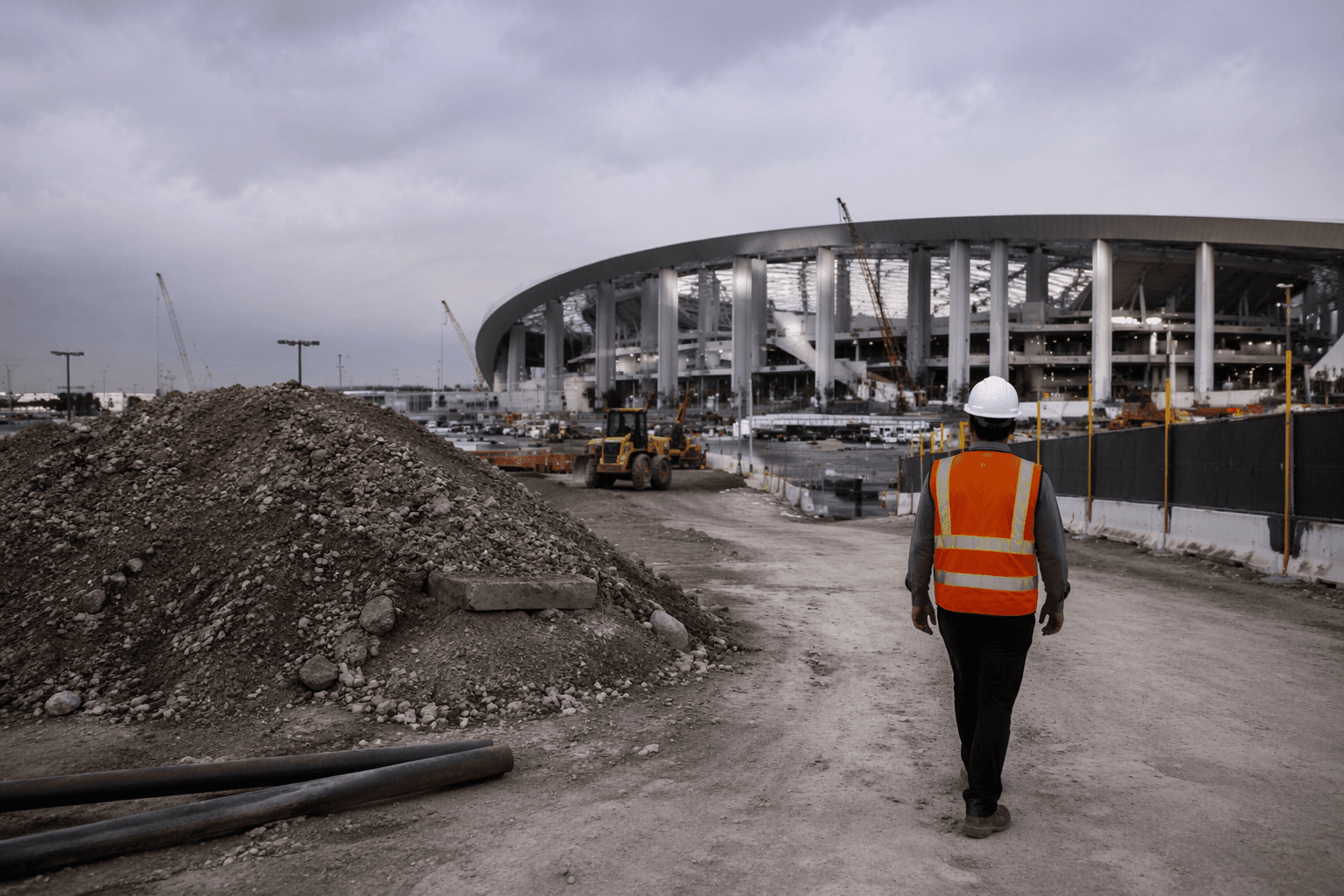
For the cities doing the staging, the economics look far less celebratory. Reporting on the 11 U.S. host cities says they are paying for the event and may face budget shortfalls. Separate analysis puts host-city spending at roughly US$100 million apiece to stage the World Cup, and FIFA’s contracts may prevent many from fully recouping that outlay. The bill covers operations, security and infrastructure, while the biggest gains are booked elsewhere.
The strongest revenue line for FIFA appears to be sponsorship, broadcasting and hospitality. SportsPro says commercial income is being driven by those three pillars, and sponsorship revenue alone has been reported at US$2.4 billion, up 37%. Ticketing is also expected to be unusually lucrative. One estimate cited US$7.4 billion in ticket sales alone, and a premium final ticket price was reported at US$32,000. FIFA’s official hospitality provider is On Location, whose U.S. packages start at US$650 per person, adding another layer of high-margin inventory around the tournament.
Yet the headline numbers may flatter the underlying economics. SVG Europe said record revenue masks a 19% fall in per-game rights value and an 11% drop in broadcast deal volume, suggesting FIFA is benefiting from a bigger schedule more than from stronger pricing per match. That matters in a tournament expanded to 104 games, because more inventory can lift gross revenue even when unit value weakens.
The result is a familiar World Cup pattern. FIFA and its commercial partners capture the most upside, broadcasters and sponsors buy into a larger event, and host cities absorb the upfront costs. The promised windfall is real, but much of it flows to Zurich rather than to the streets around MetLife Stadium and the other venues carrying the tournament’s price tag.
This article was produced by Prism’s automated news system from verified source data, official records, and press releases, then run through automated quality and moderation checks before publishing. The system is built and supervised by the people who set the standards it runs under. Read our full AI policy.
Did this article answer your question?