German minister says tariffs could boost Chinese interest in Volkswagen plant
Saxony minister Dirk Panter said higher EU tariffs on Chinese cars could pull Chinese buyers toward a Volkswagen plant, not away from it.

Saxony Economy Minister Dirk Panter said higher European Union tariffs on Chinese-made cars could make a Volkswagen plant more attractive to Chinese investors, a sign that trade barriers can reshape who owns and uses Europe’s industrial assets. Panter made the argument in Berlin on July 16, tying tariff policy directly to the future of one of Germany’s most important carmakers.
Panter said, "We need to consider imposing higher tariffs on Chinese-made cars at the EU level," and argued that tougher trade barriers could push Chinese automakers to partner with European companies such as Volkswagen. The logic runs against the usual protectionist script: instead of keeping Chinese industry at arm’s length, tariffs could encourage it to buy, invest in or co-produce inside Europe to preserve access to the market.
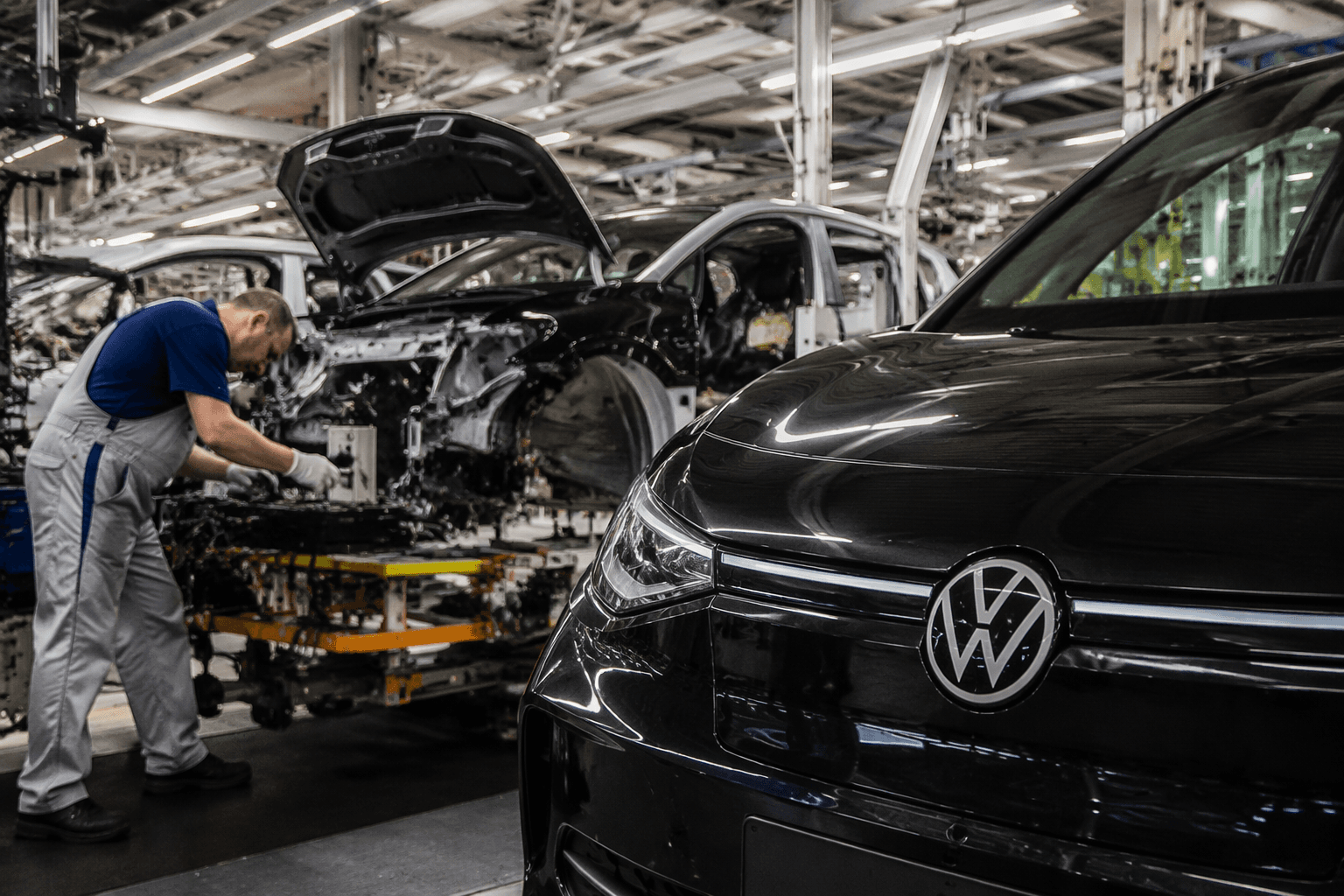
The comments land at a sensitive moment for the auto sector, where Chinese manufacturers are expanding quickly in electric vehicles and related technologies while European incumbents face weaker demand, high costs and intense pressure to cut capacity. For companies with under-used plants, the attraction for a Chinese buyer is clear. A local foothold in Germany would reduce exposure to import restrictions and any retaliatory tariffs that might hit cars shipped from China.
The debate has already reached the workplace. In May, Germany’s IG Metall union said it did not reject the idea of Volkswagen opening under-used plants to Chinese automakers outright, but stressed that each proposal should be assessed carefully. That caution reflects fears over jobs, technology transfer and the long-term direction of Germany’s auto industry, especially in eastern regions such as Saxony where manufacturing remains central to local employment.
Volkswagen sits at the center of that discussion. Any Chinese interest in a VW plant would carry economic and symbolic weight far beyond a single factory, because the company remains a pillar of Germany’s industrial base. Panter’s remarks suggest a broader policy dilemma for Europe: tariffs designed to defend domestic industry can also make distressed assets more appealing to the foreign companies they are meant to deter.
This article was produced by Prism’s automated news system from verified source data, official records, and press releases, then run through automated quality and moderation checks before publishing. The system is built and supervised by the people who set the standards it runs under. Read our full AI policy.
Did this article answer your question?