FIFA mandates hydration breaks for every 2026 World Cup match
FIFA ordered three-minute hydration stops in every 2026 World Cup match, betting player safety will outweigh broken rhythm, extra commercials and fan frustration.
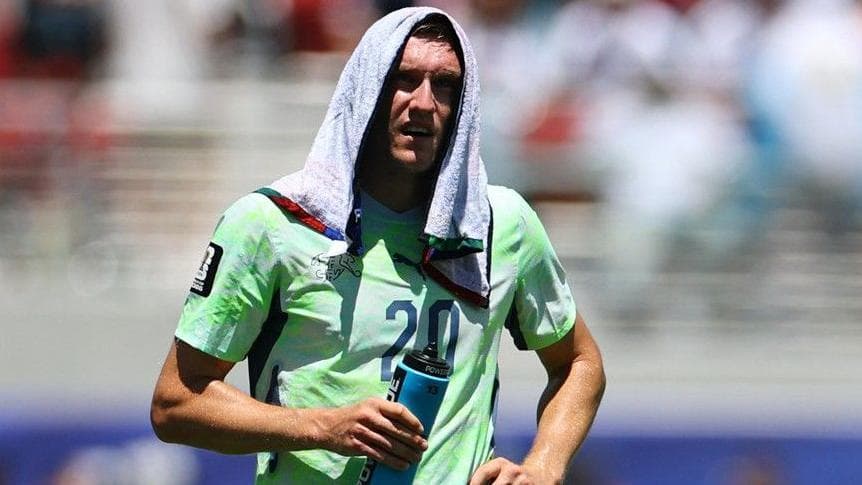
Every 2026 World Cup match will pause twice for three-minute hydration breaks, even if the weather does not seem extreme. FIFA said the rule was built around player welfare as the tournament prepares for the first 48-team World Cup, staged across Canada, Mexico and the United States.
The policy marks a more standardized response to heat than the game has used before. Under the International Football Association Board’s Laws of the Game, a match is played in two 45-minute halves, and only a short drinks break of no more than one minute is allowed at the interval of half-time in extra time. FIFA’s plan goes further, putting a midway break into each half of every match.
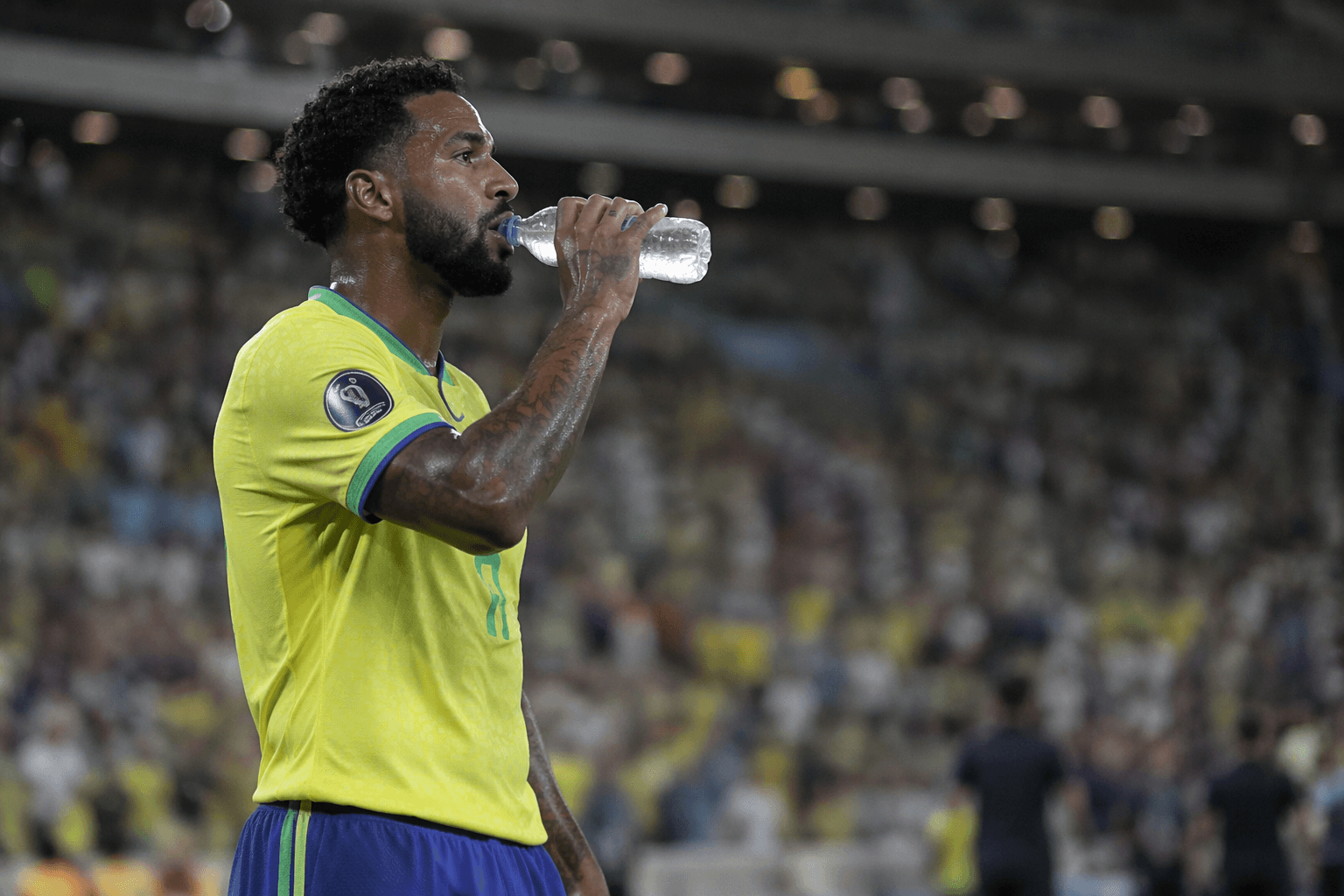
FIFA said the decision came after consultation with coaches and broadcasters. That detail matters because the practical effect reaches well beyond the bench. A three-minute stoppage can change tempo, interrupt momentum and alter the competitive rhythm that teams build over 90 minutes. It also creates a new layer of broadcast inventory at a tournament already expected to draw massive television audiences and commercial pressure.
The push for mandatory breaks reflects the climate reality hanging over summer soccer. The World Cup will be played in North America during a season when heat can strain players, spectators and stadium operations alike. The issue is no longer only about whether a squad can recover from a hot spell on the field; it is also about whether fans can safely sit through matches, whether broadcasters can stage live coverage without repeated interruptions, and whether the sport can keep fitting into the traditional summer calendar.
Player reactions from other recent events have sharpened the concern. ESPN reported that Argentina midfielder Enzo Fernández said he felt “dizzy” in “very dangerous” temperatures at last summer’s Club World Cup in the United States. That kind of warning has helped push heat management from a minor scheduling issue to a central public health and performance problem.
Still, the policy has prompted skepticism. Critics and some fans have questioned whether hydration breaks are purely about safety or whether they also serve as premium commercial pauses for rights holders. Supporters argue that when temperatures rise, the sport needs a rule that protects players and helps avoid preventable health risks for everyone inside the stadium.
For the 2026 World Cup, the biggest winners may be players, trainers and medical staffs trying to manage heat stress. The clearest losers may be teams that want to maintain pressure, purists who dislike interruptions and viewers who see every pause as one more sign that summer tournaments are becoming harder to stage in their old form.
This article was produced by Prism’s automated news system from verified source data, official records, and press releases, then run through automated quality and moderation checks before publishing. The system is built and supervised by the people who set the standards it runs under. Read our full AI policy.
Know something we missed? Have a correction or additional information?
Submit a Tip