FIFA plan to sell stakes in World Cup sparks backlash
FIFA gave 211 member associations until Sept. 19 to back a plan that could let outside investors buy into a $20 billion World Cup commercial arm.
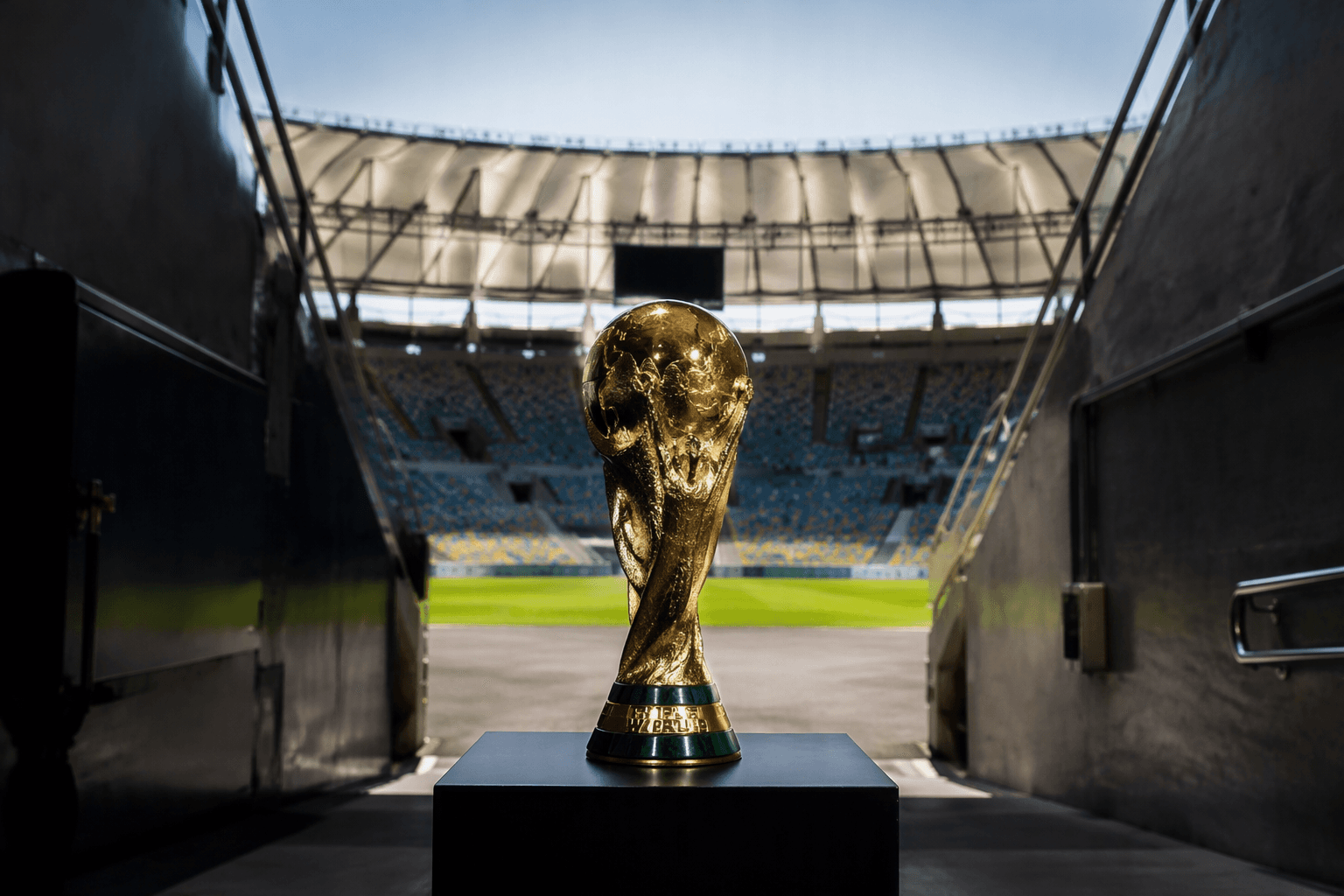
FIFA has set Sept. 19 as the deadline for its 211 member associations to approve a proposed commercial spin-off that could sell minority stakes in the World Cup and other major competitions. The plan, built around a new entity called FIFA Forward Enterprise, has set off a global fight over who controls football’s most valuable assets and who gets paid from them.
Reuters reported the proposed subsidiary could be valued at about $20 billion and would allow FIFA to sell up to 20 percent to outside investors. Under one version of the deal, each federation would receive about $20 million; other coverage put the figure as high as $40 million, a sign of how much the proposal is still being debated inside the game. FIFA president Gianni Infantino has told members they will not be forced to back the plan.
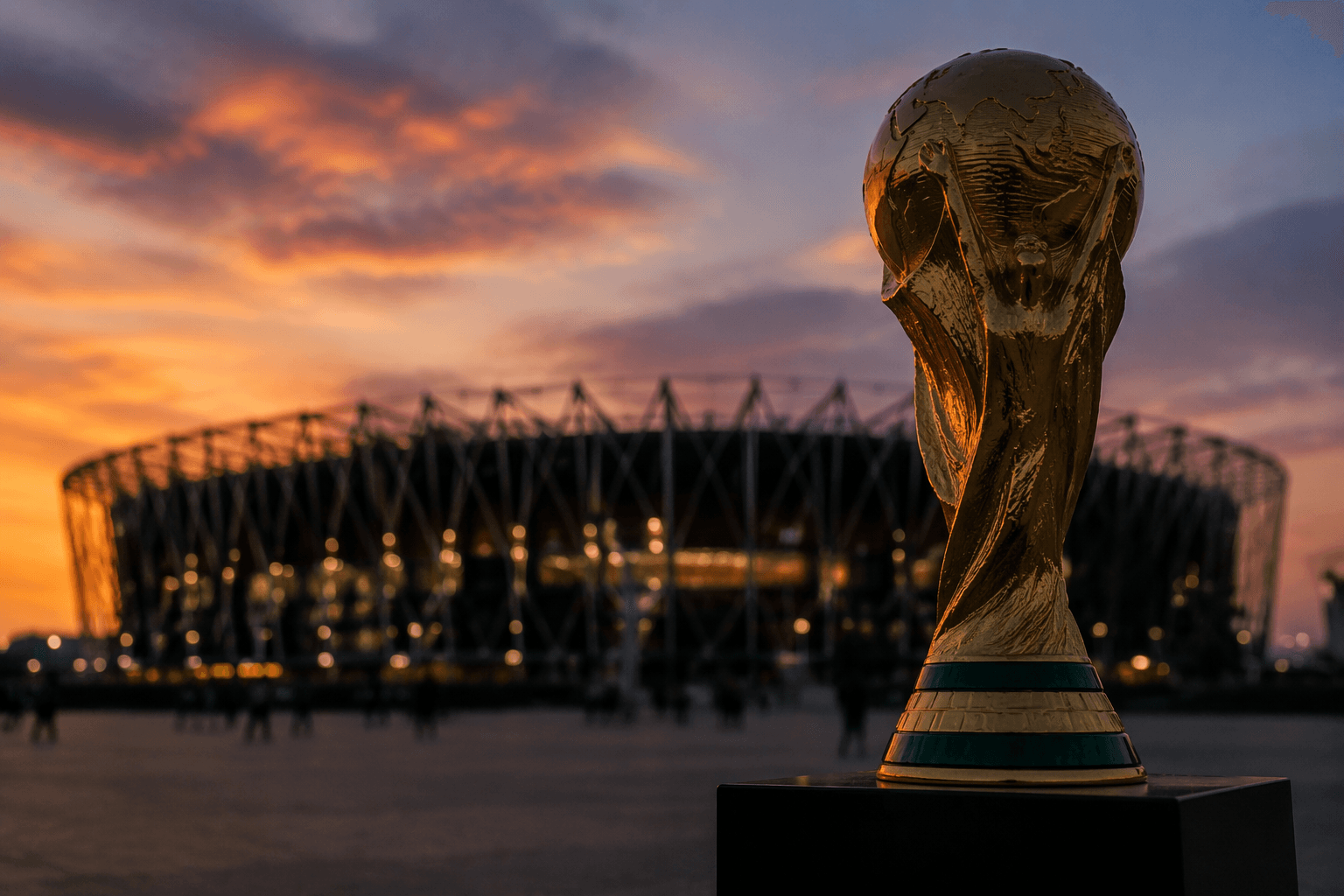
The backlash has centered on governance as much as money. Regional confederations said they were blindsided by the move, and UEFA has been among the loudest critics, with an emergency meeting called to discuss a response. UEFA president Aleksander Ceferin has emerged as one of the proposal’s most prominent opponents, while criticism from across the sport has framed the idea as something "not FIFA's to sell" and, in harsher language, a sale of the "soul of football."
What FIFA would be monetizing is not a side business but the commercial engine of global football: the World Cup and the other tournaments that sit at the top of its calendar. By folding those assets into a new vehicle, FIFA would be creating a structure that could raise private capital while concentrating control over revenue, sponsorship and long-term distribution at the center of the sport. That is exactly why federations and clubs are uneasy. A share sale may bring fresh cash to national associations, but it also puts a price on rights that many see as collective property.
FIFA is presenting the proposal as an extension of its existing development model. Its FIFA Forward program already describes itself as a "step change" for global football development and a way to share World Cup success with member associations. The new enterprise borrows that language while shifting the center of gravity toward investment and commercialization, a move that could leave FIFA stronger financially but more exposed politically.
The row has spread quickly well beyond Zurich. AP, BBC Sport, ESPN, CNN, Fortune, Sky Sports and The Guardian all published coverage on July 29, showing how rapidly the proposal turned into an international governance dispute rather than a narrow financial pitch. In the end, the biggest winners would be the investors and FIFA’s central commercial arm if the deal goes through; the biggest losers could be the federations, confederations and clubs that fear the World Cup’s autonomy would be traded for private capital.
This article was produced by Prism’s automated news system from verified source data, official records, and press releases, then run through automated quality and moderation checks before publishing. The system is built and supervised by the people who set the standards it runs under. Read our full AI policy.
Did this article answer your question?