FIFA publishes World Cup 2026 squads for expanded 48-team tournament
FIFA’s 48-team World Cup will bring 891 first-timers and a 17-year-old Mexico midfielder into a 1,248-player field shaped by youth and continuity.
FIFA has locked in the final squad lists for the 2026 World Cup, and the numbers point to a tournament unlike any before it. With 48 teams, 104 matches and 1,248 players spread across Canada, Mexico and the United States, the first expanded edition is already reshaping the competitive profile before a ball is kicked. Each nation may name 26 players, including at least three goalkeepers, a format that gives coaches more room to balance experience, physical load and tactical flexibility.
The clearest signal is the split between established names and newcomers. FIFA says 357 players in the tournament are returning after at least one previous World Cup squad inclusion, while 891 are set to make their World Cup debut. That is a striking ratio for a competition long defined by familiar cores and hardened veterans. The scale of the expansion means more countries are bringing in younger, less-tested squads, and more are betting that energy, speed and depth can offset the old assumption that only the most battle-worn teams can survive June and July.
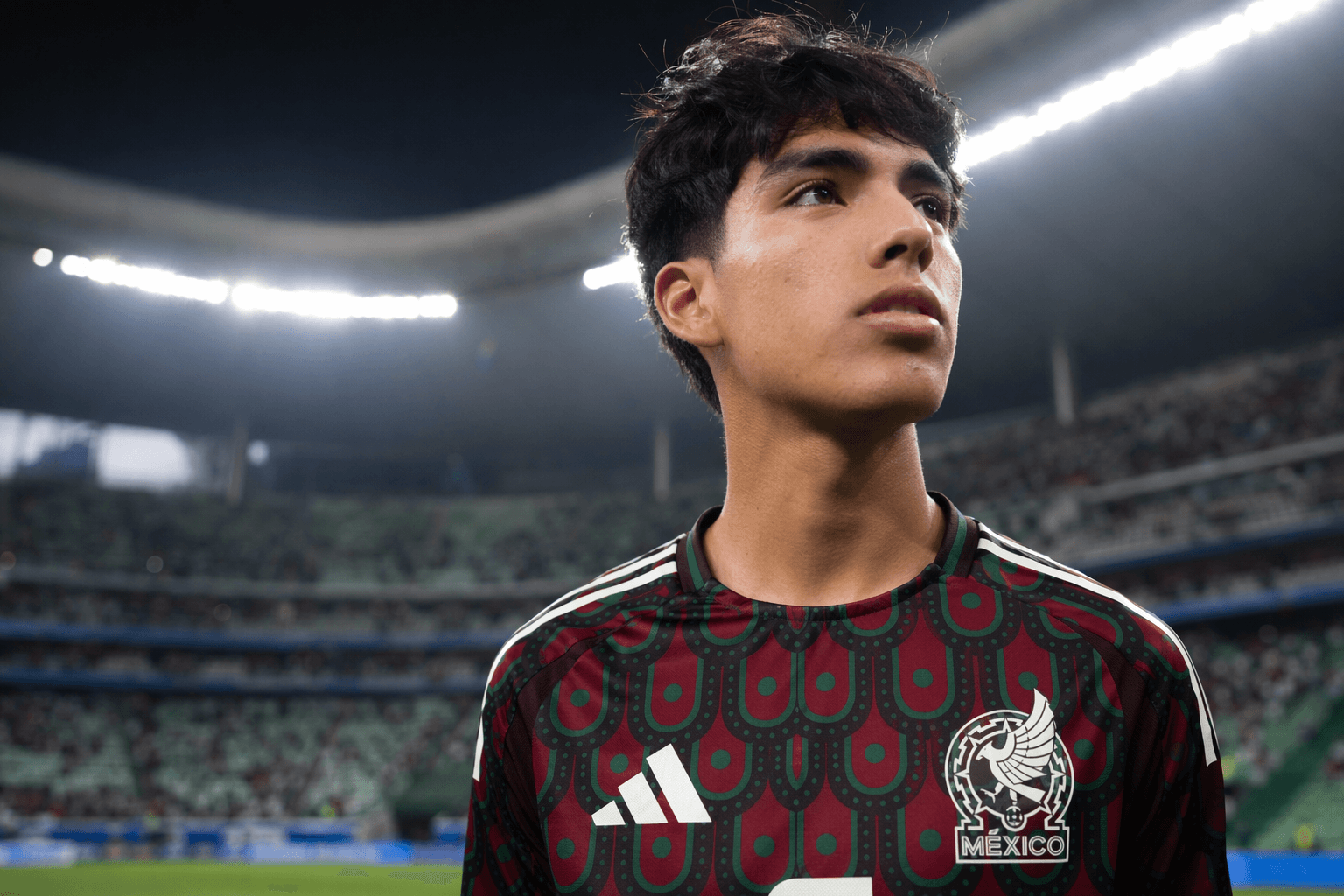
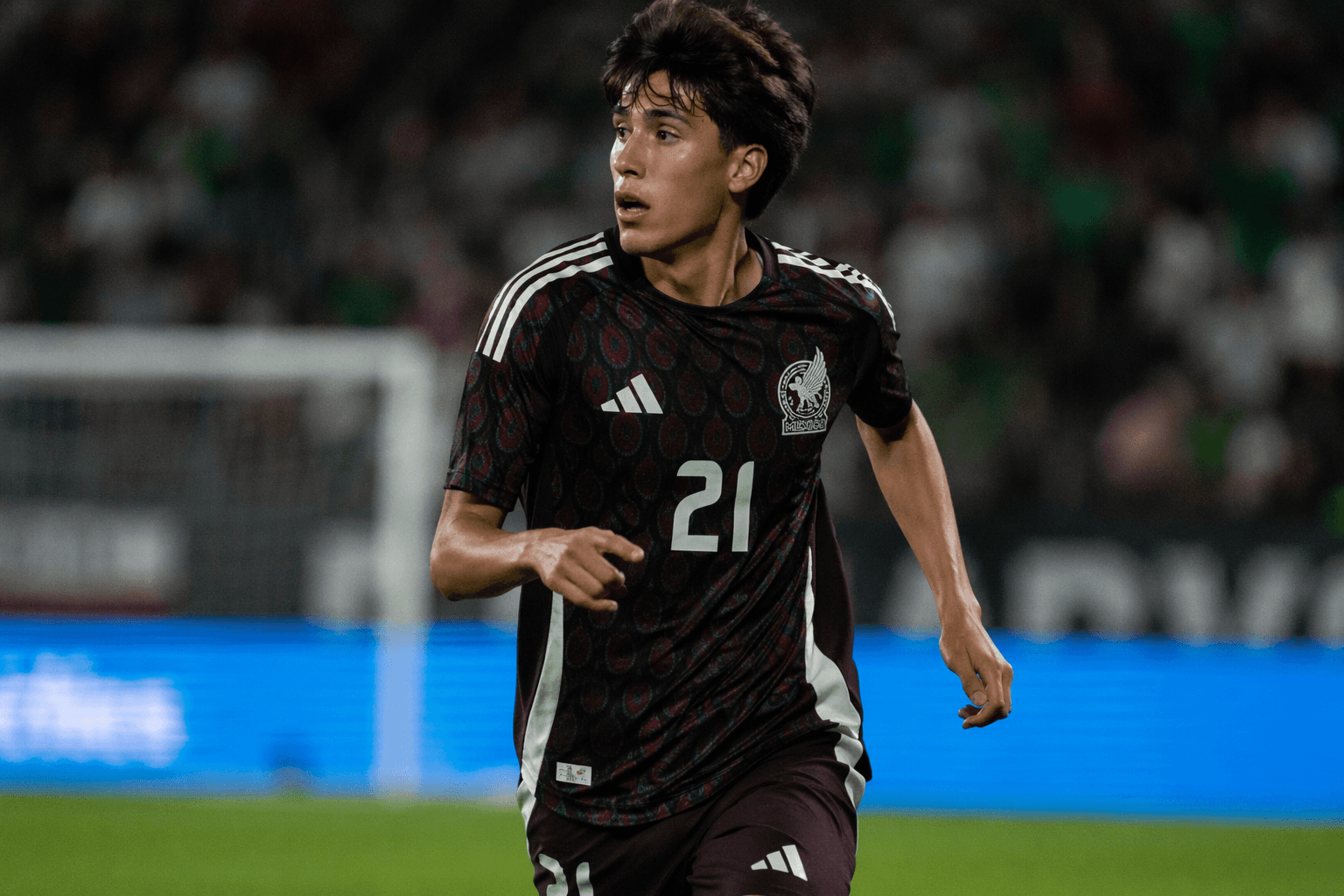
The age range reinforces that shift. Scotland goalkeeper Craig Gordon is the oldest player named in the squads at 43 years and 162 days, while Mexico midfielder Gilberto Mora is the youngest at 17 years and 240 days. That span of nearly 26 years captures the tension at the heart of the tournament: continuity on one side, generational turnover on the other. In practice, it suggests squads built not just around elite starters, but around players who can handle the strain of a longer competition and a more demanding travel schedule.
The competition will open on June 11 at Mexico City Stadium, where Mexico will face South Africa in the first of the 104 matches. Canada will begin against Bosnia and Herzegovina in Toronto, and the United States will open against Paraguay in Los Angeles. The final is scheduled for July 19 at New York New Jersey Stadium. Mexico City Stadium will host a World Cup opener for the third time, the first venue ever to do so, a fitting marker for a tournament that is moving the World Cup’s center of gravity across 16 host cities while asking old contenders to prove they can adapt to a much broader field.
This article was produced by Prism’s automated news system from verified source data, official records, and press releases, then run through automated quality and moderation checks before publishing. The system is built and supervised by the people who set the standards it runs under. Read our full AI policy.
Know something we missed? Have a correction or additional information?
Submit a Tip