Fifteen dead after residential collapse shakes Tripoli's Bab Tabbaneh neighborhood
Fifteen people died and dozens were hurt after a building collapse in Tripoli, exposing long‑standing infrastructure failures and stoking local outrage.
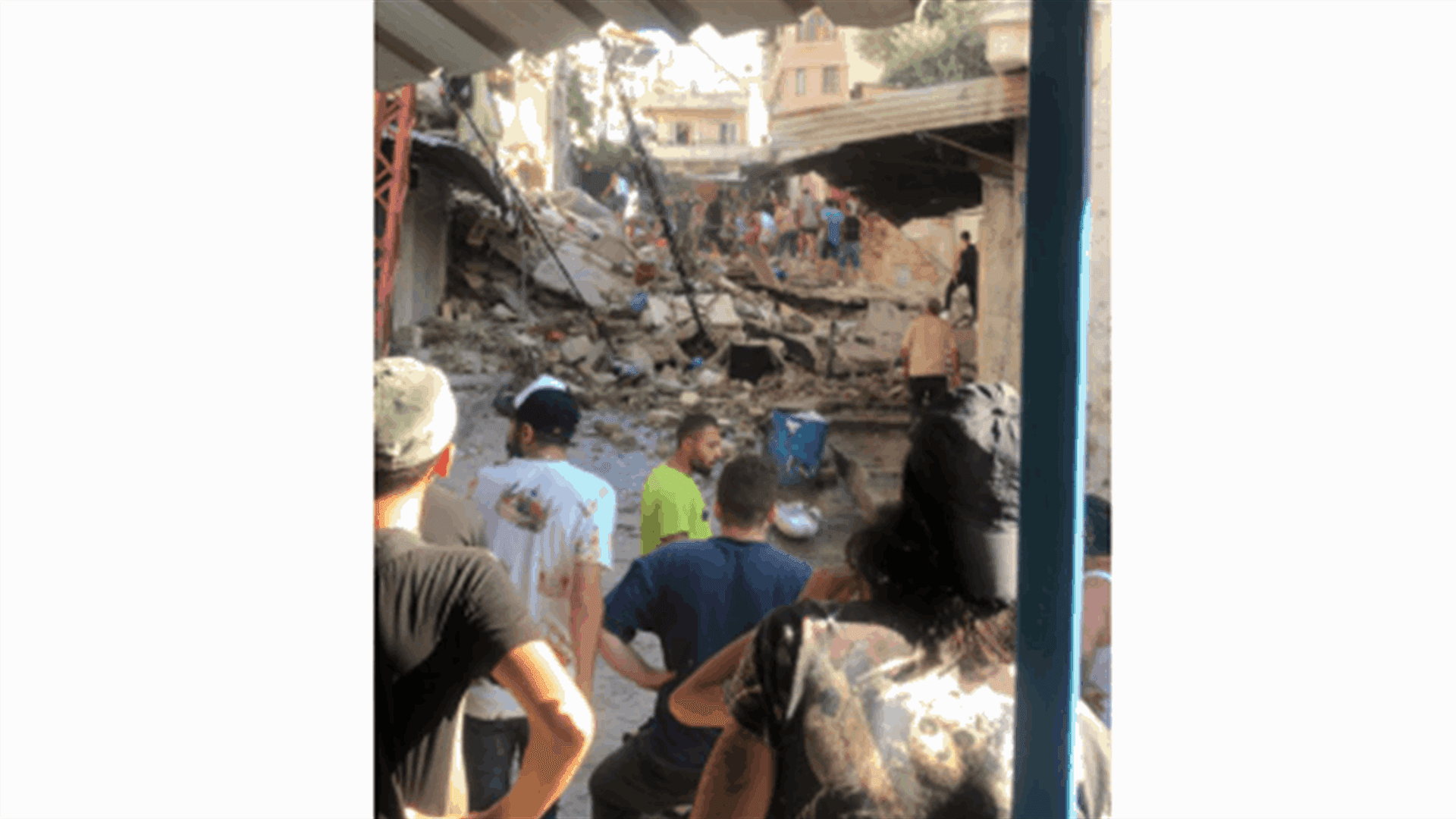
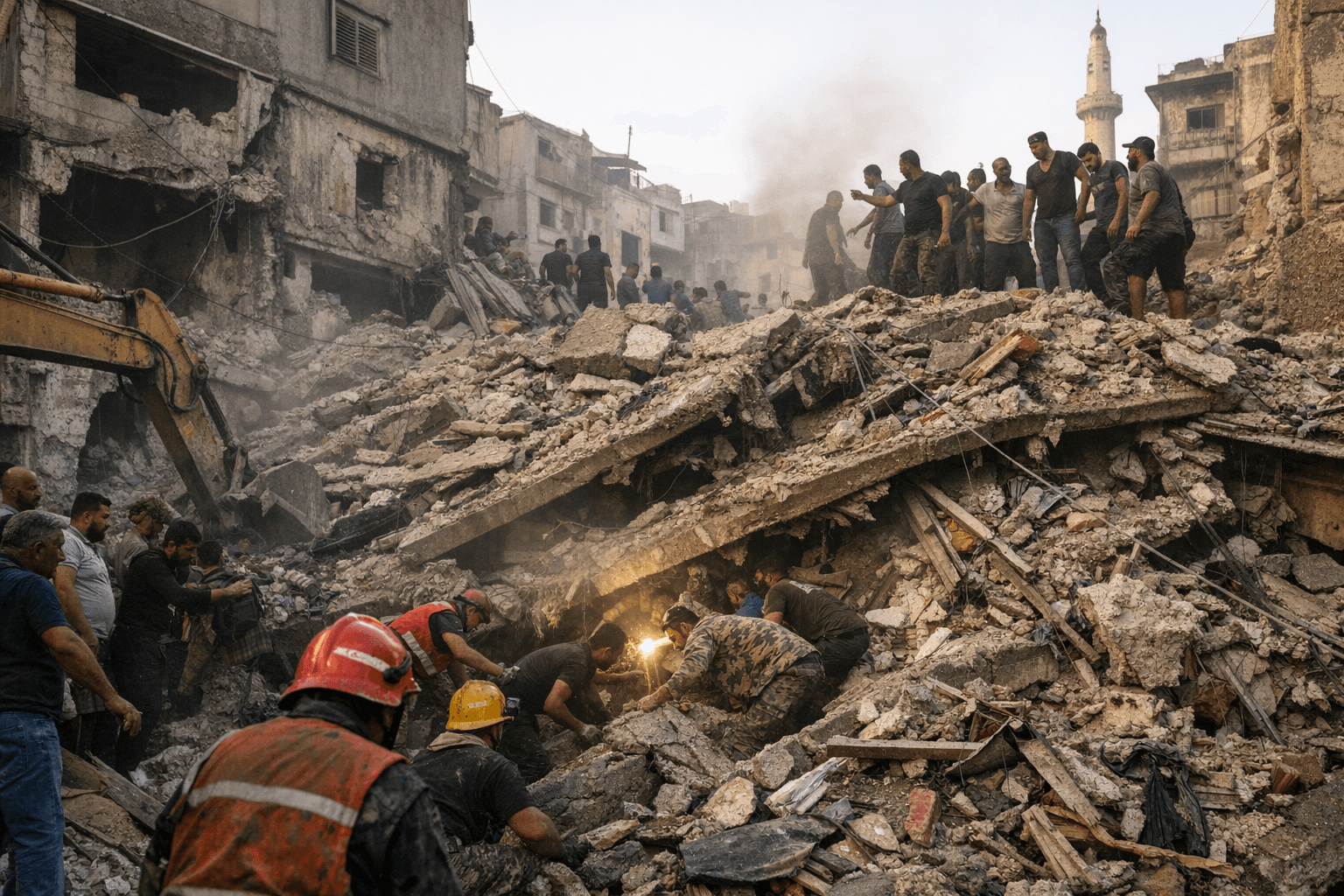
Fifteen people were killed after a residential structure collapsed in Tripoli’s Bab Tabbaneh neighborhood, state media and civil defence officials said, as rescue teams pulled survivors from the rubble and authorities pledged an investigation.
Rescue workers pulled eight people alive from the wreckage and treated additional injured at nearby hospitals, while state‑run outlets and the civil defence chief put the overall death toll at 15 after search operations concluded. Officials also reported eight people injured and said at least one person suffered a gunshot wound. Surrounding buildings were evacuated amid fears of further structural failures.
Accounts of what failed differed in initial reports. Some officials and witnesses described a single six‑storey apartment building collapsing Sunday afternoon, while other sources said two adjoining residential buildings gave way. Local residents gathered around the crater left by the collapse and fired shots into the air in a display of grief and anger. “How it came down, nobody knows,” a resident said.
The collapse has reignited long‑running complaints in Tripoli about neglected infrastructure and shoddy construction practices. Bab Tabbaneh, one of the city’s poorest neighborhoods, has repeatedly been cited by residents as suffering from weak municipal oversight and limited public investment. Building failures are not uncommon in Tripoli, where inspectors and regulatory bodies have struggled to enforce safety standards amid broader economic and political turmoil.
Officials promised legal measures against those found responsible and said a formal probe would seek to determine causes and accountability. The pledge reflects heightened public pressure after a heavy casualty count that has prompted local outrage. Families and neighbors called for swift identification of victims and clearer information about the stability of nearby structures.
The collapse also underscores broader governance challenges in Lebanon. Years of financial crisis, political paralysis and reduced state capacity have eroded public services and regulatory enforcement, contributing to hazardous living conditions in marginalized areas. From an international law perspective, the incident highlights states’ obligations to protect the right to life and safe housing, obligations that domestic authorities and international partners often cite when assessing humanitarian and development assistance.
Beyond immediate rescue and recovery, experts say the episode will likely prompt calls for technical assessments, stricter building codes and improved municipal oversight. Donors and foreign missions that follow Lebanon closely may view the disaster as another indicator of systemic risk in a country already coping with economic collapse and social strain. For residents of Bab Tabbaneh, the immediate need is simple and urgent: accounting for the dead and injured, temporary shelter for the displaced, and assurances that similar tragedies will be prevented.
Authorities did not release a full list of victims or a timetable for the investigation at the time officials concluded search operations. For now, neighbors and civil defence teams are left to clear debris, support survivors and press for answers to how a residential block could fall with such deadly consequences.
This article was produced by Prism’s automated news system from verified source data, official records, and press releases, then run through automated quality and moderation checks before publishing. The system is built and supervised by the people who set the standards it runs under. Read our full AI policy.
Did this article answer your question?


