U.S. and Armenia complete negotiations on a 123 nuclear cooperation agreement
U.S. and Armenia conclude negotiations on a 123 peaceful nuclear cooperation statement, a potential pivot in Armenian energy and U.S.-Armenian ties.

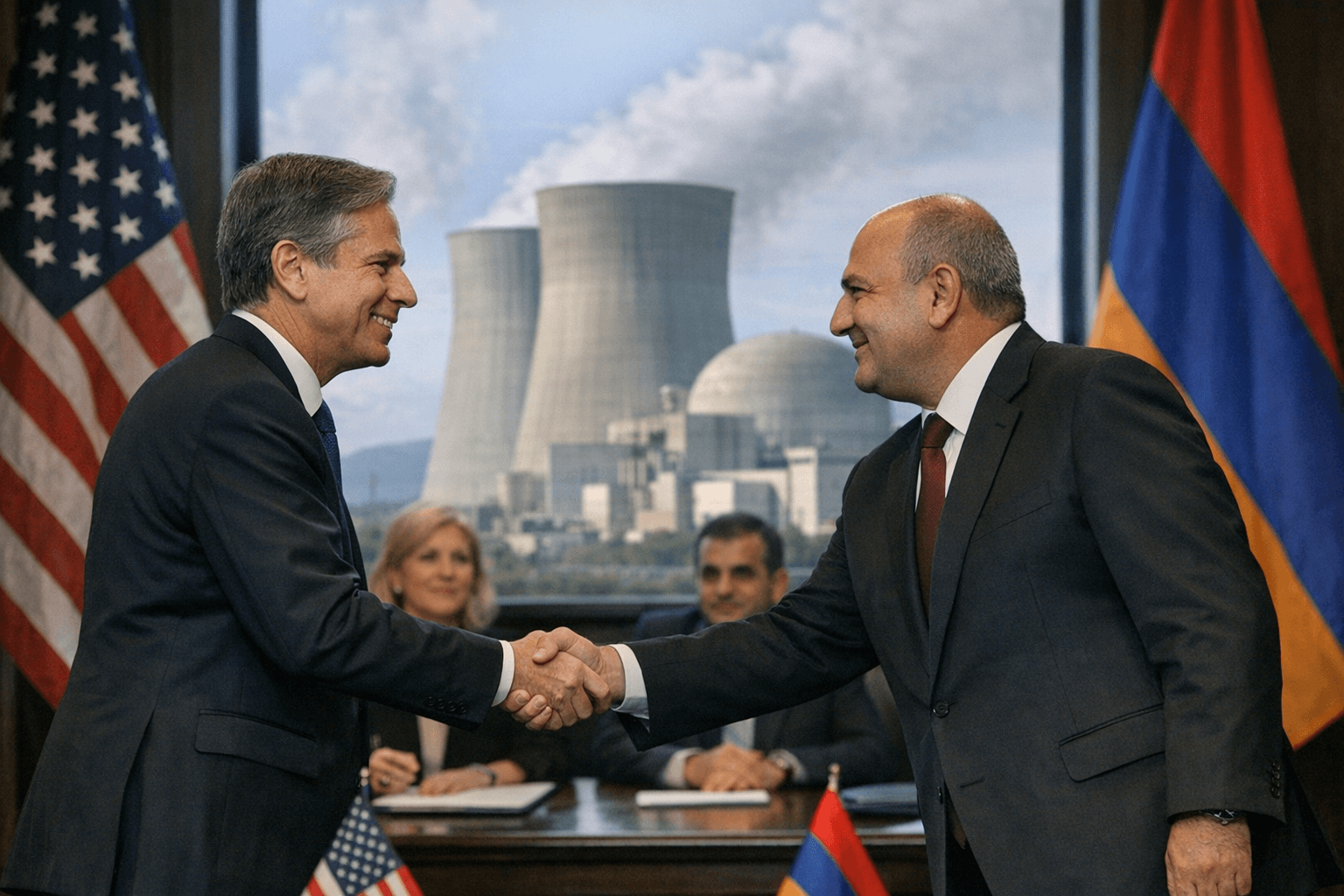
Vice President J.D. Vance and Armenian Prime Minister Nikol Pashinyan signed a joint statement in Yerevan concluding negotiations on an Agreement for Peaceful Nuclear Cooperation, commonly known as a 123 agreement. The document, signed at the President’s Residence, was presented at a joint briefing after a private meeting between the two leaders.
“Minutes earlier, Vice President Vance and I signed a joint statement between the governments of Armenia and the United States concluding negotiations on the 123 agreements on cooperation in peaceful nuclear energy. This agreement will open a new chapter in the deepening Armenian-American energy cooperation and will promote Armenia's energy diversity,” Pashinyan said at the briefing, characterizing the pact as a landmark for Armenia’s search for new energy partners.
U.S. officials framed the statement as a step that would allow expanded transfer of U.S. civil nuclear technology and related equipment under established safeguards. Vance said the agreement would allow up to $5 billion in initial U.S. exports to Armenia, plus an additional $4 billion in longer-term fuel and maintenance contracts, figures provided by the U.S. delegation. He also announced a separate defense sale, specifying “$11 million in surveillance drone technology,” and added, “He’s (Pashinyan) gonna use that to secure his country and to make sure that the peace we’re creating sticks.” Vance followed with: “That means, for the United States, more jobs and more investment in our own defense technology sector.”
Armenia’s government has framed the nuclear cooperation as part of a broader strategy to diversify energy supplies and modernize its nuclear infrastructure. The country relies on the Soviet-era Metsamor plant for a significant share of its domestic electricity, and Yerevan has been reviewing proposals from a range of international suppliers for future reactor options, including small modular reactor technologies. Officials described the signed statement as concluding technical and diplomatic negotiations rather than completing every procedural or legal step required to implement a full bilateral nuclear cooperation accord.
The agreement will deepen a nascent strategic alignment between Washington and Yerevan that has intensified since a recent U.S.-brokered peace process in the South Caucasus. Armenian leaders signaled gratitude for American support on nuclear security and indicated readiness to expand sectoral cooperation on technologies they described as safe and innovative. The visit and the statement also carried security elements; officials confirmed the purchase of U.S. reconnaissance drones to bolster Armenian monitoring capabilities.
The pace and shape of implementation will matter to regional capitals. Moscow and Tehran have long supplied energy and security links to Yerevan, and any shift toward U.S. nuclear and defense technology is likely to reverberate across the South Caucasus and beyond. The Armenian government and U.S. agencies did not provide a public timetable for follow-on approvals or operational milestones in the joint statement. Observers noted that further administrative and regulatory steps will be required in both capitals before sales, construction or fuel arrangements proceed.
Vance’s two-day visit was presented by officials as a milestone in bilateral relations. The joint statement marks a tactical advance in U.S.-Armenian cooperation; the political and legal work to translate it into concrete projects will now move to the next phase.
This article was produced by Prism’s automated news system from verified source data, official records, and press releases, then run through automated quality and moderation checks before publishing. The system is built and supervised by the people who set the standards it runs under. Read our full AI policy.
Did this article answer your question?


