Final Oct 7 hostage's remains returned, Israel ends wrenching chapter
Israelis observed the return and identification of Ran Gvili's remains, closing a painful chapter after more than two years of war and uncertainty.
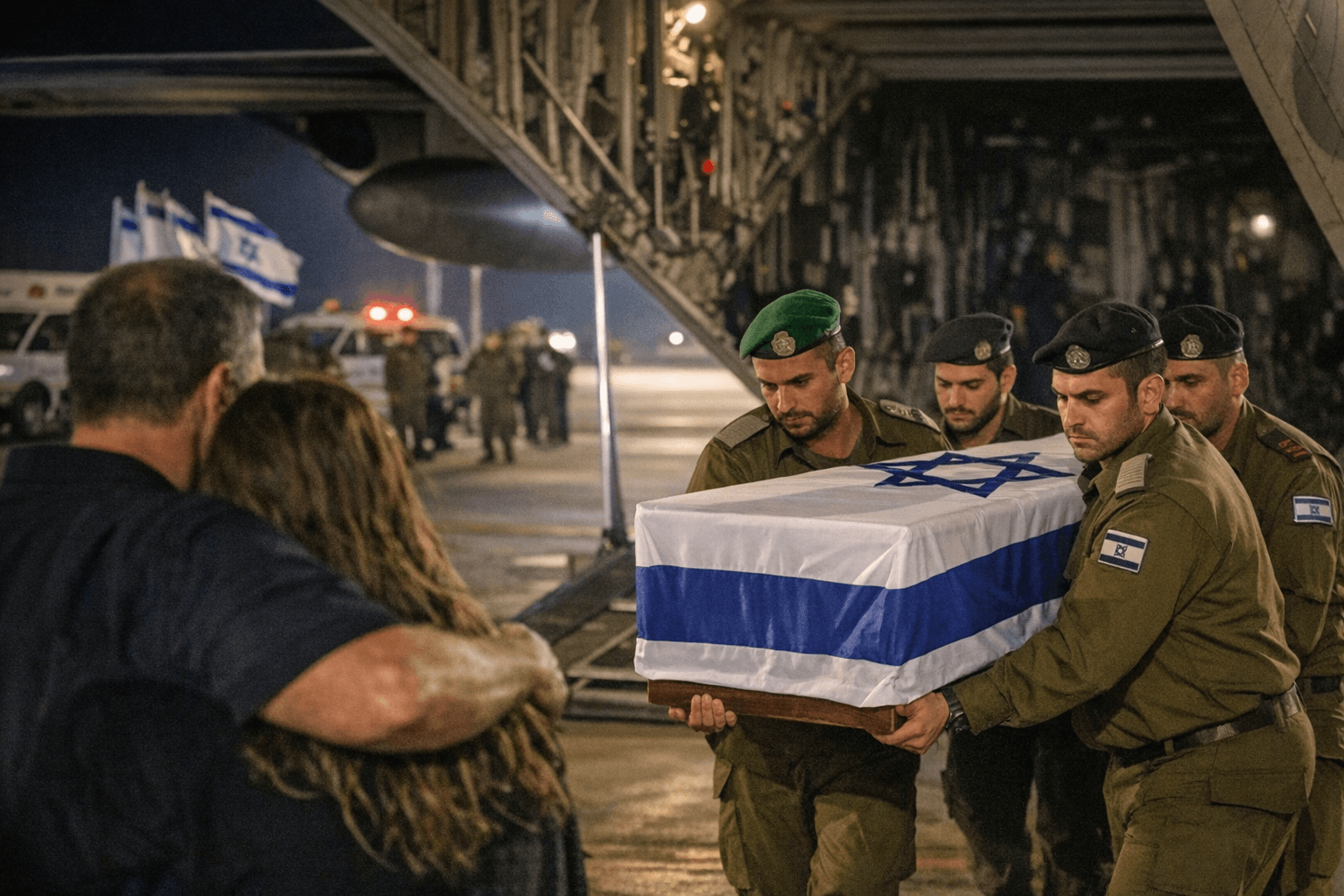
The remains of Ran Gvili, identified on Jan. 27, 2026, were returned to Israel in a somber ceremony that many families and communities described as the close of a painful chapter that began with the Oct. 7, 2023 attacks. Public memorials, military honors and private gatherings marked the day as officials and citizens sought to reckon with years of loss, unanswered questions and national trauma.
The return of the last confirmed hostage carried significance beyond personal closure. For families who had lived for more than two years with the limbo of unresolved fates, identification created an end point to the open wound that shaped daily life, politics and public discourse. Ceremonies across the country drew representatives of the military, civil authorities and community leaders, and sparked broad public reflection on the human toll of the conflict.
The event also sharpened immediate political calculations in Jerusalem. The government, which has faced intense scrutiny over military strategy, negotiations with militants and prisoner exchange policy since 2023, now confronts a different set of pressures. With the last hostage accounted for, political energy may shift from hostage-focused diplomacy to questions about reconstruction, long-term security arrangements and the management of displaced populations. That reorientation could influence legislative priorities and the timing of any renewed diplomatic initiatives in the region.
Economic consequences of the extended conflict have been profound and will shape the policy response to this moment of closure. Years of heightened military activity have increased public spending on defense and emergency services while disrupting commerce, tourism and investment. The return of the final remains is unlikely to erase these effects quickly, but it may reduce one element of political and social uncertainty that has weighed on consumer confidence and foreign investor sentiment. Policymakers now face the task of balancing continued security needs with the fiscal demands of rebuilding infrastructure and reviving sectors hit hardest by insecurity.
Financial markets and businesses will likely interpret the development as an incremental reduction in tail risk rather than a decisive turning point. A sustained improvement in security conditions would be required to trigger a broader recovery in tourism, real estate and inward investment. Meanwhile, reconstruction and social support will require substantial public resources, which may keep pressure on the budget and complicate plans for tax reform or public investment in other priorities. Over the longer term, defense spending patterns that rose sharply after 2023 could shape government debt dynamics and crowd out other forms of spending unless offset by economic growth or external assistance.
Beyond the numbers, the return of Ran Gvili's remains underscores the human dimension that has driven much of Israel's domestic politics and international engagement throughout the conflict. Closure for families does not end the societal work of healing; it instead transitions the nation into a phase where the practical tasks of recovery, accountability and reconciliation will take center stage. How quickly and effectively those tasks are addressed will determine whether the emotional closure of one chapter can translate into sustained political stability and economic recovery.
This article was produced by Prism’s automated news system from verified source data, official records, and press releases, then run through automated quality and moderation checks before publishing. The system is built and supervised by the people who set the standards it runs under. Read our full AI policy.
Did this article answer your question?