Fire at Tata Steel Port Talbot prompts safety warning, road closures
Residents were told to stay indoors as smoke from a fire at Tata Steel Port Talbot spread across south Wales, while roads near the site were closed.
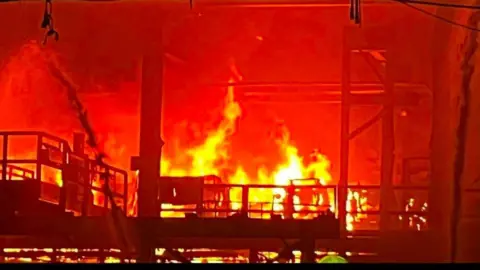
Residents near the Tata Steel Port Talbot site were told to keep windows and doors closed after a fire broke out on one of the plant’s processing lines at about 20:00 BST on Wednesday, 3 June 2026. South Wales Police said emergency services remained at the scene, and motorists were urged to avoid the area and use alternative routes where possible.
Tata Steel said staff were safely evacuated as crews worked to contain the blaze. Mid and West Wales Fire and Rescue Service attended the incident, while police said smoke was visible across the area. The public-safety warning put the focus squarely on air quality and access around one of Wales’s most important heavy-industry sites, where smoke drifted over Port Talbot and nearby roads were affected by the response.
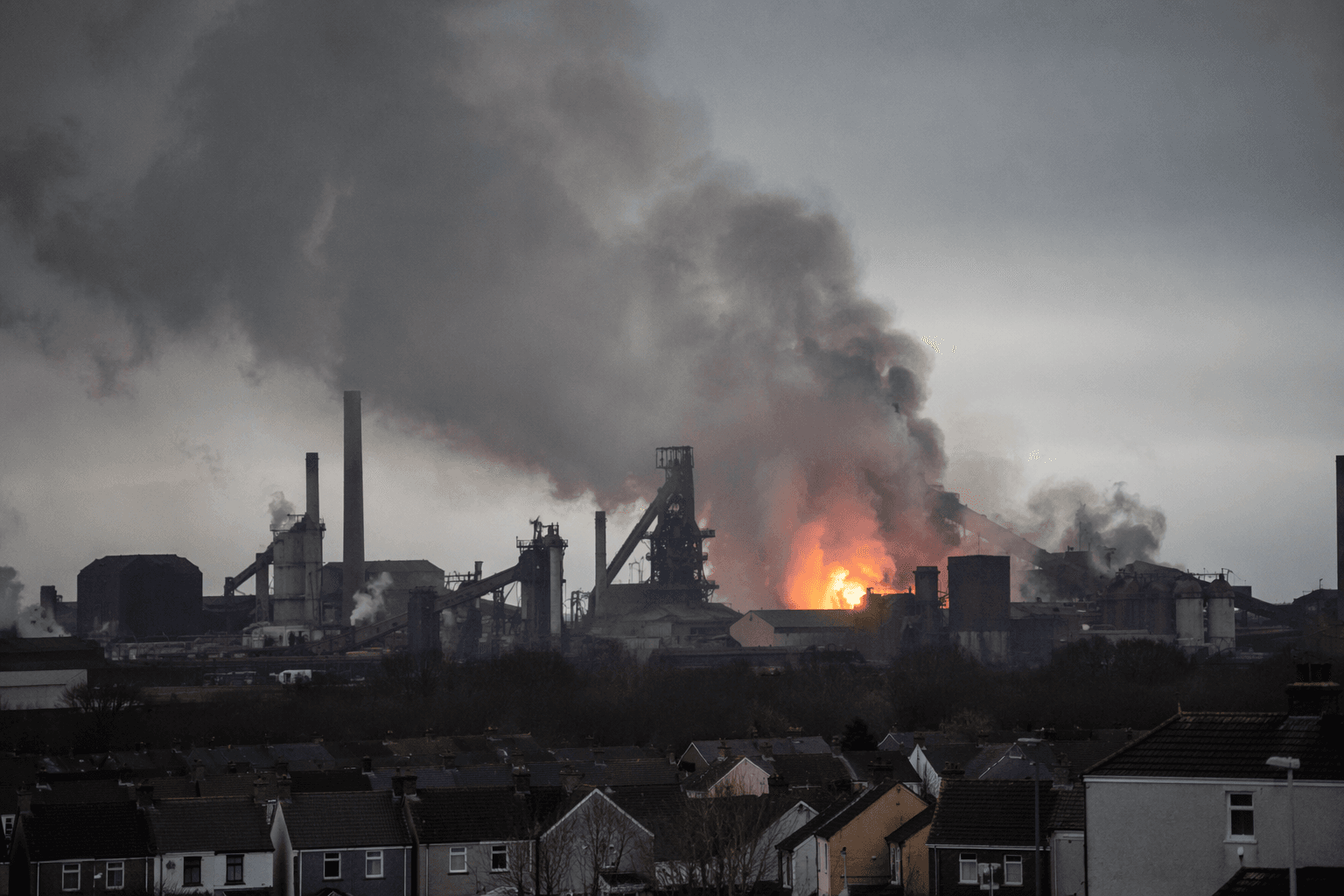
Witnesses described a dramatic scene. Kellie Evans said it looked “very apocalyptic,” while another resident said homes “shook” after a loud bang was heard from the steelworks. One witness said they could not see the flames because “the sky was so black.” Those accounts reinforced the scale of concern for people living near the plant, even as officials moved quickly to reassure residents that the workforce had been accounted for.
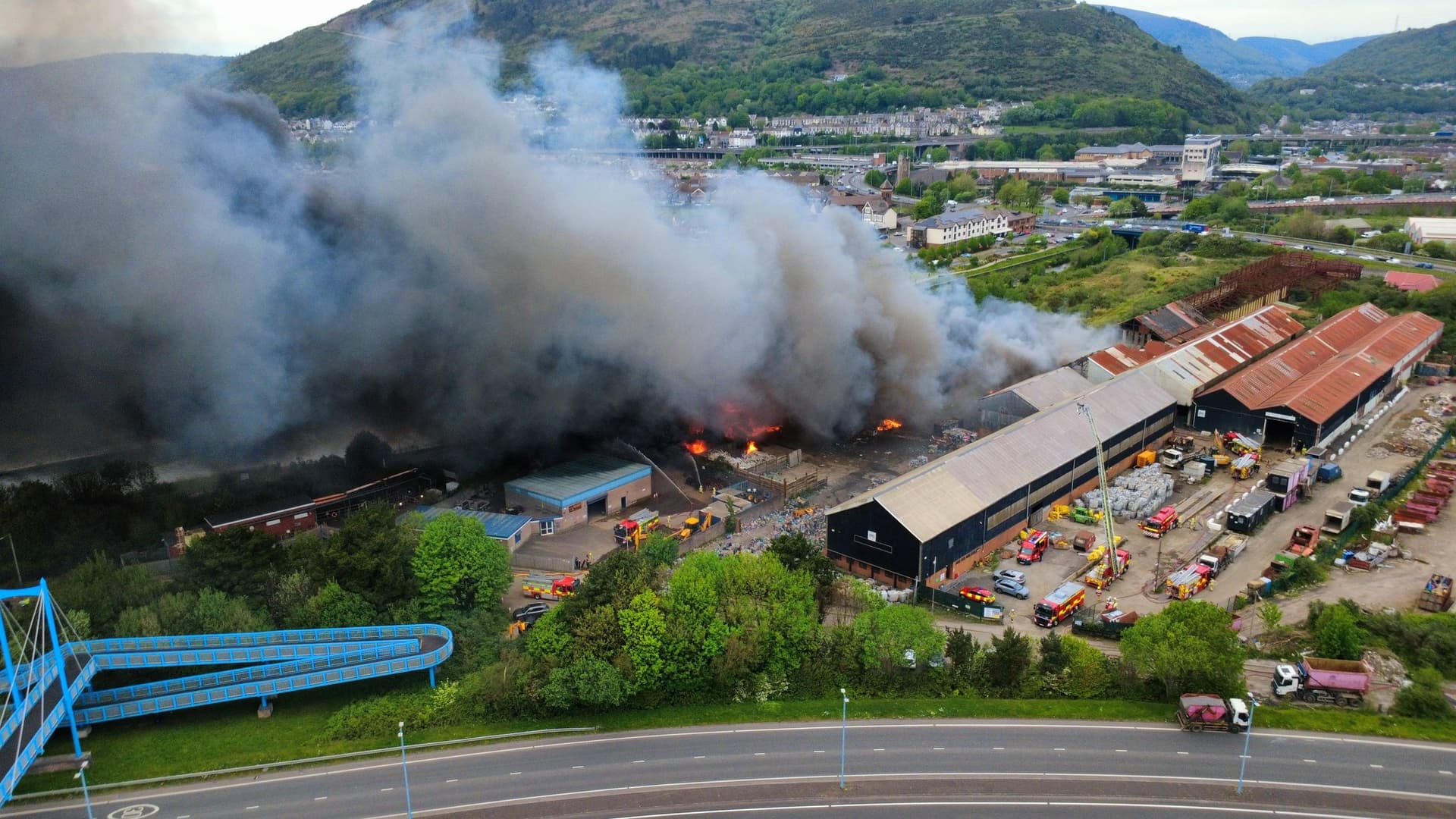
Tata Steel said the fire was not linked to the planned demolition of its redundant coke ovens gas holder, which took place the same evening and was completed safely. The company said that gas holder had ceased operation when Port Talbot’s heavy-end closed on 30 September 2024, the date when the last liquid iron was tapped from Blast Furnace 4 and over a century of primary steelmaking ended in the town.
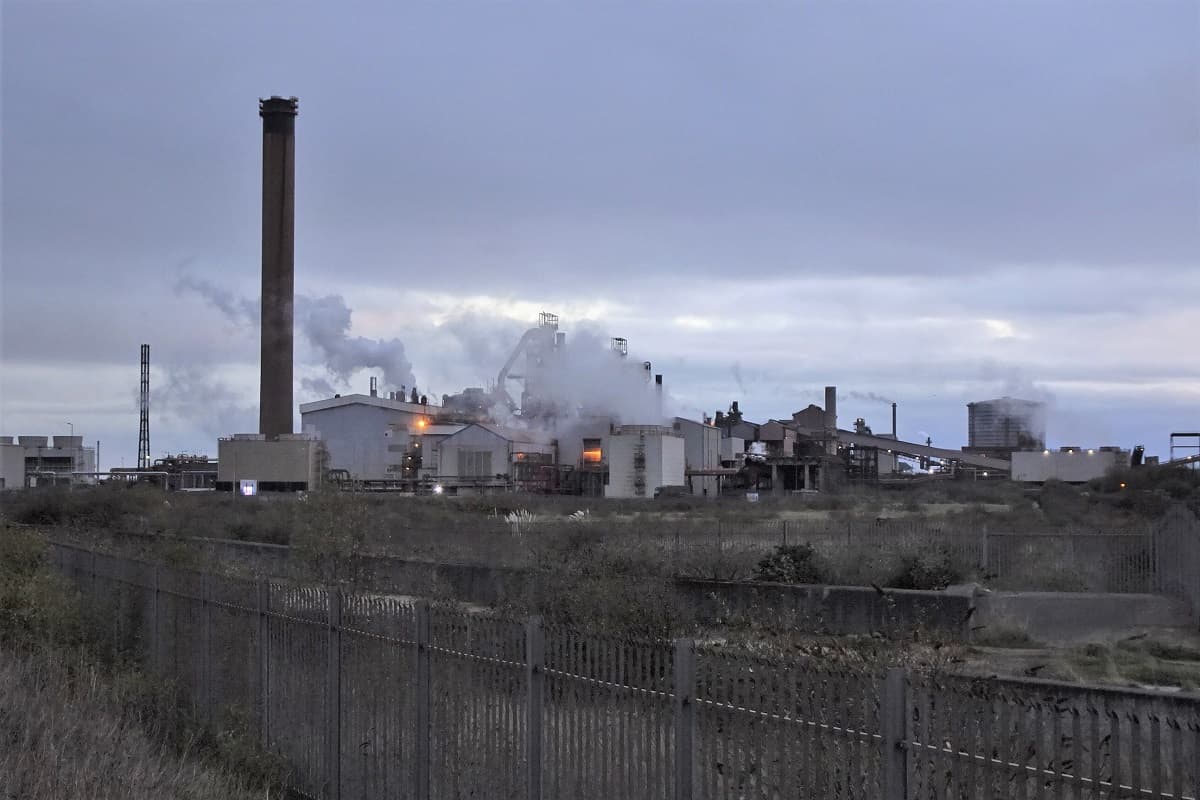
The incident comes as Port Talbot undergoes a major industrial reset, shifting toward scrap-based, low-CO2 electric arc furnace steelmaking. Tata Steel has said the new project will include a raw materials handling area with capacity for three million tonnes a year, underscoring how much now hangs on the safe management of aging infrastructure, demolition work and emergency readiness in a plant community still living through the end of the old steel era.
This article was produced by Prism’s automated news system from verified source data, official records, and press releases, then run through automated quality and moderation checks before publishing. The system is built and supervised by the people who set the standards it runs under. Read our full AI policy.
Know something we missed? Have a correction or additional information?
Submit a Tip