Fire on Elevated Cable Link Cuts Power to 50,000 in Berlin
A blaze on an elevated cable link in the Lichterfelde district has knocked out electricity to roughly 50,000 households and about 2,000 businesses, leaving emergency crews and criminal investigators at the scene. The outage highlights vulnerabilities in urban power infrastructure and raises questions about deliberate sabotage after authorities say the fire "may" have been caused deliberately.
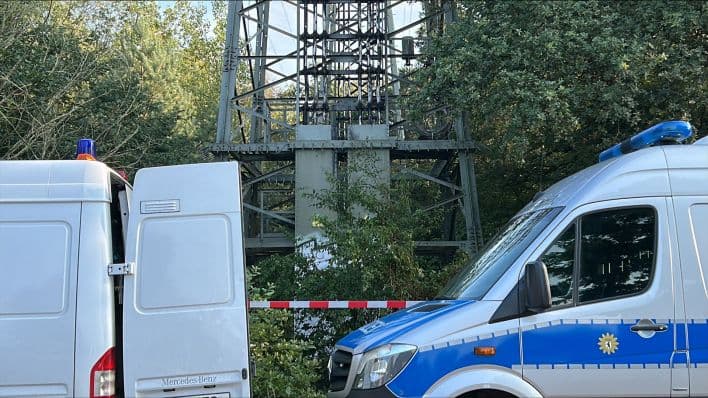
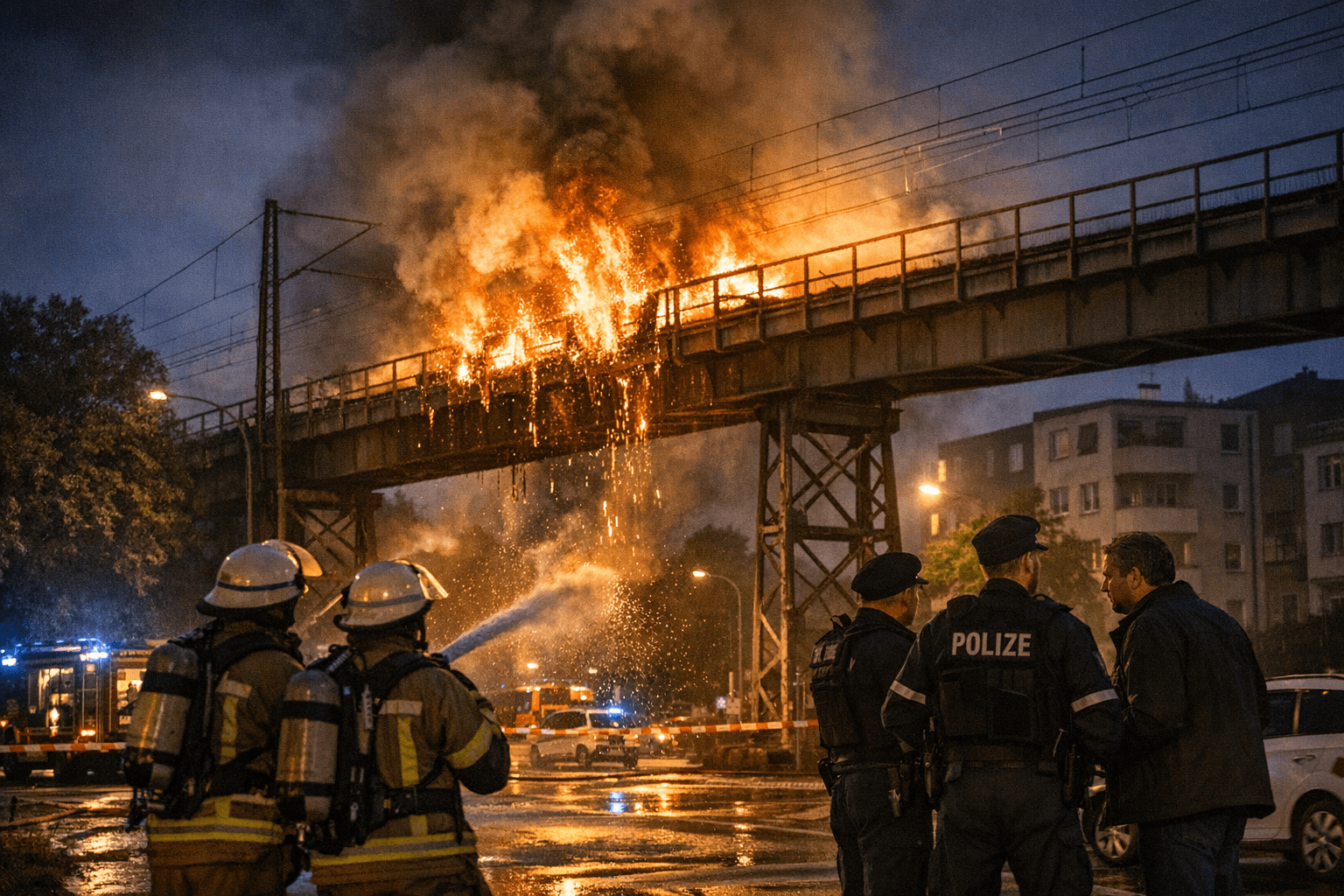
A fire that broke out early Saturday on an elevated cable link carrying lines toward the Lichterfelde power station has left roughly 50,000 households and about 2,000 commercial entities without electricity in southwest Berlin. Firefighters were alerted in the morning and later extinguished the blaze, while police and criminal investigators remain on site to determine whether the damage was accidental or deliberate.
The damaged structure, described locally as a cable bridge over the Teltow Canal, feeds a cluster of distribution circuits managed by Stromnetz Berlin. Emergency services responded promptly; police records show firefighters were alerted at about 05:45 GMT and a fire service spokesman cited a local alarm time shortly after 06:00. By mid-morning crews had put out the flames and were assessing structural and cable damage that has interrupted power and telecommunications.
Authorities said some critical facilities required assistance, including an elderly care home. Mobile phone services and landlines "might" be impaired as a result of the cable damage, complicating communication for residents and emergency responders. Photographs from the area showed crowds of commuters around Wannsee station and other local transport hubs as people adjusted to disrupted services.
Police described the incident as potentially intentional, saying the fire "may" have been caused deliberately. Criminal investigators were conducting forensic examinations at the site and interviewing witnesses. No arrests or charges have been announced and investigators have not yet released a conclusion on motive or method. Authorities are also examining whether the incident is related to a politically motivated attack in southeast Berlin last September that produced a similar outage; officials stressed that no confirmed link has been established.
The immediate economic impact is concentrated and local but material. A blackout affecting 50,000 households and 2,000 businesses can interrupt retail activity, halt small manufacturing operations, and impede services such as health care and assisted living, producing lost revenues and costs for emergency repairs. For utilities, damage to an elevated cable structure introduces both repair bills and potential regulatory scrutiny over resilience planning, particularly for critical crossings such as those over waterways.
Longer term, the outage underscores a broader trend in advanced cities: aging or exposed components of urban power networks constitute single points of failure. Policymakers and investors following infrastructure marketplaces will view incidents like this as a reminder that grid hardening, redundant routing and coordinated planning with telecom providers are priorities. For residents, the event raises questions about timeliness of restoration and contingency planning for vulnerable populations.
Stromnetz Berlin and Berlin police have said restoration and repair timelines will depend on the scope of physical damage and the outcome of the criminal probe. Officials urged affected residents to follow guidance from emergency services and utility updates as crews work to repair cables and restore normal service.
This article was produced by Prism’s automated news system from verified source data, official records, and press releases, then run through automated quality and moderation checks before publishing. The system is built and supervised by the people who set the standards it runs under. Read our full AI policy.
Did this article answer your question?