Firefly Aerospace set to win $110 million EXIM loan for Texas expansion
Firefly Aerospace was poised for a $110 million EXIM loan as Washington deepened its bet on domestic rocket and spacecraft production.
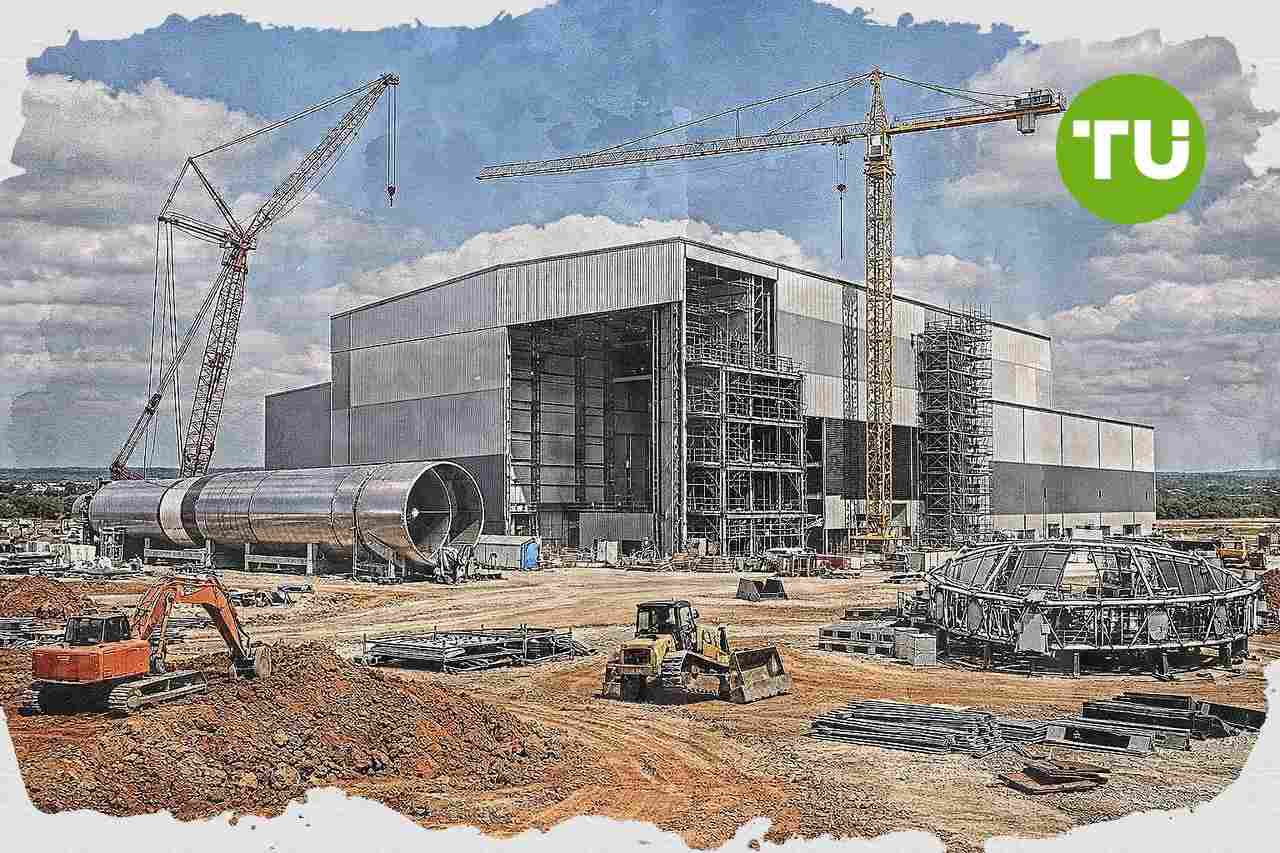
Firefly Aerospace was expected to secure a $110 million loan from the U.S. Export-Import Bank, a financing package that would help pay for a Texas expansion and signal how far Washington is willing to go to strengthen the nation’s space manufacturing base. The bank’s board was poised to vote Tuesday morning on a loan that would support spacecraft production facilities and add about 200 jobs.
The deal would give Firefly a 12-month window to draw the money and 10 years to repay it, a structure that underscores how public lenders are being used to support industrial capacity in sectors viewed as strategically important. EXIM’s Make More in America push is designed to help U.S. companies compete abroad, including in space, artificial intelligence and other advanced industries.
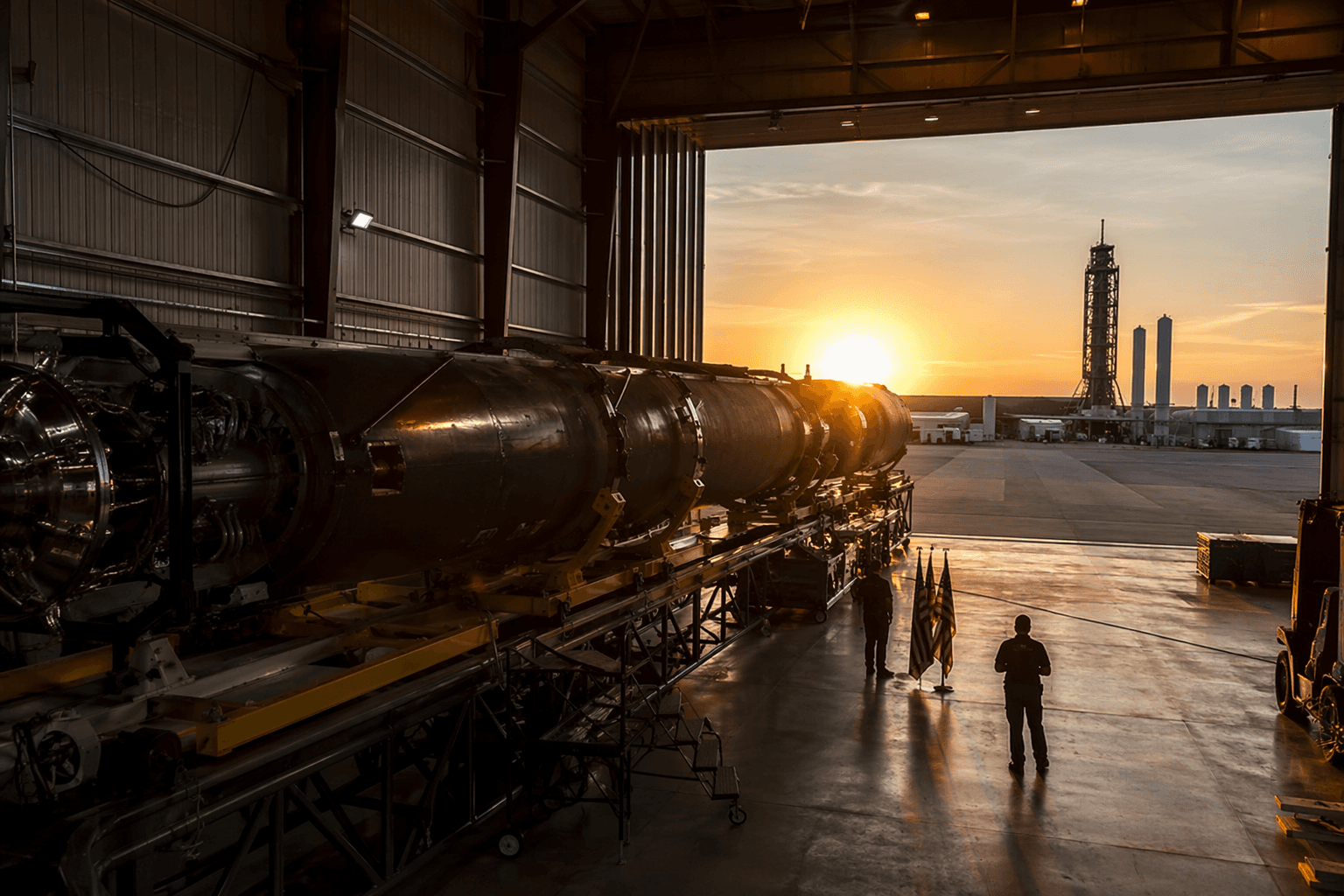
For Firefly, the loan would land on top of a rapid physical buildout in Cedar Park, Texas. The company recently completed an expansion of its campus to 144,000 square feet across two new adjacent buildings, creating one site for spacecraft assembly and testing, mission control, avionics and component production, engineering and business operations. Cedar Park officials also approved a $1 million grant tied to Firefly’s headquarters expansion, with the company agreeing to hire 300 full-time employees.
The financing also reflects a wider policy question: how much taxpayer-backed capital should go to commercial space firms in a market still defined by fierce competition and high execution risk. Firefly is no startup gamble. Last year, its Blue Ghost mission became the first private spacecraft to land on the moon, touching down in Mare Crisium on March 2, 2025, with 10 NASA instruments aboard. The company later said Blue Ghost was the first commercial landing on the moon and won the 2025 Robert J. Collier Trophy in March 2026.
Firefly is also pushing to scale its launch business. It launched Alpha Flight 7 on March 11, 2026, and announced an Alpha Block II configuration upgrade for Flight 8 on January 13, 2026. Alongside SpaceX, Blue Origin and Rocket Lab, the company is part of a crowded field trying to lower launch and production costs while speeding up output.
The EXIM loan would deepen that effort by helping expand manufacturing on U.S. soil rather than simply financing isolated missions. That matters as China’s space industry targets foreign customers and European governments seek more sovereign systems for connectivity and security. Firefly’s acquisition of SciTec in 2025 adds another layer to the company’s bid to move into defense and national-security work, making the loan not just a bet on rockets, but on a broader industrial strategy for the space age.
This article was produced by Prism’s automated news system from verified source data, official records, and press releases, then run through automated quality and moderation checks before publishing. The system is built and supervised by the people who set the standards it runs under. Read our full AI policy.
Know something we missed? Have a correction or additional information?
Submit a Tip