First dinosaur bone found in Antarctica identified as titanosaur tail vertebra
A 1985 Antarctic fossil turned out to be the continent’s first known dinosaur bone, a titanosaur tail vertebra from James Ross Island.
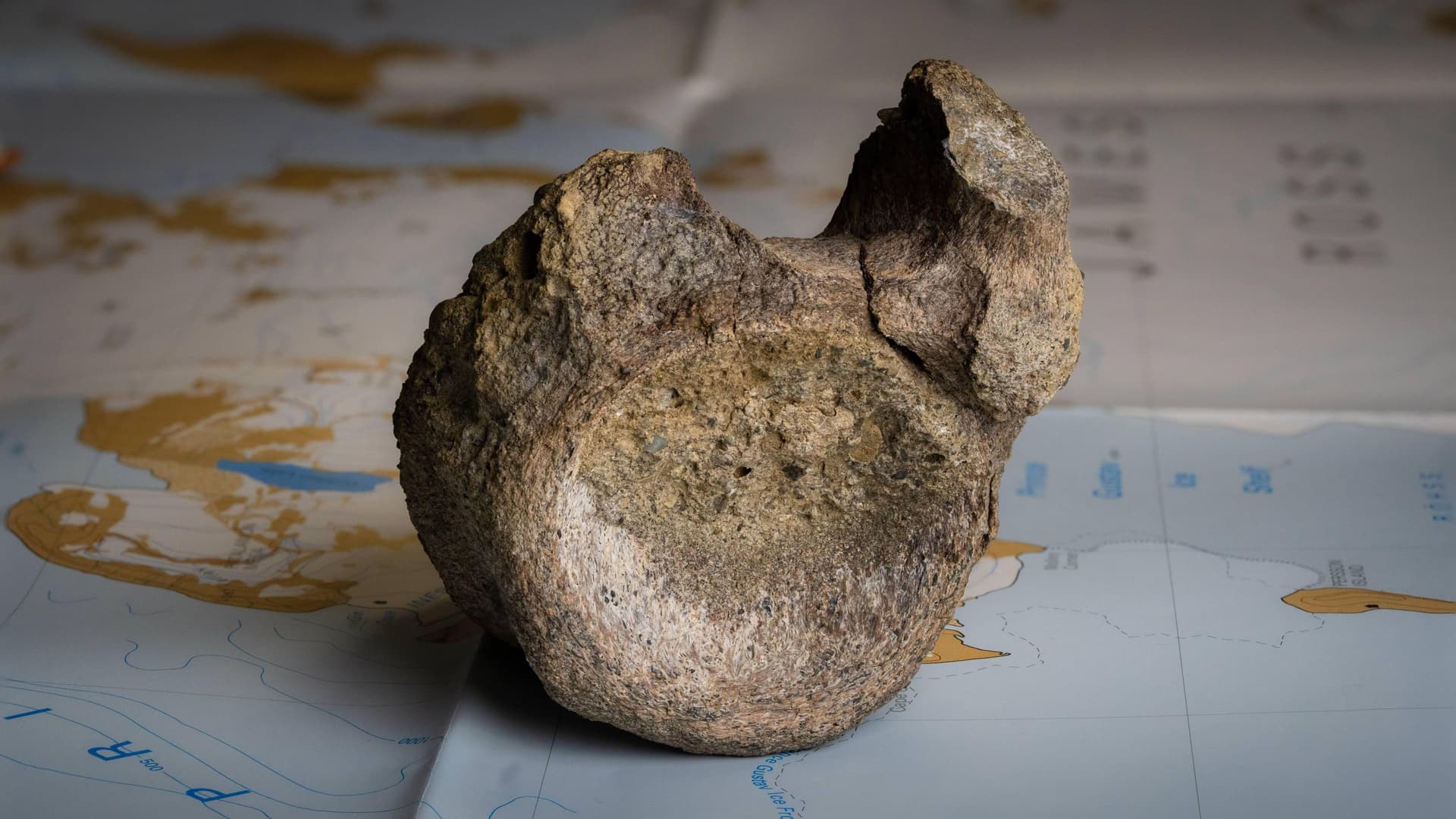
A fossil collected in Antarctica in 1985 has been identified as the first dinosaur bone ever recovered from the continent, a Late Cretaceous tail vertebra from a titanosaur found on James Ross Island. The specimen is an incomplete caudal vertebra, but its size and shape place it among lithostrotian titanosaurs, giant long-necked, plant-eating sauropods.
The identification gives a rare museum specimen outsized importance. Paul M. Barrett, Philip D. Mannion, Samantha L. Beeston, Matthew C. Lamanna, Brett Clark, Alejandro Otero, José P. O’Gorman, Mark Evans, Eduardo Olivero and Roberto Scasso were part of the work that placed the bone in context, showing how a single fossil can sit for decades before specialists recognize what it is. In a field where cataloging backlogs and limited funding can leave collections underexamined, the Antarctic vertebra is a reminder that major scientific finds are often hiding in plain sight.
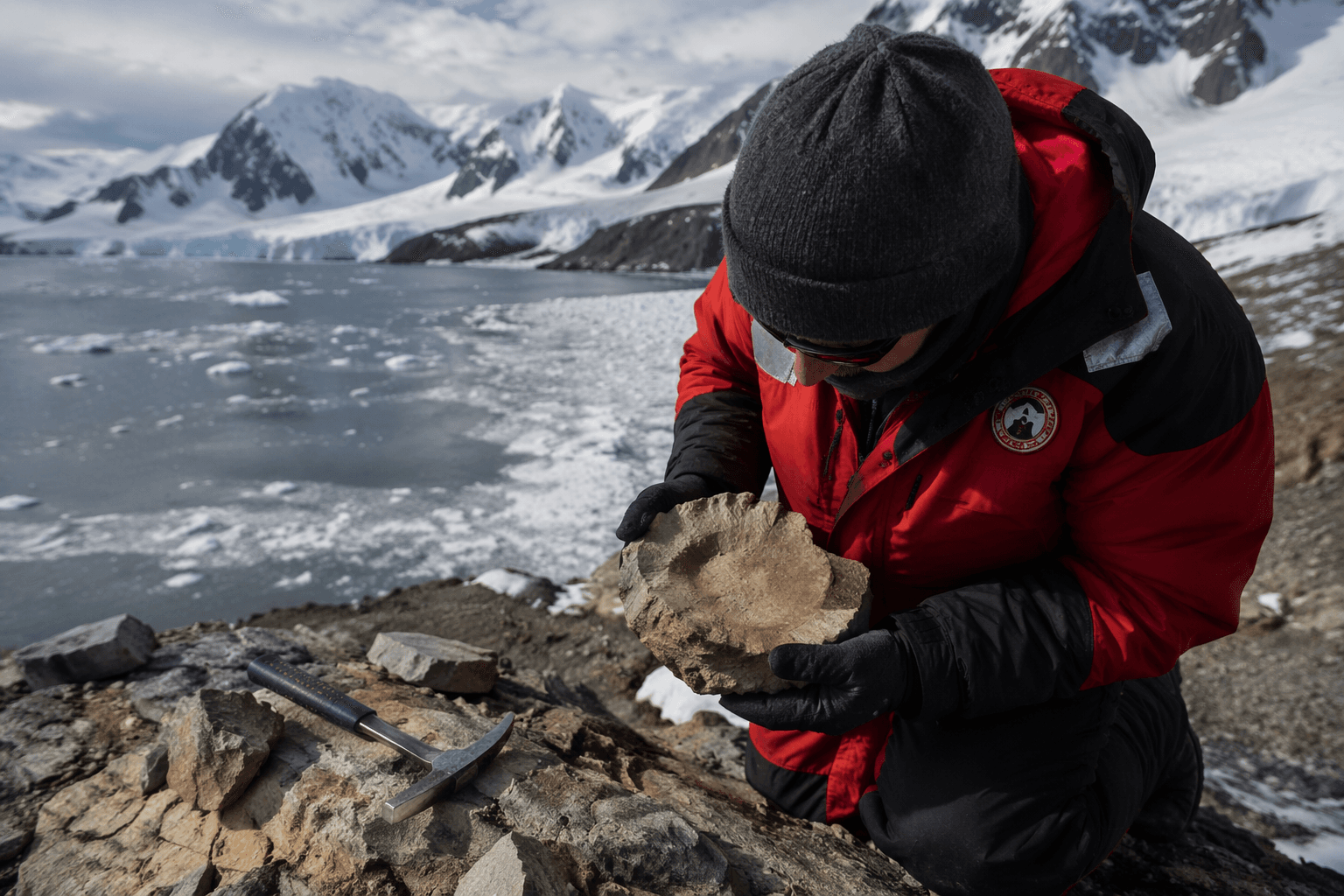
The bone also stands out because Antarctica’s dinosaur record is tiny. A later study of Antarctic titanosaurs described the continent as preserving a meagre Mesozoic dinosaur record, with fossils known only from the Hanson Formation of the Transantarctic Mountains and the upper units of the James Ross Sub-Basin on the Antarctic Peninsula. That scarcity makes the James Ross Island vertebra only the second sauropod body fossil known from Antarctica, even though it was the first dinosaur bone to be collected from the continent.
A 2011 paper on the specimen reported the first record of a sauropod dinosaur from Antarctica, based on the incomplete caudal vertebra from James Ross Island. That finding pushed back the continent’s dinosaur history and reinforced the view that Antarctica once supported dinosaurs when conditions were far warmer than they are today.
Researchers at the Antarctic Peninsula Paleontology Project have described that ancient landscape as relatively warm and lush, with enough plant life to support a diverse animal community. The vertebra adds hard evidence to that picture and links Antarctica more firmly to the other Gondwanan landmasses that shared parts of their dinosaur fauna before the southern continents drifted apart.
This article was produced by Prism’s automated news system from verified source data, official records, and press releases, then run through automated quality and moderation checks before publishing. The system is built and supervised by the people who set the standards it runs under. Read our full AI policy.
Did this article answer your question?