US, Iran to hold talks on Strait of Hormuz tensions Tuesday
After weekend missile and drone strikes, Washington and Tehran were set for Tuesday talks in Doha over keeping the Strait of Hormuz open. Qatar is again central as both sides seek a pause, not a peace deal.
President Donald Trump set talks with Iran for Tuesday, a day after the United States and Iran exchanged strikes that threatened to unravel a fragile interim arrangement and pushed Qatar back to the center of the crisis.
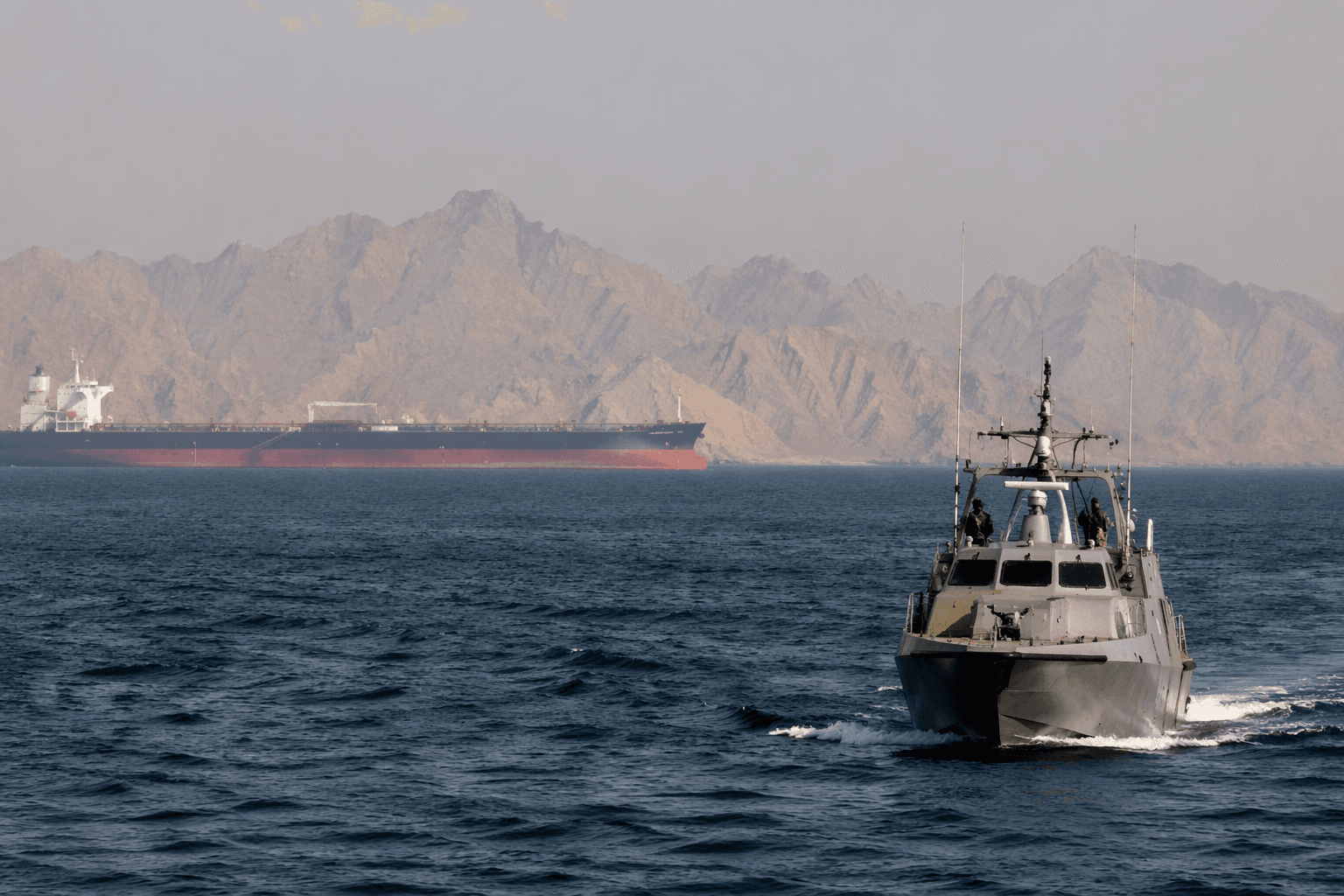
Early Sunday, Iran launched missiles and drones at U.S. military sites in Kuwait and Bahrain. The United States then carried out fresh strikes on Iranian military sites after an attack on a Panama-flagged tanker in the Strait of Hormuz, the narrow shipping lane that typically carries about one-fifth of the world’s oil and liquefied natural gas.
The talks would build on a 14-point memorandum of understanding signed June 17 that aimed to end four months of conflict, reopen the Strait of Hormuz and open 60 days of more detailed negotiations, including on Iran’s nuclear program. The Tuesday meeting in Doha would focus on managing the strait and de-escalating tensions. Both sides had agreed to “stand down for now” and let vessels move freely through the waterway, while Iran’s deputy foreign minister, Kazem Gharibabadi, ruled out technical working group meetings this week and said Qatar talks were not confirmed.
Iran’s president, Masoud Pezeshkian, said Monday that $6 billion in frozen Iranian assets held in Qatar would be released, but U.S. officials said no frozen assets had yet been released.
Iranian and U.S. technical teams implementing the interim deal were due to meet in Doha in the coming days, and Bahrain has urged an urgent U.N. Security Council session.
This article was produced by Prism’s automated news system from verified source data, official records, and press releases, then run through automated quality and moderation checks before publishing. The system is built and supervised by the people who set the standards it runs under. Read our full AI policy.
Did this article answer your question?