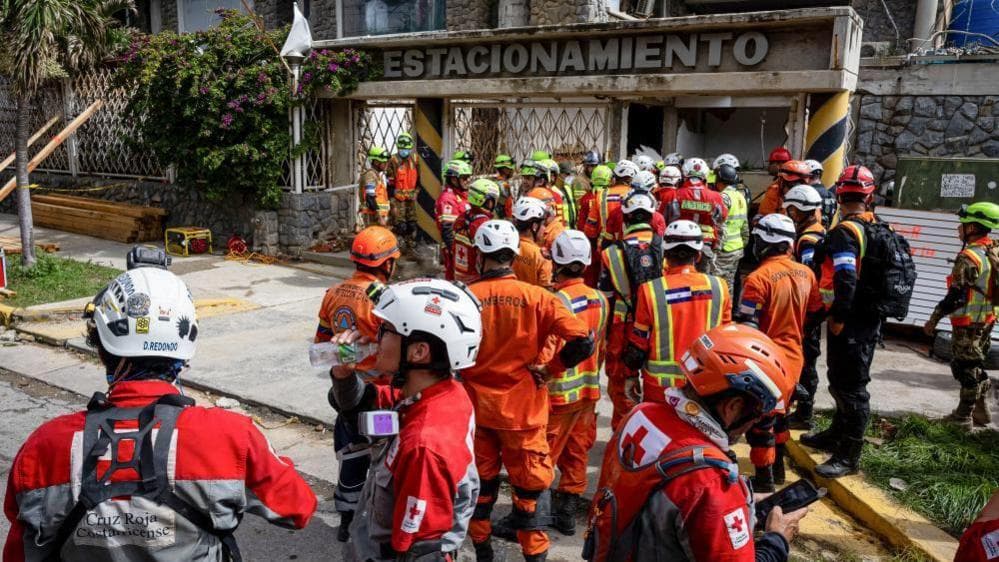
First U.S. deportees arrive in Congo under new bilateral deal
The first U.S. deportees under a new Congo deal landed in Kinshasa after an opaque route, while judges halted at least three other removals.
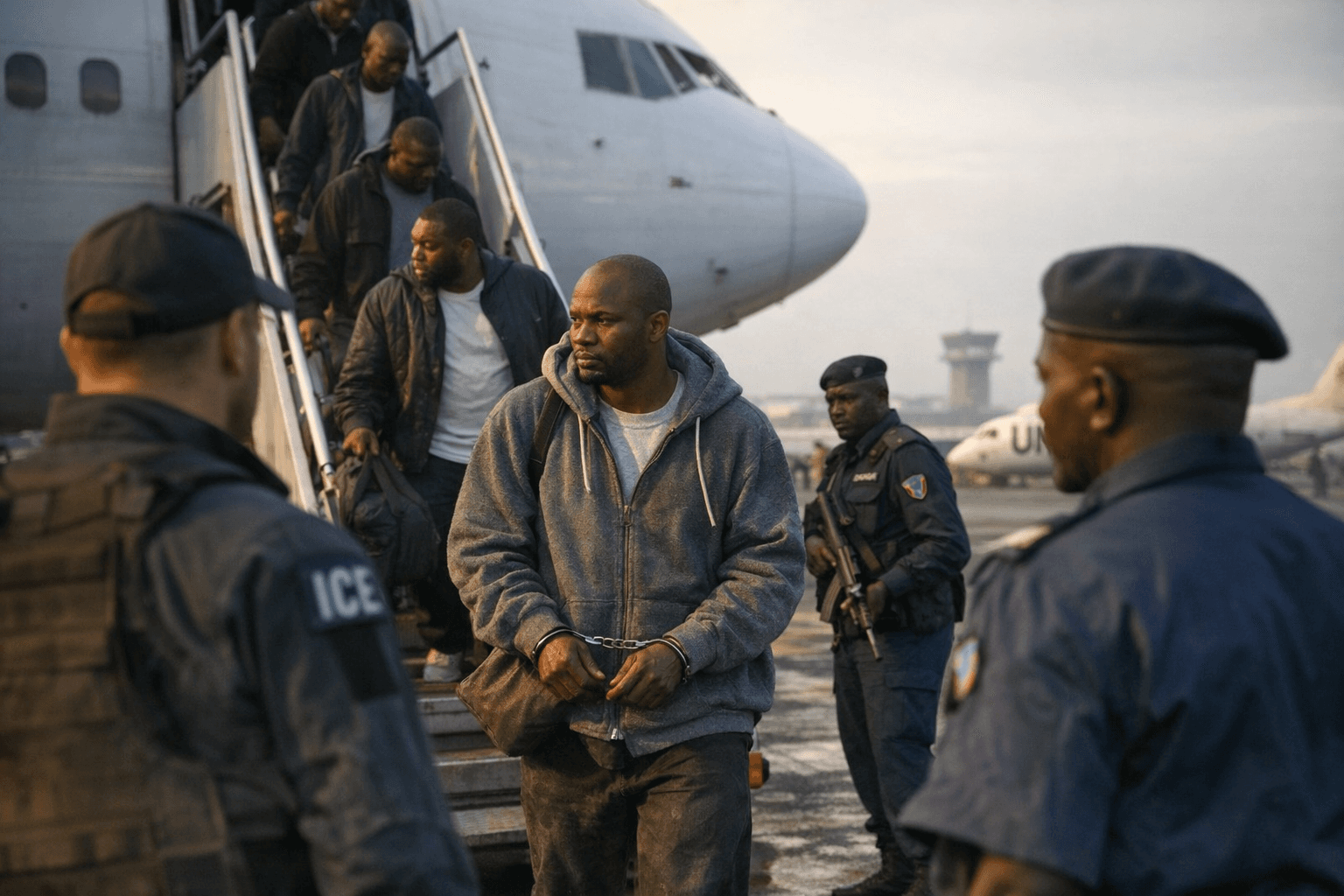
The first migrants deported from the United States under a new bilateral arrangement arrived in Kinshasa early Friday, landing around 1 a.m. after a long route that ran through Dakar and Accra. The group was made up of migrants from Colombia, Peru and Ecuador, not Congo, and their arrival immediately exposed how little is publicly known about the operation: one Colombian woman said 16 people were aboard, while an airport source said there were 15.
The discrepancy underscored the opacity surrounding a policy that is now sending people to a country where they are not nationals. Congo’s interior ministry and presidential office did not immediately respond to questions about the flight, the passengers or the terms under which they were received. Reuters had reported days earlier that Congo was expected to take more than 30 deportees from the United States that week, all from countries other than Congo, making Friday’s arrival the first confirmed transfer in what officials had framed as a broader arrangement.
The people on the plane were not removed in a single, uncontested process. A lawyer in contact with the group said at least three deportation cases in the United States were stopped by judges at the last minute, suggesting court intervention may have reduced the number that ultimately left. One migrant described the journey as very long but calm and said the travelers were treated well and given enough food. Even so, the larger issue is whether third-country removals can be carried out with adequate legal review when the destination is not the person’s home country.
Washington’s reliance on Congo fits a wider strategy of using agreements with African governments to speed removals. The bilateral deal comes after the United States and Congo signed a Strategic Partnership Agreement on December 4, 2025, a framework the State Department said was meant to support cooperation on critical minerals, infrastructure, governance and regional stability. It also follows the June 27, 2025 peace agreement between Congo and Rwanda in Washington, which U.S. officials linked to long-term stability and predictable access to Congolese minerals.
The arrangement raises immediate human-rights and diplomatic questions. Congo is already burdened by insecurity, displacement and a fragile asylum system, yet Reuters reported that some deportees were given a seven-day visa that could be extended and told they could apply for asylum, though officials discouraged that path. The precedent reaches beyond Kinshasa: Eswatini had already received at least 19 third-country deportees from the United States by March 12, showing how quickly this model is spreading and how far U.S. immigration enforcement is moving beyond the country-of-origin system.
This article was produced by Prism’s automated news system from verified source data, official records, and press releases, then run through automated quality and moderation checks before publishing. The system is built and supervised by the people who set the standards it runs under. Read our full AI policy.
Did this article answer your question?