IEA urges Italy to revisit nuclear ban for energy security
Italy’s nuclear exile may be ending under pressure from power prices, imports and industry needs, even as critics warn reactors would arrive too late.
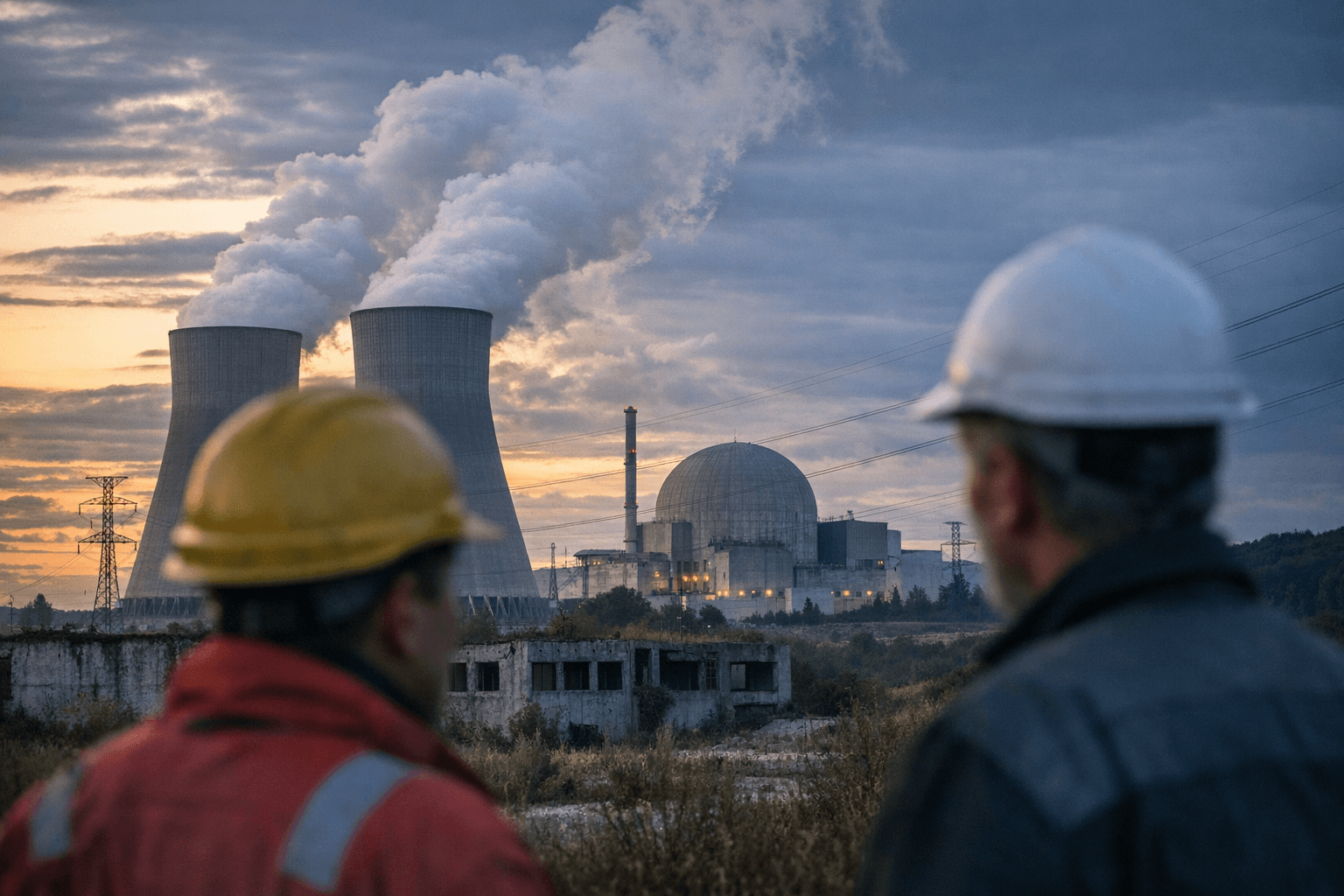
Italy’s decades-old rejection of nuclear power is back under pressure as the country faces heavy dependence on imported electricity and a growing push for energy security. Fatih Birol, the executive director of the International Energy Agency, said Italy should reconsider its ban if it wants greater strategic independence and economic stability.
Italy has no operating nuclear reactors, and much of the power it consumes still comes from abroad, including supplies from France and Switzerland. Terna said Italy’s electricity demand reached 312.3 billion kWh in 2024, while renewables covered more than 40% of that demand for the first time. Even so, the country still relies on foreign power to fill the gap, a vulnerability that has sharpened the political case for a return to nuclear.
The debate is not starting from zero. Italy shut down its four nuclear plants at Garigliano, Latina, Trino and Caorso after the referendum in November 1987, and a second referendum in June 2011 killed a later revival plan. Those votes left Italy as one of Europe’s largest energy importers, with a long memory of Chernobyl and Fukushima still shaping public skepticism.
The government has already begun laying groundwork for a reversal. It approved a draft law in February 2025 to create a legal framework for possible nuclear reintroduction, with a focus on newer technologies and a requirement for implementing decrees within 12 months of the law taking effect. The Ministry of Environment and Energy Security also launched the National Platform for Sustainable Nuclear Power in September 2023. The platform began work in late 2023 and wrapped up its reports in October 2024 after convening seven working groups of research bodies, universities, companies and industry groups.
Political resistance remains real. Anti-nuclear campaigners continue to point to safety risks, long construction times and high upfront costs, and the issue remains deeply sensitive in a country where nuclear policy has twice been rejected by voters. Still, public opinion has become less absolute. A 2023 Savanta survey for Radiant Energy Group found 39% support for nuclear energy in Italy and 36% opposition, while a 2021 poll found about one-third in favor of reconsidering nuclear power and more than half unwilling to rule out advanced nuclear technologies.
That is why Birol’s message lands with force. Italy’s challenge is not whether nuclear power can someday fit a cleaner energy mix, but whether it can move quickly enough to matter for the prices, industrial competitiveness and supply security problems the country faces now.
This article was produced by Prism’s automated news system from verified source data, official records, and press releases, then run through automated quality and moderation checks before publishing. The system is built and supervised by the people who set the standards it runs under. Read our full AI policy.
Did this article answer your question?