Trump Welcomes Iran Reopening Strait of Hormuz During Ceasefire
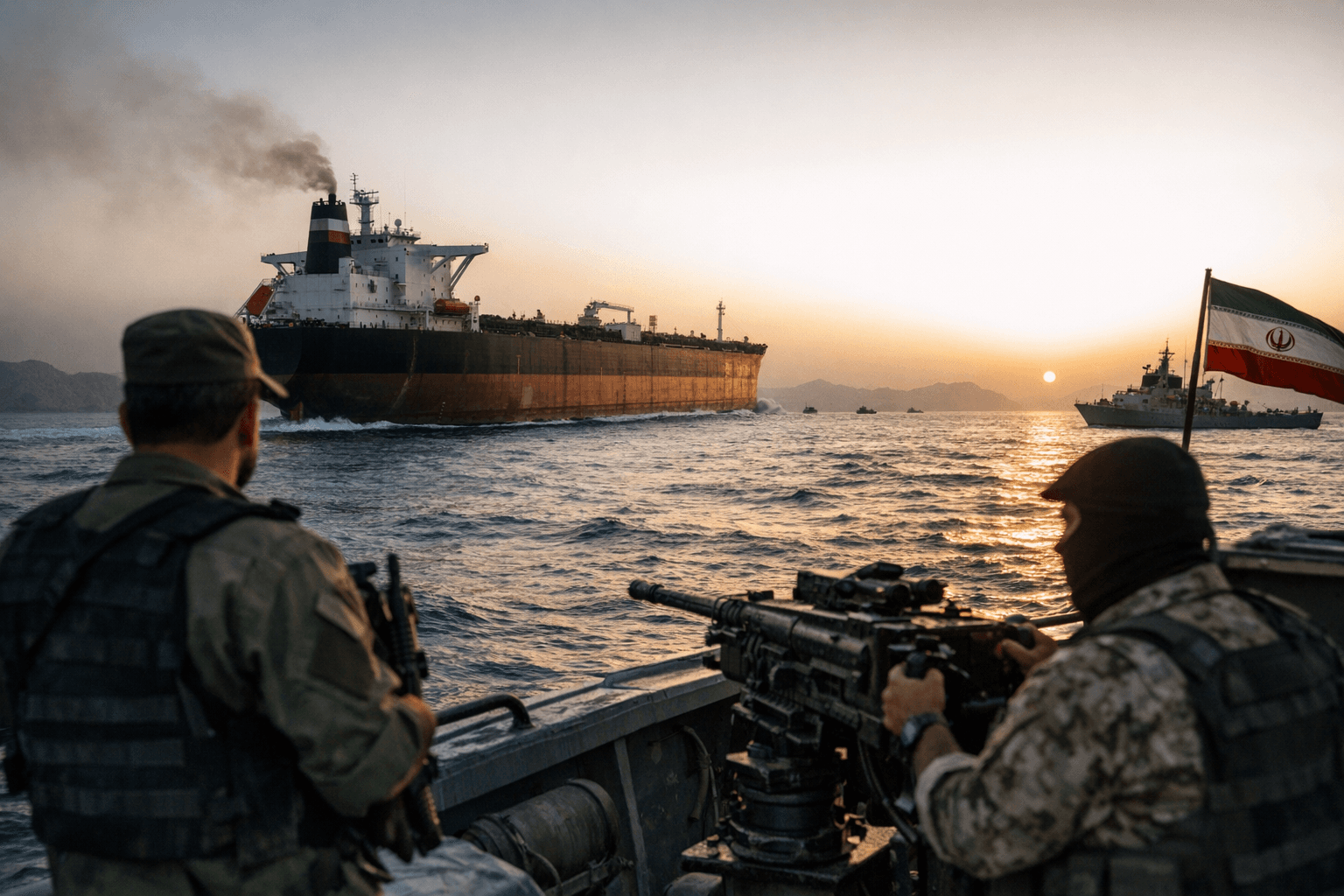
Iran reopened the Strait of Hormuz for commercial ships during the ceasefire, easing a chokepoint that carries 20 million barrels of oil a day.
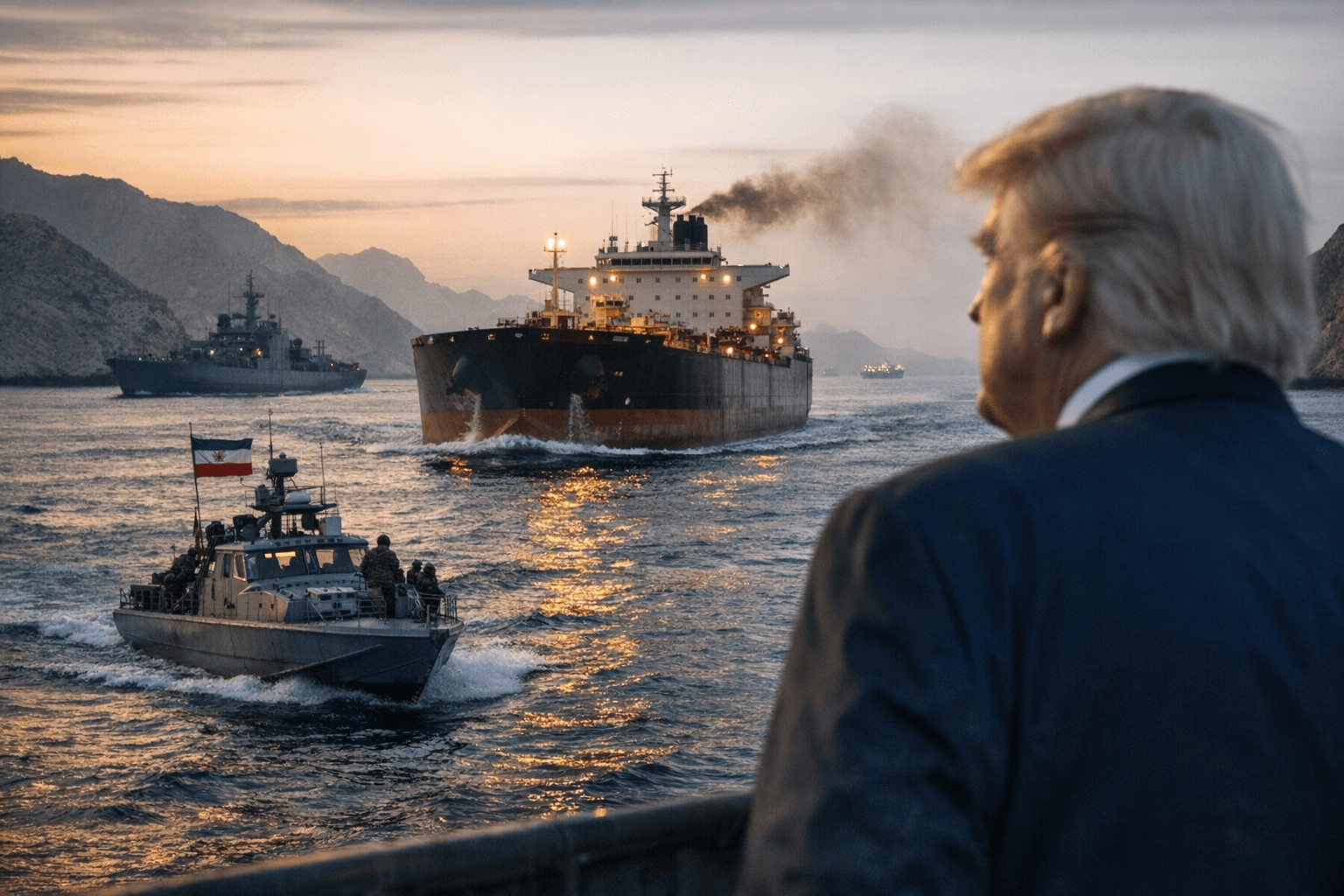
President Donald Trump welcomed Iran’s move to reopen the Strait of Hormuz for commercial shipping, but the relief looked fragile from the start. Tehran said passage through the narrow waterway was open only for the remaining period of the ceasefire, and Iranian media linked to the Islamic Revolutionary Guard Corps warned the route could close again if the U.S. blockade of Iranian ports continued.
Iranian Foreign Minister Seyed Abbas Araghchi said passage for all commercial vessels through the strait was “completely open” during the ceasefire, which took effect after a U.S.-backed 10-day truce between Israel and Lebanon. Ships were still required to follow a coordinated route previously announced by the Ports and Maritime Organisation of the Islamic Republic of Iran, underscoring that the reopening was conditional rather than a full reset.
Trump thanked Tehran for reopening the waterway, but he said the U.S. naval blockade of Iranian ports would remain in place until a final peace deal was reached. The Pentagon said the U.S. Navy had already turned back 13 ships in the first day-plus after enforcement began. That standoff left traders, insurers and ship operators reading the pause as a temporary reprieve, not a settled de-escalation.
The stakes were immediate. The U.S. Energy Information Administration said about 20 million barrels per day flowed through the Strait of Hormuz in 2024, roughly 20% of global petroleum liquids consumption. The International Energy Agency said about 25% of world seaborne oil trade transited the strait, along with nearly 20% of global LNG exports from Qatar and the United Arab Emirates. Any renewed closure would threaten energy supplies well beyond the Persian Gulf.
The route’s importance made the political message as important as the military one. The reopening came after shipping traffic had already been badly disrupted during the conflict, and oil prices had fallen sharply as markets reacted to the ceasefire and the easing of pressure on one of the world’s most critical chokepoints. But with both sides holding leverage over access to the strait, the risk remained that a breakdown in the ceasefire could quickly send crude markets and freight routes back into turmoil.
Know something we missed? Have a correction or additional information?
Submit a Tip