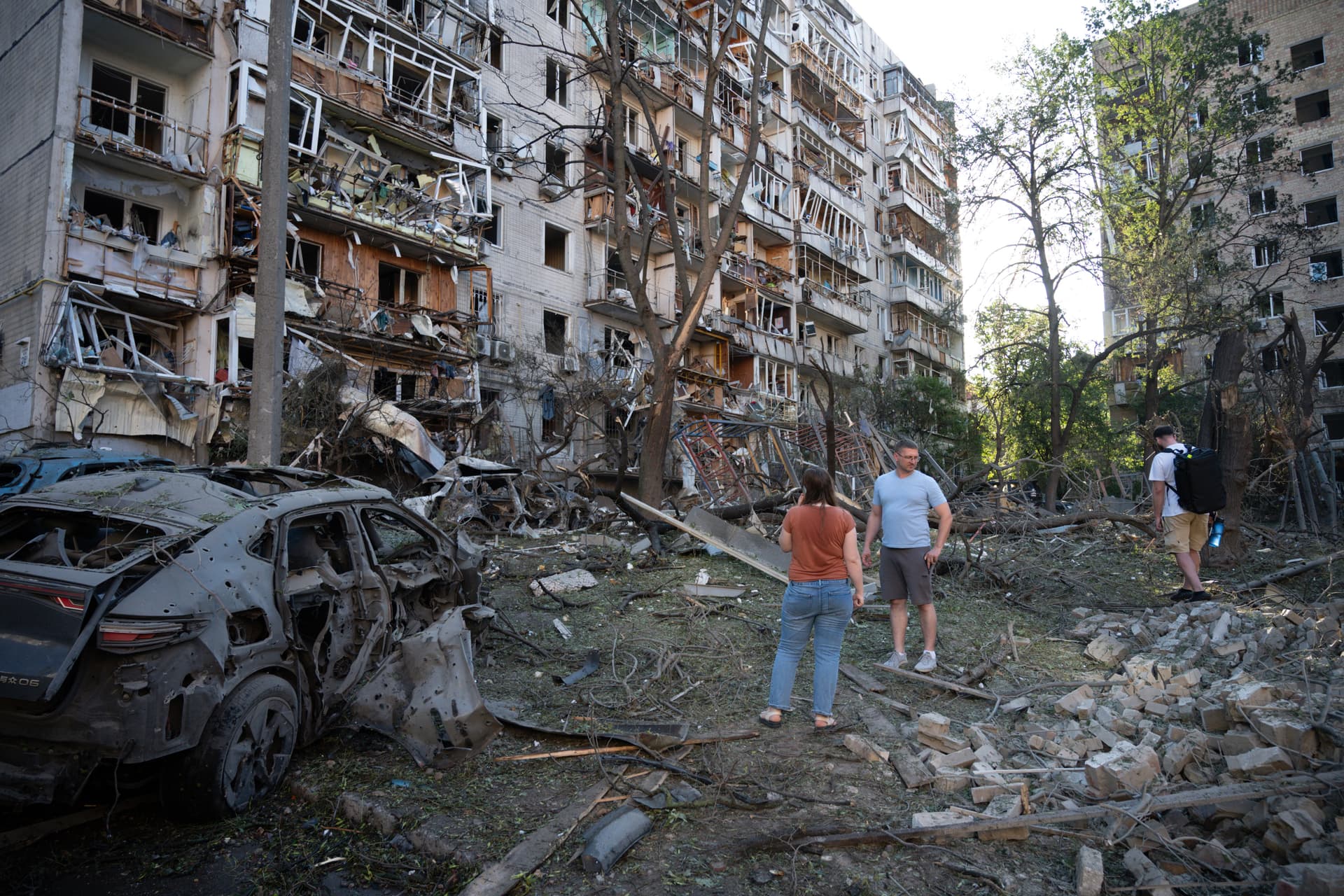
Mugabe’s son pleads guilty in Johannesburg shooting and immigration case
Bellarmine Mugabe admitted lesser charges in Johannesburg, while police still searched for the missing gun in a shooting case that tested equal justice.
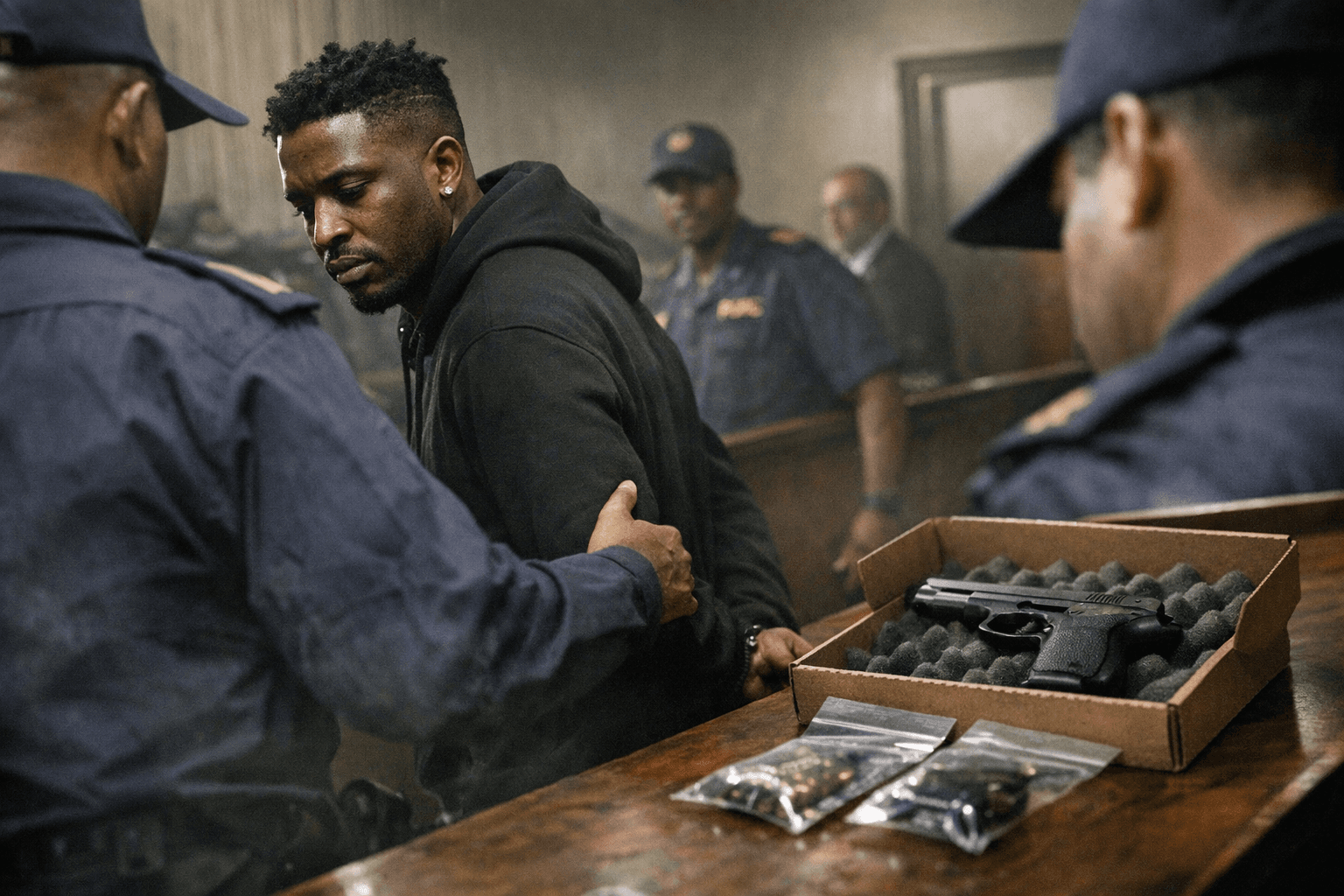
Bellarmine Mugabe, the youngest son of Zimbabwe’s late president Robert Mugabe, pleaded guilty in Johannesburg to pointing a firearm and violating South Africa’s immigration laws, narrowing a case that began with attempted murder allegations after a Hyde Park shooting.
In the Alexandra Regional Court north of Johannesburg on Friday, 17 April 2026, Mugabe entered the pleas through Section 112 statements. His cousin and co-accused, Tobias Matonhodze, pleaded guilty to attempted murder, defeating the ends of justice, illegal immigration and possession of ammunition.
The case stems from a February 2026 incident at the Mugabe residence in Hyde Park, where a 23-year-old employee, described in reporting as a gardener, was shot twice. Mugabe was arrested on 19 February 2026 at the home, and the proceedings have since followed a path closely watched in both South Africa and Zimbabwe because of the family name attached to it.
The contrast between the pleas sharpened the public interest in how South African authorities handled the matter. Mugabe, who initially faced more serious allegations including attempted murder, admitted to the firearm and immigration counts. Matonhodze, by contrast, admitted to attempted murder as well as the additional charges tied to the ammunition and the effort to defeat justice. The split has left a question hanging over the court record: whether status, connections or proximity to power affected the pace or severity of the case, or whether the process simply reflected the evidence available to prosecutors.
Police have not recovered the firearm. That missing weapon remains central to the investigation, and the court postponed the matter to 24 April 2026 for further inquiry. The delay underscores how unfinished evidence can shape the course of a criminal case, even after guilty pleas have been entered.
For South Africans, especially those watching the case through a rule-of-law lens, the proceedings land in a familiar tension: a prominent political surname on one side, a shooting victim on the other, and a justice system under pressure to show that legal outcomes do not bend for status. The guilty pleas do not close that debate. They make it harder to avoid.
This article was produced by Prism’s automated news system from verified source data, official records, and press releases, then run through automated quality and moderation checks before publishing. The system is built and supervised by the people who set the standards it runs under. Read our full AI policy.
Did this article answer your question?