Fiserv, BP warn US stores to avoid illegal vape sales
BP, Fiserv and other payment firms warned stores that illegal vape sales could trigger mid-six-figure fines, as a $9 billion market drew tighter enforcement.

Fiserv and BP warned U.S. store owners not to sell illegal vapes or risk steep financial penalties, pushing the crackdown on the products from the law-enforcement arena into the payment systems that keep convenience stores and gas stations running.
The notices landed as state and city officials sharpened pressure on a black market estimated at $9 billion or more in annual sales. Attorneys general in California, Illinois and Arizona have joined authorities in New York City, Washington and Puerto Rico in the effort, which has already helped push Shopify to ban vape sales. Mastercard has also told partners it may investigate merchants that enable illegal vape transactions on its network.
The warnings from BP, Marathon Petroleum, Valero and Fiserv’s CardConnect unit showed how coordinated the response has become. BP told store operators that selling illegal vapes violated the store’s agreement and could trigger payment-processing consequences. Marathon and Valero went further, warning that Mastercard or similar companies could impose mid-six-figure fines for a single violation or cut off card-processing services entirely.
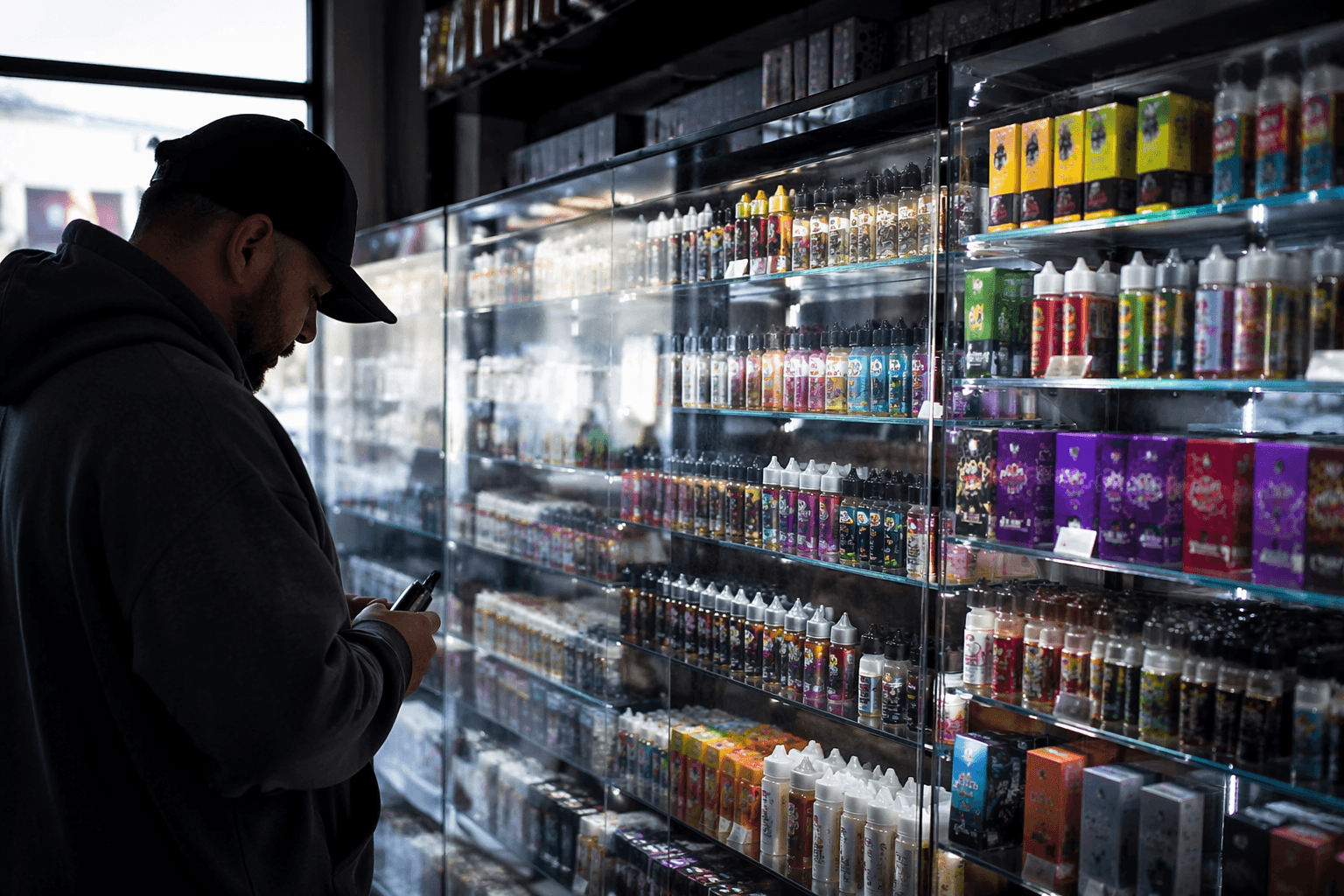
CardConnect told partners that vape sales must comply with all applicable laws or face corrective action. It also said it would notify merchants not to sell products without authorization from the U.S. Food and Drug Administration. That matters because the FDA has authorized only 45 vaping products for legal sale, while unauthorized brands continue to move through both online marketplaces and physical stores.
For convenience-store operators, the pressure now reaches beyond product compliance and into the core mechanics of daily business. Payment processors and fuel brands are signaling that illegal vape sales can bring direct costs, service disruptions and the loss of card acceptance, turning a public-health enforcement effort into a revenue risk for small retailers that rely on fast checkout, fuel traffic and limited-margin sales.
This article was produced by Prism’s automated news system from verified source data, official records, and press releases, then run through automated quality and moderation checks before publishing. The system is built and supervised by the people who set the standards it runs under. Read our full AI policy.
Did this article answer your question?