Japan warns markets it is ready to support the yen
Tokyo warned it was ready to back the yen after it hit 162.84 per dollar, a 1986 low, as traders watched for another intervention and U.S.-Japan coordination.

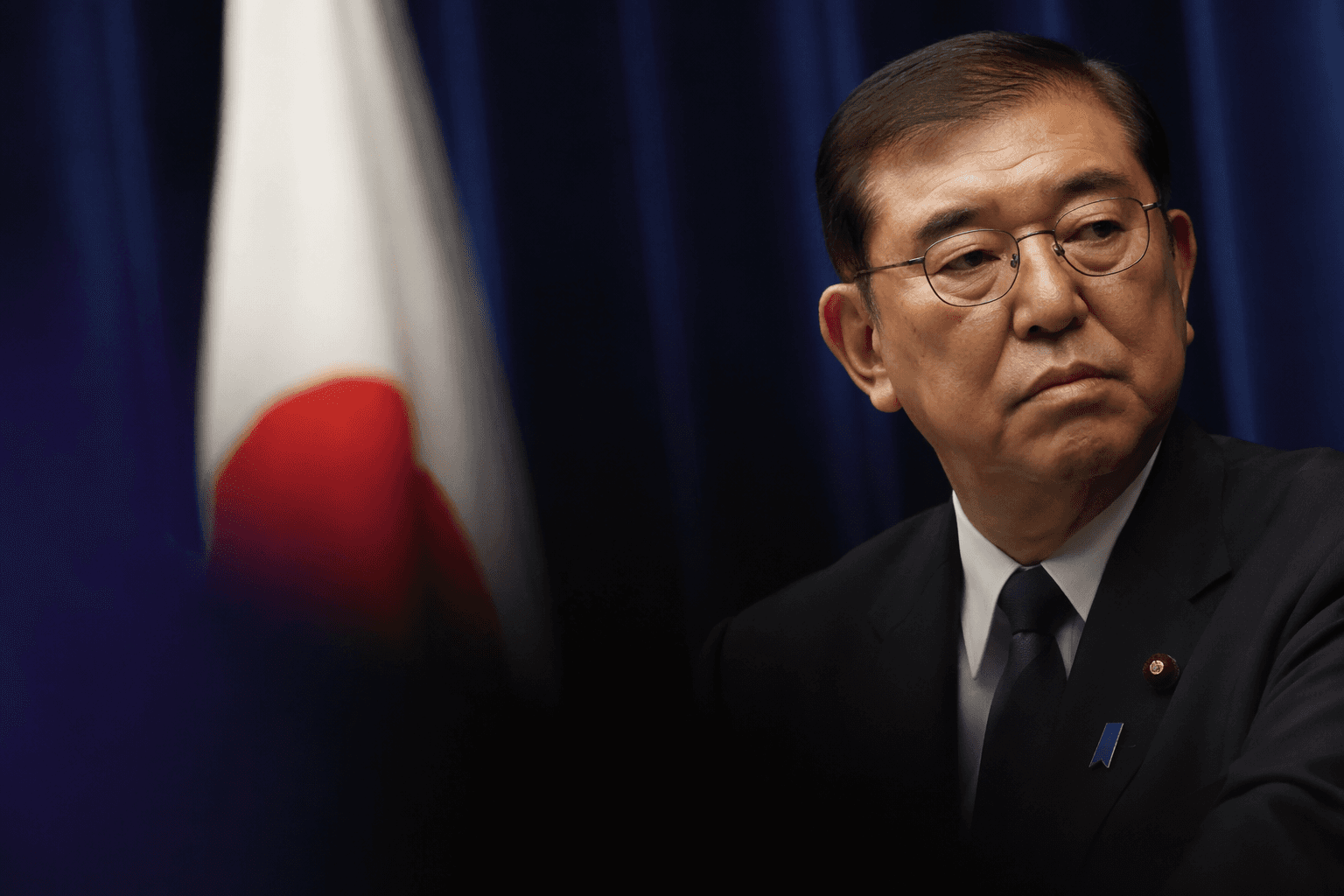
Japan warned currency markets on Friday that it was ready to support the yen after the currency fell to 162.84 per dollar on Tuesday, its weakest level since 1986, before recovering to around 161.2 on Friday. Finance Minister Satsuki Katayama said, “We will respond appropriately at any time as needed,” reinforcing the message that Tokyo had not ruled out another intervention.
The warning mattered because a weaker yen feeds directly into import costs, from energy to food, and can keep inflation pressures alive in Japan even as it makes the country a cheaper destination for foreign tourists. For exporters, the slide can improve competitiveness, but for households and smaller firms it often means higher bills and thinner margins.
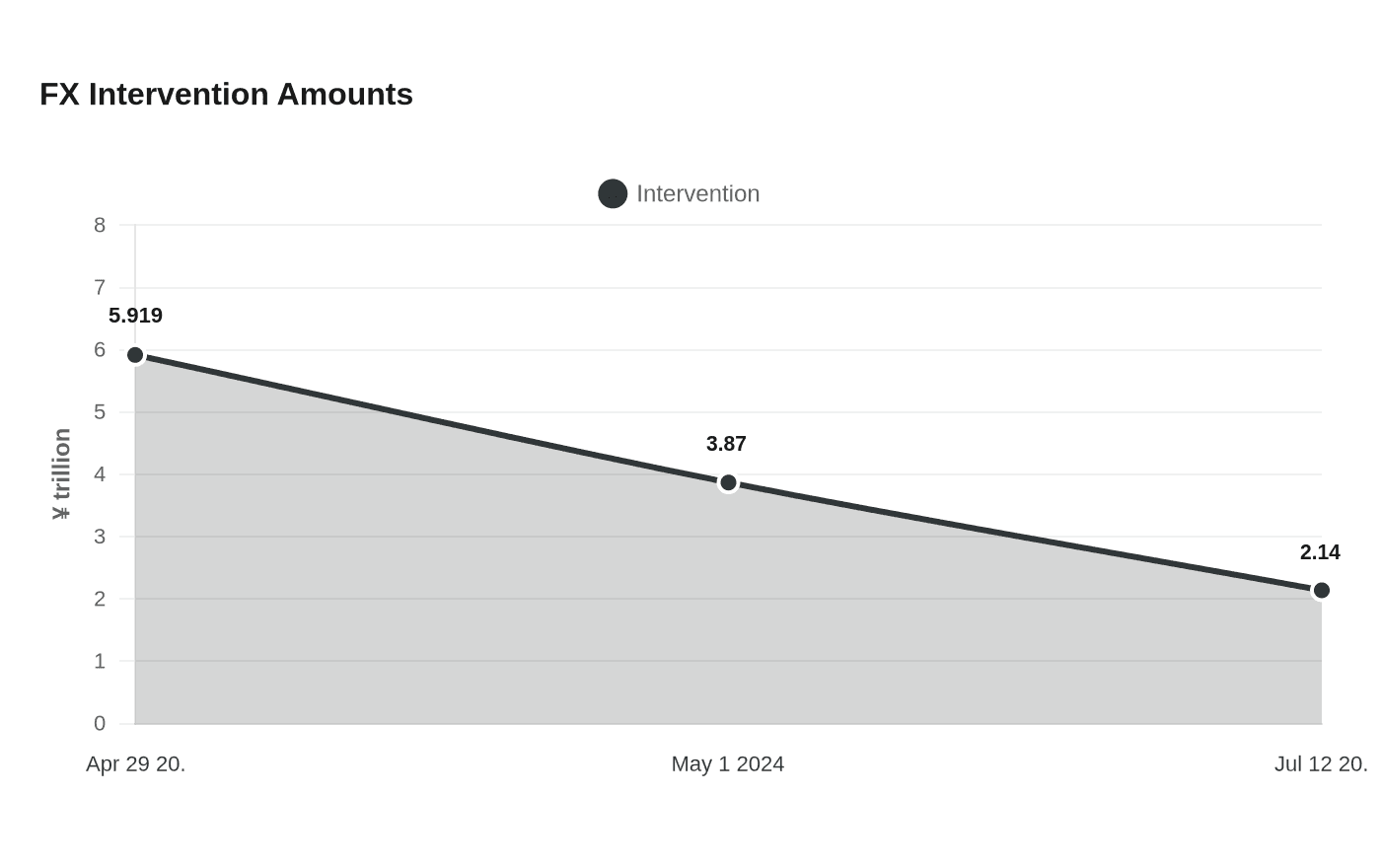
Tokyo’s threat also carried credibility because Japan has already spent heavily to defend the currency. The Ministry of Finance confirmed ¥9.7885 trillion, about $62.25 billion, in foreign-exchange intervention between April 26 and May 29, 2024. That total included ¥5.9185 trillion on April 29 and ¥3.8700 trillion on May 1. Authorities may also have spent another ¥2.14 trillion on July 12, 2024, during a broader intervention wave that approached ¥6 trillion.
Markets remained sensitive to the possibility of more action after the yen suddenly jumped on Thursday. The recovery was modest, but it showed how quickly traders react when Tokyo hints that the currency has gone too far. The yen’s drop this week also came against a backdrop of broad dollar weakness after a softer-than-expected U.S. jobs report lowered expectations for near-term Federal Reserve tightening.
The pressure on policymakers was not limited to the trading screen. Tokyo Shoko Research said weak-yen-related bankruptcies totaled 45 in the first half of 2026, up 32.3% from a year earlier, as import costs squeezed wholesalers and firms with limited pricing power. Benchmark 10-year Japanese government bond yields also hit a 30-year high on fiscal-policy worries, adding another strain to the policy backdrop.
Katayama’s warning fit a broader push to keep Washington closely aligned. In late June 2026, she held online talks with U.S. Treasury Secretary Scott Bessent about global financial markets. A U.S.-Japan joint statement on foreign exchange said both sides would continue close consultations on macroeconomic and FX matters, while reaffirming that exchange rates should be market-determined and that excess volatility and disorderly moves can threaten stability. For now, that leaves Tokyo relying on its credibility as much as its reserves: the threat of intervention may still be enough to move markets, but only if traders believe it is real.
This article was produced by Prism’s automated news system from verified source data, official records, and press releases, then run through automated quality and moderation checks before publishing. The system is built and supervised by the people who set the standards it runs under. Read our full AI policy.
Did this article answer your question?