Five million drop ACA coverage as premiums surge
Five million people who signed up for ACA coverage in January dropped it or stopped paying, as subsidy recipients faced average monthly premiums of $1,904.
Five million people who signed up for Affordable Care Act marketplace coverage in January dropped it or stopped paying their premiums, a sharp pullback that hit households just as monthly bills jumped after enhanced subsidies expired. Federal data released Friday covered the 29 states that use Healthcare.gov.
The Trump administration portrays the decline as proof that tougher anti-fraud steps are working, while health policy experts point first to affordability. KFF's ACA enrollment is down 13% from last year, a drop that tracks with consumers facing much higher costs after the enhanced premium tax credits expired at the end of 2025. Those credits had helped about 22 million people in 2025.

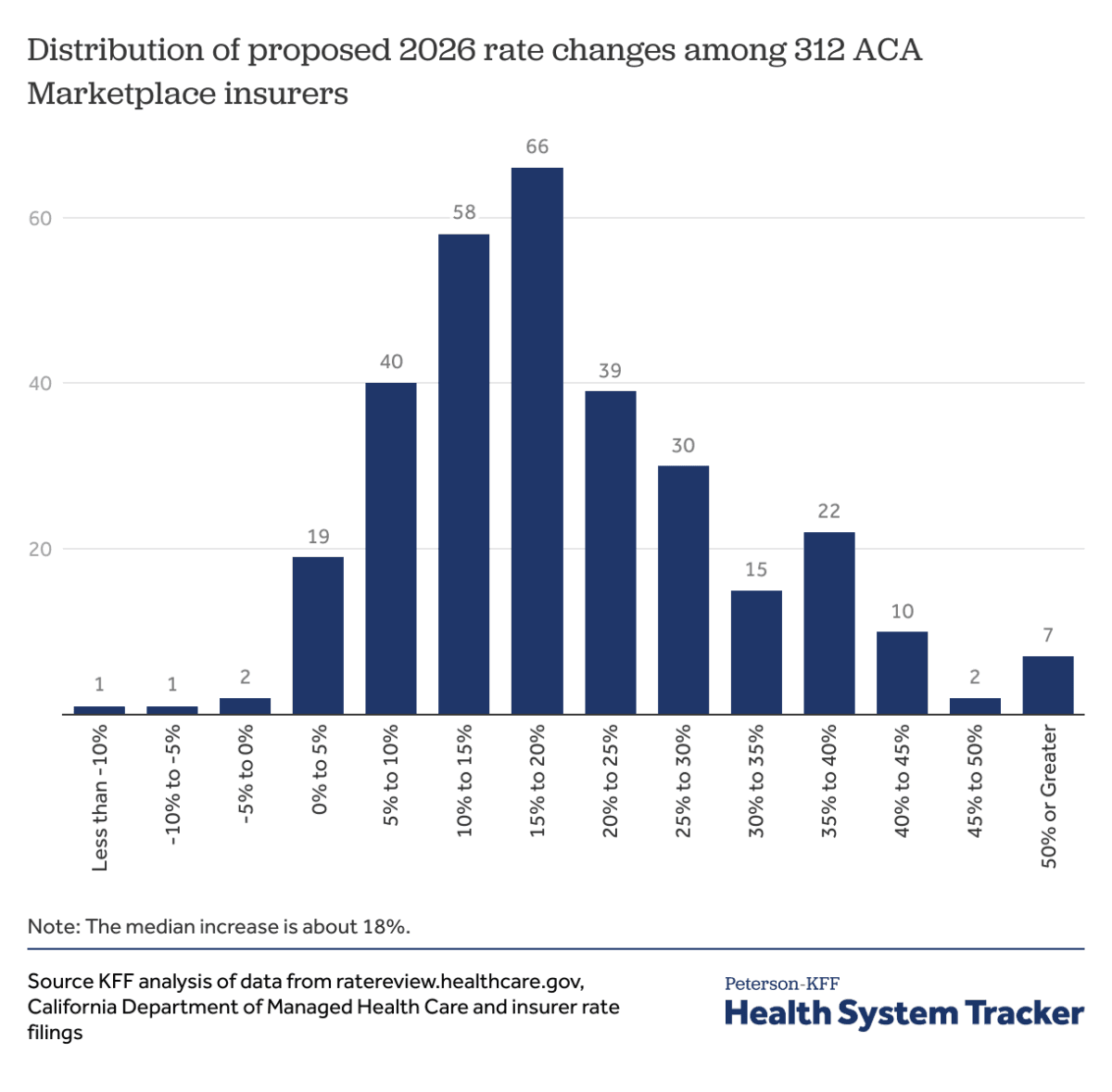
KFF estimated that average monthly premium costs for subsidy recipients rose to $1,904 in 2026 from $888 in 2025. KFF also found average ACA deductibles climbed 37%, from $2,759 to $3,786, the steepest increase in the history of the marketplaces. Insurer filings for 2026 showed a median proposed premium increase of 18% nationally, and some states finalized increases above 20%, with many insurers citing higher medical costs and the end of the enhanced tax credits.
A June 26 HHS and ASPE report said potentially large-scale improper, phantom and fraudulent participation had been reduced, but not fully resolved, by recent anti-fraud measures. In March, the administration put complaints about unauthorized enrollment or switching at 341,906 in 2025, up from 229,734 the year before Trump took office, while saying new program-integrity rules and the loss of the enhanced credits would bring those complaints down.
Fraud alone cannot explain the size of the enrollment loss. Cynthia Cox of KFF said the pattern fits premium shock: when prices doubled, many people walked away. Stacey Pogue of the Georgetown Center on Health Insurance Reforms said she did not see data showing that a drop of that size could be explained by fraud allegations. Healthier people are more likely to leave when premiums rise, which can raise costs further for those who remain and deepen the decline.
KFF has projected average monthly effectuated marketplace enrollment could fall to about 17.5 million in 2026, and as low as 16.5 million, while the Urban Institute and Commonwealth Fund estimated that 7.3 million people could leave the marketplace because of the loss of enhanced subsidies. Democrats tried to negotiate an extension during the October 2025 government shutdown fight, but Republicans did not extend the credits.
This article was produced by Prism’s automated news system from verified source data, official records, and press releases, then run through automated quality and moderation checks before publishing. The system is built and supervised by the people who set the standards it runs under. Read our full AI policy.
Know something we missed? Have a correction or additional information?
Submit a Tip