Five simple mindfulness practices to improve daily mental wellbeing
Learn five small, evidence-based mindfulness practices you can fit into daily life to reduce anxiety, improve sleep, focus and emotional regulation.
1. Notice everyday sensations (breath, food, walking)
Pay attention to simple, repeatable moments: the rise and fall of the breath, the textures and tastes of a meal, the rhythm of your feet while walking. The NHS frames mindfulness as “paying attention to the present moment,” and this is the easiest entry point, no special equipment, just your senses. Practically, pick one routine task and turn it into a sensory check-in: when you eat, slow down and name three flavors; when you walk, feel the ground under each foot. For the community, this lowers the barrier to practice and makes mindfulness a shared habit, people can swap tips about favourite mindful snacks or walking routes.
2. Pick a regular daily cue to practise
Anchor your practice to a dependable cue, brushing teeth, making a morning drink, or sitting at your desk, to turn mindfulness from an occasional novelty into a habit. The NHS guidance recommends small, repeatable practices; a cue helps you do just that by linking a new behaviour to an existing routine. Start small: commit to one minute of breath awareness after your alarm or one mindful bite at breakfast, then expand gradually. This is especially useful for busy lives in communities where time is tight, micro-practices mean you’re more likely to show up consistently and feel the cumulative benefits.
3. Try mindful movement (yoga, walking)
Move mindfully to combine physical activity with mental calm: gentle yoga sequences, a slow neighborhood walk, or mindful stretching can all anchor you in the body and reduce rumination. These practices bring together the “be active” element of broader wellbeing with focused attention; they’re accessible whether you join a community class or simply follow a short video at home. For groups and local meetups, mindful movement is often the most social and lowest-friction entry point, people connect while moving and learn from each other. Physically, mindful movement boosts circulation and body awareness; mentally, it often eases sleep and helps regulate emotions.
4. Name thoughts and feelings to create space from them
When a strong emotion or looping thought arrives, give it a label, “worry,” “anger,” “planning”, and take a breath before reacting. Naming doesn’t mean you buy into the thought; it creates a mental gap where choice and perspective can return. This simple skill reduces reactivity and gives you more control in conversations, parenting moments, or work stress. Teach it locally by practicing aloud in groups or buddy systems, community members often report that labeling helps them disengage from automatic responses and improves how they interact with others.
5. Use brief breathing or body-scan exercises to reduce reactivity
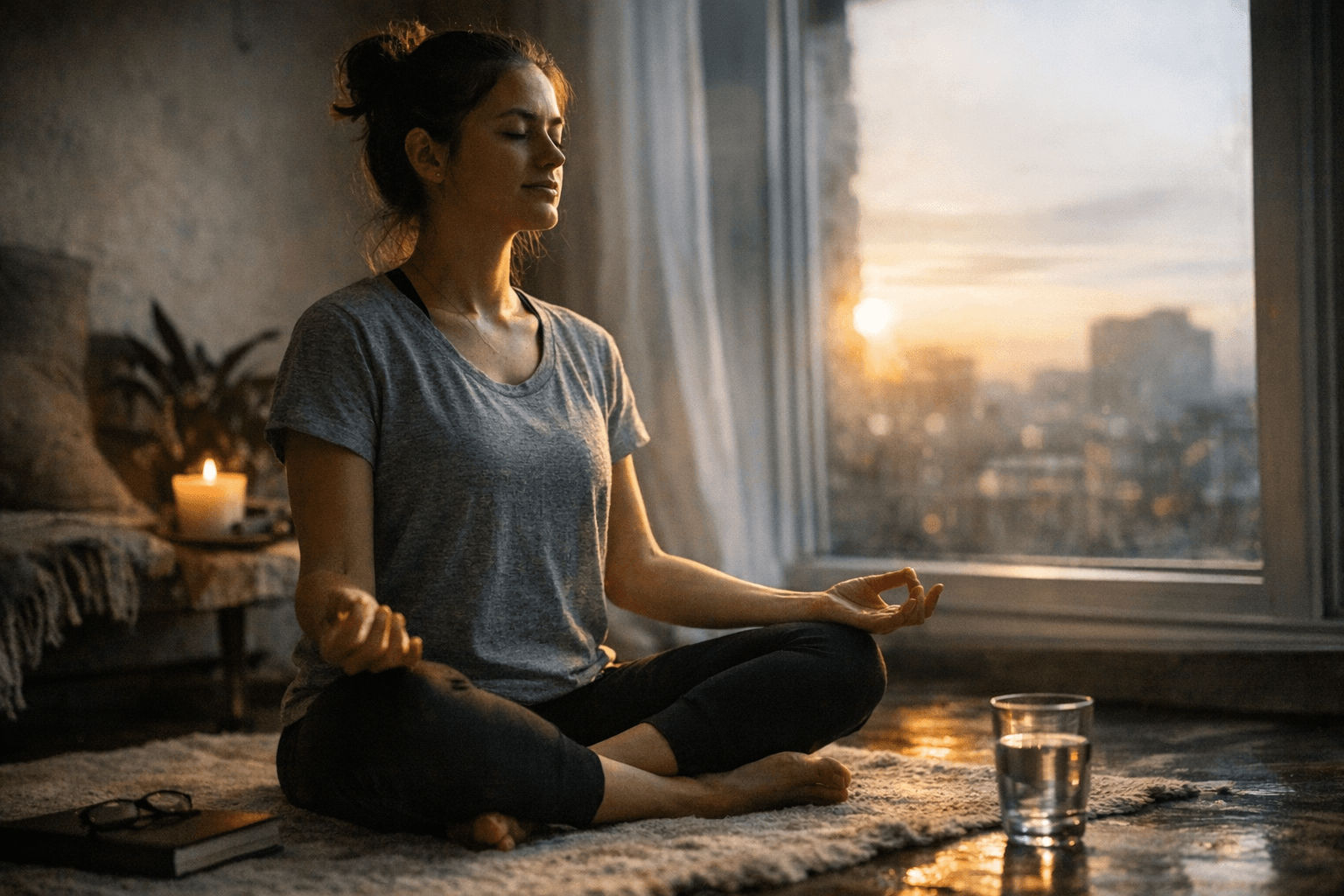
Short, focused breathing or quick body-scans are workhorses for calming the nervous system: a 60–120 second breath break or a 3–5 minute guided body-scan can materially lower anxiety and restore focus. Try a basic exercise: breathe in for four counts, hold two, breathe out for five; or scan from toes to head, noticing tension and releasing it. For people pressed for time, apps and short guided tracks are practical, group courses also teach structured variations and social accountability. The NHS notes that even very short, consistent practices can improve sleep, focus and emotional regulation; use timers, calendar reminders, or a daily cue to make these tiny resets regular.
Practical community supports and where to go next Mindfulness sits inside a wider wellbeing toolkit, connect, be active, keep learning, give, and pairing practices with local groups or app-based supports can boost uptake and sustainment. Group courses offer structure, teacher feedback and peer momentum; apps are handy for on-the-go guided sessions and habit tracking. If you’re starting out, try a short community course, a weekday five-minute guided series, or a buddy system so you exchange encouragement and troubleshoot barriers.
Closing practical wisdom Start pocket-sized: choose one cue, commit to 60 seconds for a week, and notice what shifts, sleep, focus, or calmer moments in conversation. Mindfulness isn’t about perfection; it’s about showing up, over and over. As you build the habit, mix in movement, naming, and short scans, and lean on community classes or apps when you need structure. Small, steady steps add up; your next calmer moment is probably just one mindful breath away.
Know something we missed? Have a correction or additional information?
Submit a Tip