Five states vote in key 2026 primaries shaping Congress control
Michigan's Senate primary emerged as the clearest test, while five states voted in races that could preview turnout, ideology and November control.

Voters in Michigan, Virginia, Missouri, Kansas and Washington went to the polls Tuesday in a primary day that carried far beyond routine ballot filling, with the clearest stakes concentrated on who could build the strongest path to Congress in November. In Michigan, Democrats weighed Abdul El-Sayed against Rep. Haley Stevens for the open Senate seat that will face Republican Mike Rogers, while the state’s ballot also included contests for U.S. Senate, U.S. House, governor and the legislature.
The five-state slate put the Democratic Party’s internal fault lines on display. Associated Press election coverage said the primaries would test the growing clout of the party’s progressive wing and the influence of the American Israel Public Affairs Committee, while candidates endorsed by President Donald Trump ran up and down Republican ballots. In Michigan, NPR framed the El-Sayed-Stevens race as a choice between establishment and insurgent politics, progressive and moderate politics, and new-media and old-school politics.
That Michigan contest drew the most attention because it doubled as a referendum on the party’s direction and on candidate quality heading into the fall. Decision Desk HQ said two surveys found El-Sayed leading Stevens by double digits, and Emerson College Polling also released a Michigan Democratic U.S. Senate primary poll. El-Sayed, a former Southfield health director, also drew backing from Bernie Sanders and Alexandria Ocasio-Cortez in related coverage, sharpening the contrast with Stevens as Democrats settled on a nominee to challenge Rogers.
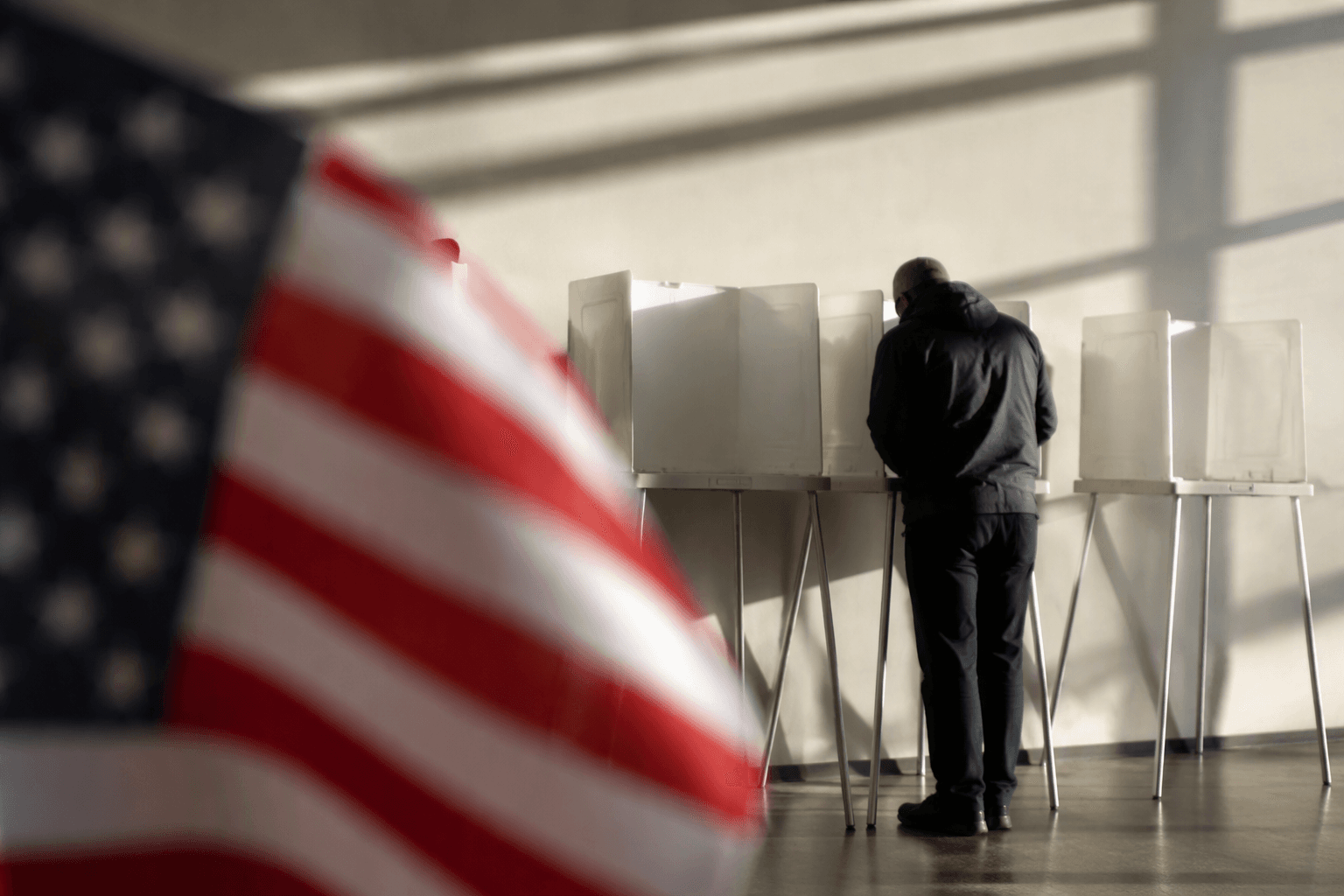
The broader primary calendar underscored how much was at stake. 270toWin said on August 3 that 11 states would hold contests over the next week, with the August 4 primaries in Kansas, Michigan, Missouri, Virginia and Washington at the center of the opening stretch. EL PAÍS said those five states were also voting on candidates for Congress, governorships and other offices, with some ballots including constitutional amendments and local referendums.
Washington’s top-two system made its ballot especially different from the others: all candidates from all parties appeared on one primary ballot, and the top two finishers advanced to the general election. The National Conference of State Legislatures says primary systems vary widely by state, with rules that can be closed, open or structured in other ways, a reminder that turnout and nominee selection were being measured under different rules in each of the five states.
This article was produced by Prism’s automated news system from verified source data, official records, and press releases, then run through automated quality and moderation checks before publishing. The system is built and supervised by the people who set the standards it runs under. Read our full AI policy.
Did this article answer your question?