Flooding triggers signal failures, halts Heathrow rail services all day
A burst water main flooded Heathrow’s rail network, then a signalling fault wiped out trains for the rest of the day. The airport’s two main rail links were both hit as passengers were pushed onto buses and surface transport.
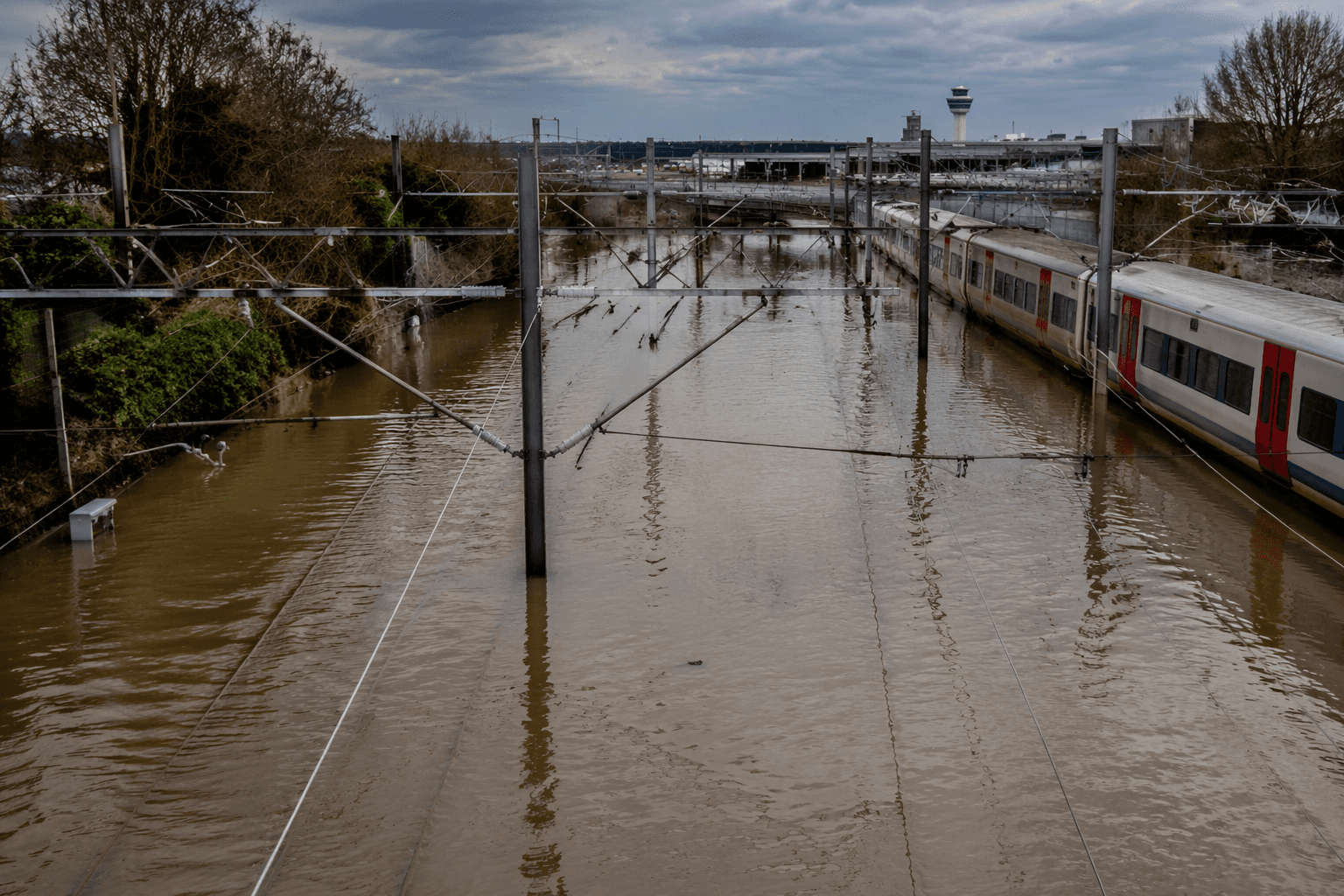
A burst water main flooded the railway at Heathrow and triggered a cascading breakdown that shut down rail access to the airport for the rest of the day. Heathrow Express first reported a reduced service from 06:10 to 06:51 on 30 May 2026, then said there were no trains in either direction from 06:52 to 08:37 and again from 08:37 to 23:59 because of a signalling fault.
Transport for London said there were no Elizabeth line services between Hayes and Harlington and Heathrow after a signal failure caused by flooding at Heathrow Terminals 2 and 3. Heathrow Airport said there were no rail services operating to and from the airport and told passengers to allow extra time and plan journeys using TfL’s journey planner. Heathrow Express said it was working to resolve the issue as quickly as possible.
The disruption exposed how tightly Heathrow depends on a narrow rail corridor into the airport. Heathrow Spur, the 8.6km rail link opened in 1998, carries Heathrow Express and sits alongside Elizabeth line services that reach Terminals 2, 3, 4 and 5. Heathrow Express normally runs every 15 minutes, while Heathrow says the Piccadilly line typically runs every ten minutes or less off-peak and takes around 50 minutes to central London.
That backup option was weakened too. The Piccadilly line was closed between Heathrow and Acton Town because of planned engineering works, leaving passengers to rely on bus replacement options and other surface transport. In practical terms, that meant the airport’s main rail alternatives were both compromised at the same time, turning a flooding incident into a broader transport failure.
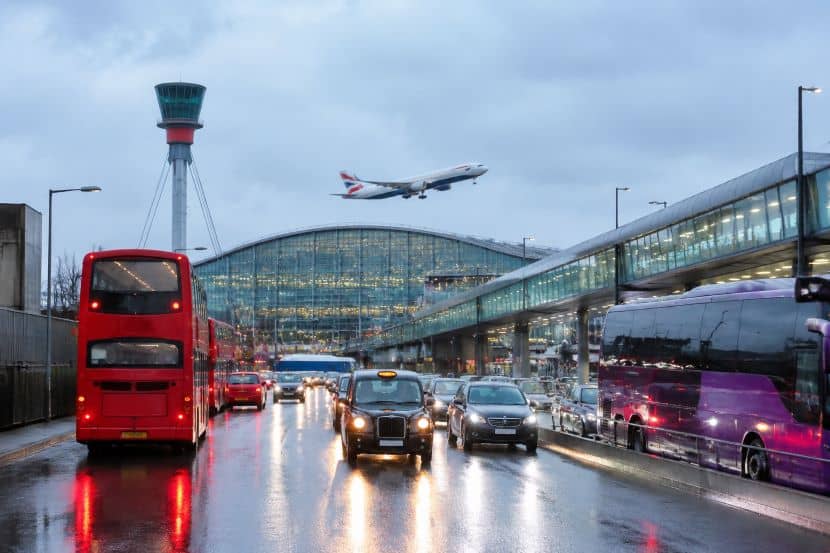
The episode landed at a site that Heathrow describes as the UK’s only hub airport, with monthly traffic statistics up to April 2026 underscoring the scale of the network and the number of passengers affected when service collapses. The incident raised a straightforward question about resilience: whether drainage, signalling, station protection and operator coordination were robust enough for a rail hub built to serve one of the world’s busiest airports.
This article was produced by Prism’s automated news system from verified source data, official records, and press releases, then run through automated quality and moderation checks before publishing. The system is built and supervised by the people who set the standards it runs under. Read our full AI policy.
Did this article answer your question?