Florida begins closing Alligator Alcatraz after $1.2 billion cost surge
Florida ordered contractors to start full demobilization of Alligator Alcatraz as its cost climbed to $1.2 billion and federal reimbursement still had not arrived.

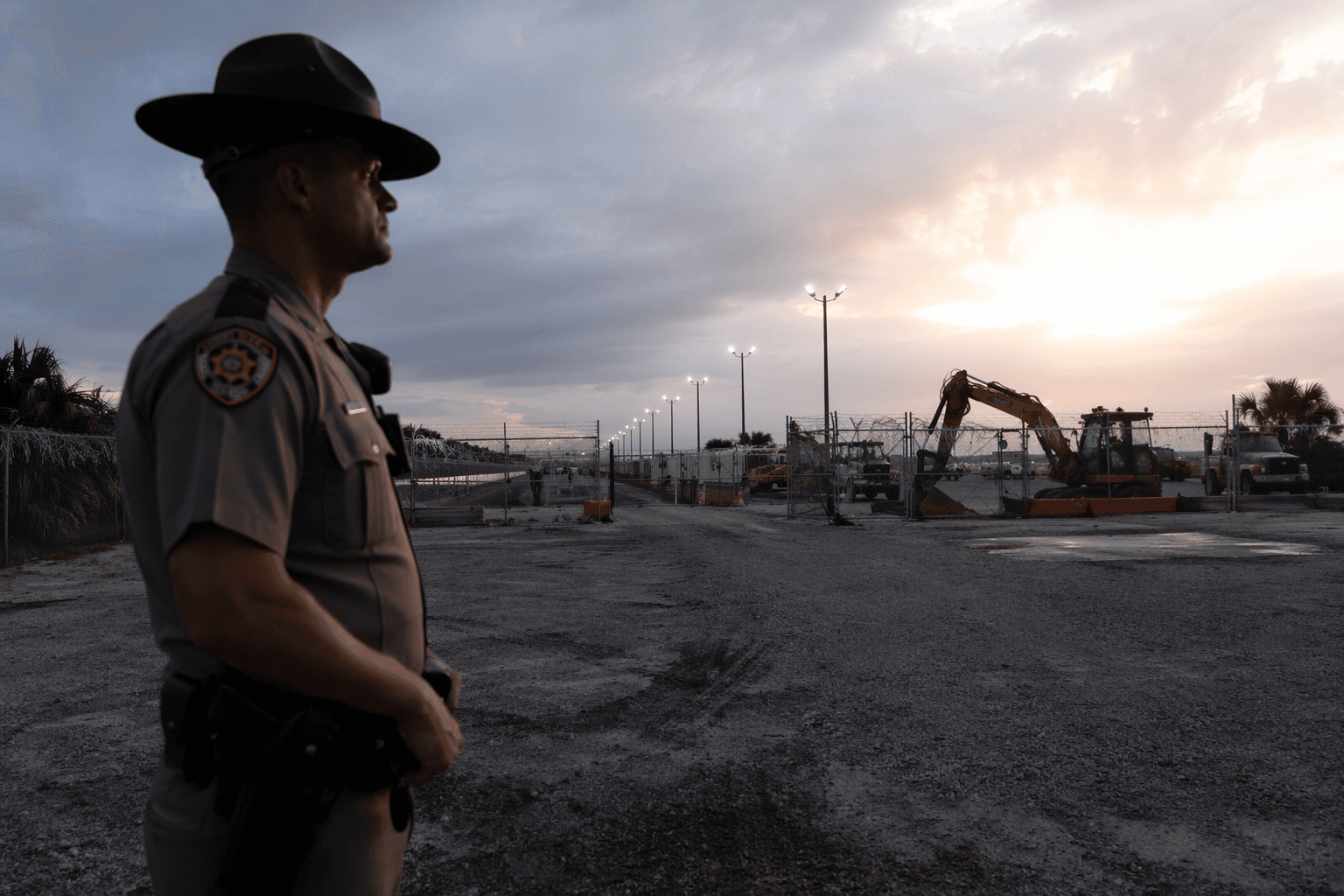
Florida began shutting down Alligator Alcatraz on Monday, ordering contractors to start “full demobilization” after months of speculation and a cost estimate that reached $1.2 billion. The detention center opened on July 3, 2025, at the Dade-Collier Training and Transition Airport in the Everglades, built with state tax money under Gov. Ron DeSantis and Attorney General James Uthmeier. The state had expected Washington to reimburse the bill, but that money never came through.
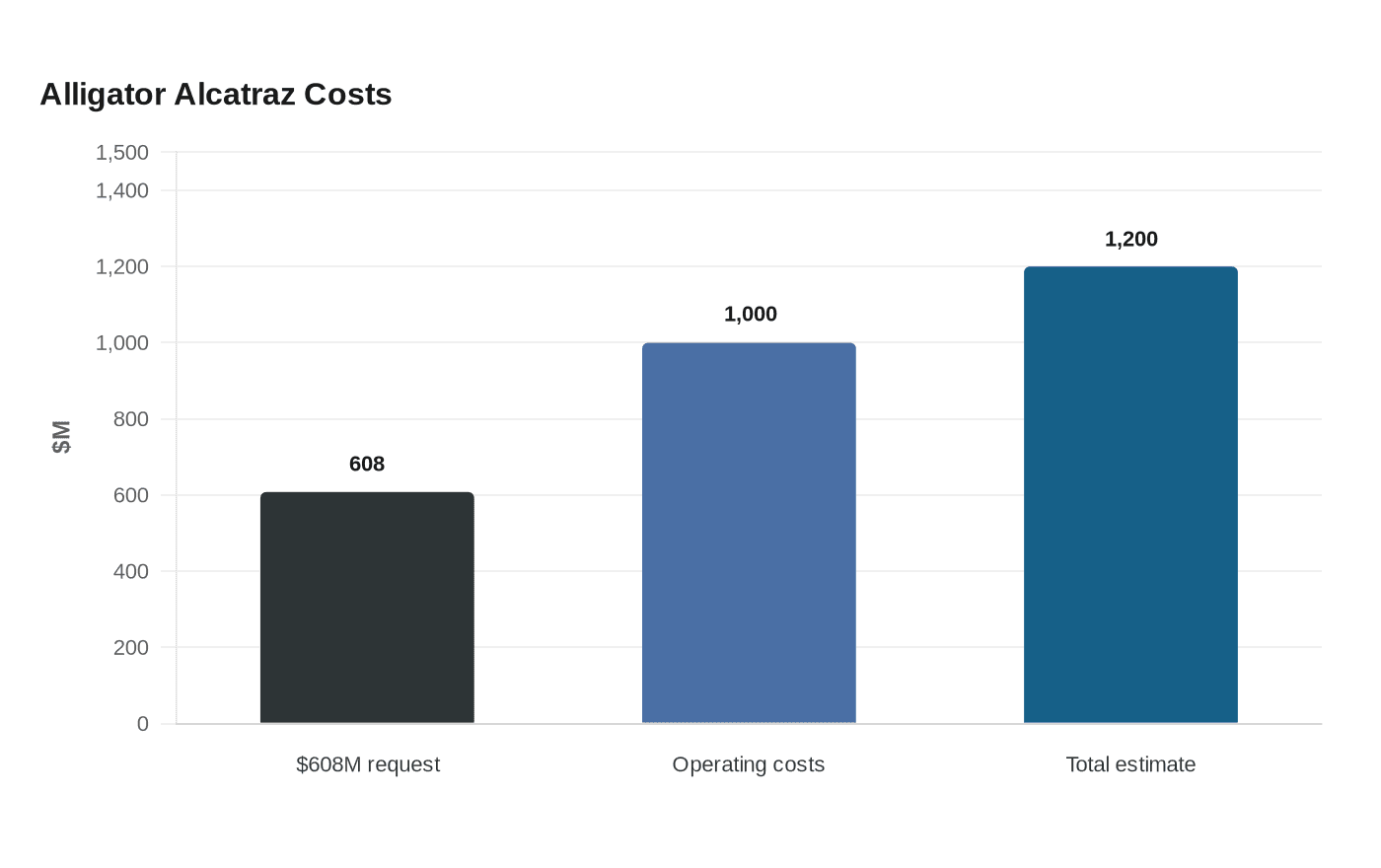
The retreat exposed how quickly the project had become a legal, financial and operational liability. State officials submitted a $608 million request at the end of 2025 that was eventually approved, but the funds were held up by court challenges, environmental concerns and other disputes. By May 2026, the remaining detainees were expected to be removed in the coming weeks, the site was no longer accepting new detainees, and 655 people were still inside. The facility’s operating costs had already climbed to nearly $1 billion before the latest estimate pushed the total to $1.2 billion.
The fight over the site began almost as soon as it was announced. On June 27, 2025, Friends of the Everglades and the Center for Biological Diversity sued the U.S. Department of Homeland Security, U.S. Immigration and Customs Enforcement, the Florida Division of Emergency Management and Miami-Dade County, arguing that the project moved ahead without the environmental review required by federal law and without public comment. The groups said the land is more than 96% wetlands and critical habitat for the endangered Florida panther. Later filings added air-pollution complaints, including a warning that Florida could face civil penalties of up to $124,426 per day for Clean Air Act violations.
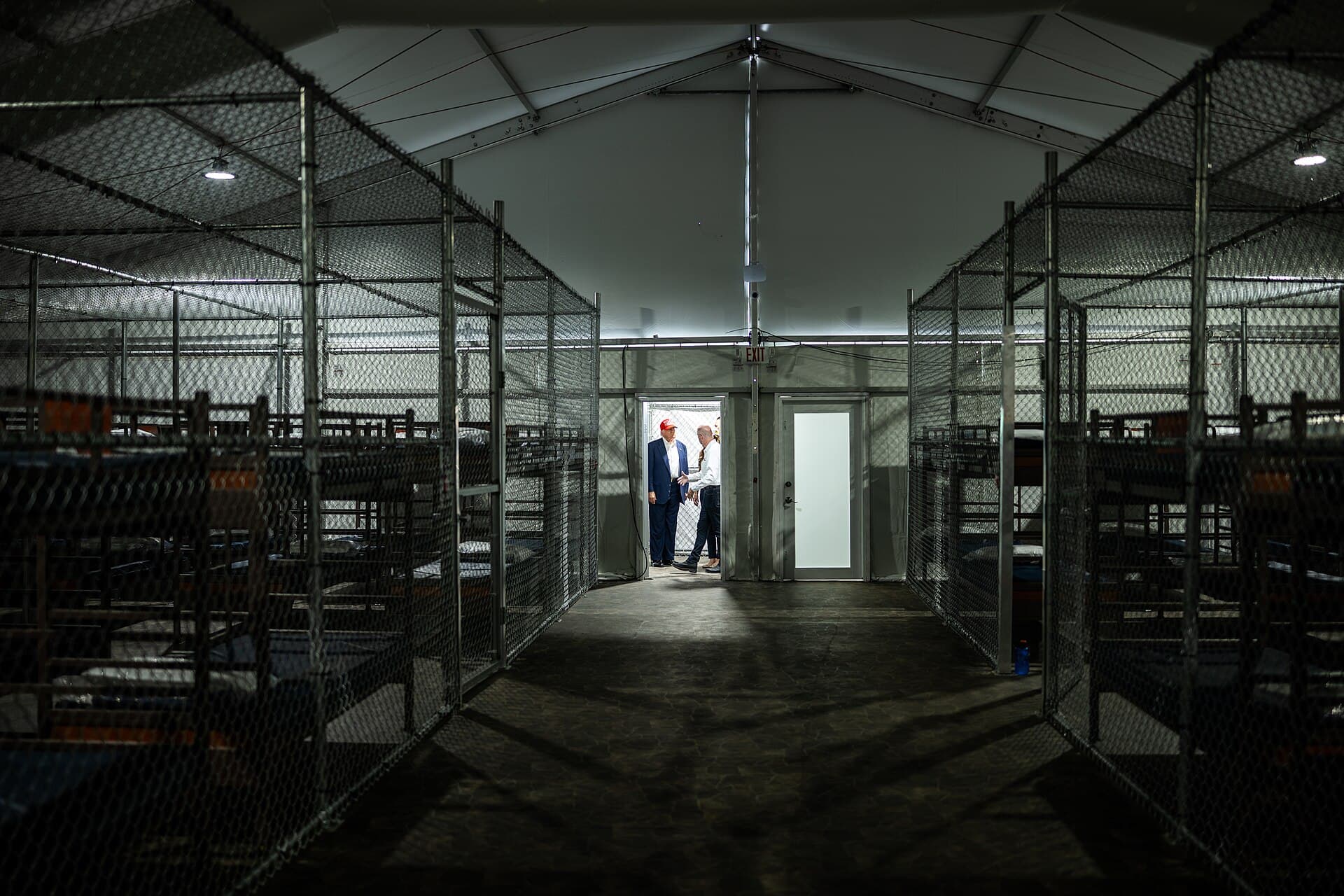
The closure also answers months of complaints from detainees, families, immigrant-rights advocates, environmental groups and tribal leaders who said the site never belonged in the Everglades in the first place. Reports from inside described blistering heat, limited medical care, poor access to water and showers, and power and air-conditioning outages. More than 250 detainees held there had no criminal charges or convictions in the United States. The land itself has been contested for decades, tied to the abandoned 1960s jetport fight and lying in the Big Cypress area that tribal leaders have described as sacred. Once demobilization is complete, the site is expected to return to a small airport for pilot training, leaving Florida with the political and financial residue of a detention experiment that never matched its promises.
This article was produced by Prism’s automated news system from verified source data, official records, and press releases, then run through automated quality and moderation checks before publishing. The system is built and supervised by the people who set the standards it runs under. Read our full AI policy.
Know something we missed? Have a correction or additional information?
Submit a Tip