Starmer quits after Labour’s rapid fall from power
Labour’s 411-seat landslide gave Starmer a 174-seat majority, but his approval sank to 19% and he was pushed out within weeks.
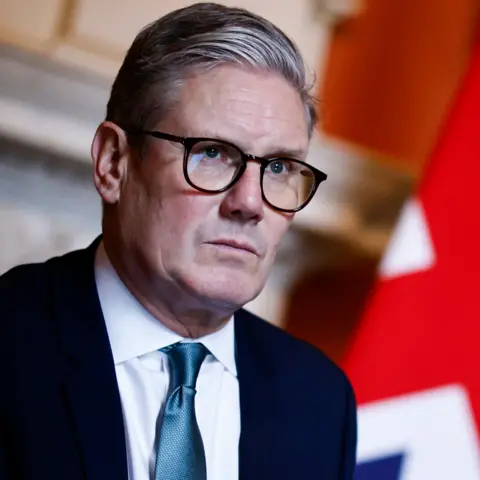
Less than two years after leading Labour to a 411-seat landslide and a 174-seat majority, Sir Keir Starmer was forced out by the speed of his own collapse. The party that ended 14 years of Conservative-led government in the 4 July 2024 general election lost its momentum so fast that the prime minister agreed to step aside within weeks, leaving office as a caretaker while Labour chose a successor.
Starmer’s rise had been built on competence, discipline and a lawyer’s instinct for rules. He became Director of Public Prosecutions in 2008, led the Crown Prosecution Service until 2013 and received a knighthood in 2014 for services to criminal justice. That background helped him present himself as a steady hand after the turmoil of the Rishi Sunak years. But it also produced the central weakness of his premiership: he could win institutions without ever fully persuading the public why his government existed.

By spring 2026, the gap between administrative control and political authority had become glaring. A YouGov poll in April put Labour’s approval at 15%, with 68% disapproving, while one poll in June put Starmer’s personal approval at about 19%. Heavy Labour losses in the May 2026 English local elections deepened the sense that the 2024 mandate had evaporated. Reform UK, led by Nigel Farage, made gains in the same local contests, exposing Labour’s vulnerability in its traditional heartlands and undercutting the argument that competence alone could hold together a governing coalition.
Starmer’s problem was not just bad news, but a failure of political communication. The rules-first style that reassured party members and civil servants never translated into a durable public case for government. In office, Labour often sounded managerial rather than purposeful, and when economic pressure, local grievances and anti-establishment anger rose together, the absence of a sharper ideological story left Starmer exposed. The very lack of ideology that had helped him rise became the liability that accelerated his fall.
The leadership contest is now moving quickly. Labour’s timetable sets nominations to open on 9 July and close on 16 July, with the party aiming to install a new leader by 1 September. Andy Burnham, the former Greater Manchester mayor and newly elected MP, is widely seen as the leading contender. For Labour, the speed of the handover underlines how quickly a huge majority can turn into a political warning.
This article was produced by Prism’s automated news system from verified source data, official records, and press releases, then run through automated quality and moderation checks before publishing. The system is built and supervised by the people who set the standards it runs under. Read our full AI policy.
Know something we missed? Have a correction or additional information?
Submit a Tip

