Florida crabber sues after faulty AI facial recognition arrest
A Fort Myers crabber says a 93% AI face match led to his 2024 arrest outside his home, even though he had never been to Jacksonville Beach.

A Fort Myers crabber says police used a faulty facial-recognition match to turn a poor-quality image into a public arrest, and now he is asking a federal court to decide how far law enforcement can trust biometric technology. Robert Dillon, 52, says officers took him into custody outside his San Carlos Park home in 2024 over a child-luring investigation tied to a Jacksonville Beach McDonald’s, more than 300 miles away.
The lawsuit, filed June 10, 2026, names the Jacksonville Beach Police Department, the Jacksonville Sheriff’s Office and the Pinellas County Sheriff’s Office. Dillon says the case rested on an AI-powered facial-recognition search that produced a 93% match to his image, even though he had never set foot in Jacksonville Beach. He told officers he had no connection to the crime, saying, “I don’t wish this on my worst enemy,” and, “I have no idea who did this, but it’s not me.”
The complaint says the warrant process was built on three flawed steps: an unreliable face match, a photo array tainted by that false result and an affidavit that left out exculpatory evidence. It also identifies Jacksonville Beach officer Scott O’Connell as the lead investigator and says his record later reflected volatility and poor judgment. Dillon says an officer treated the image as a match to his mugshot even after he protested the arrest.
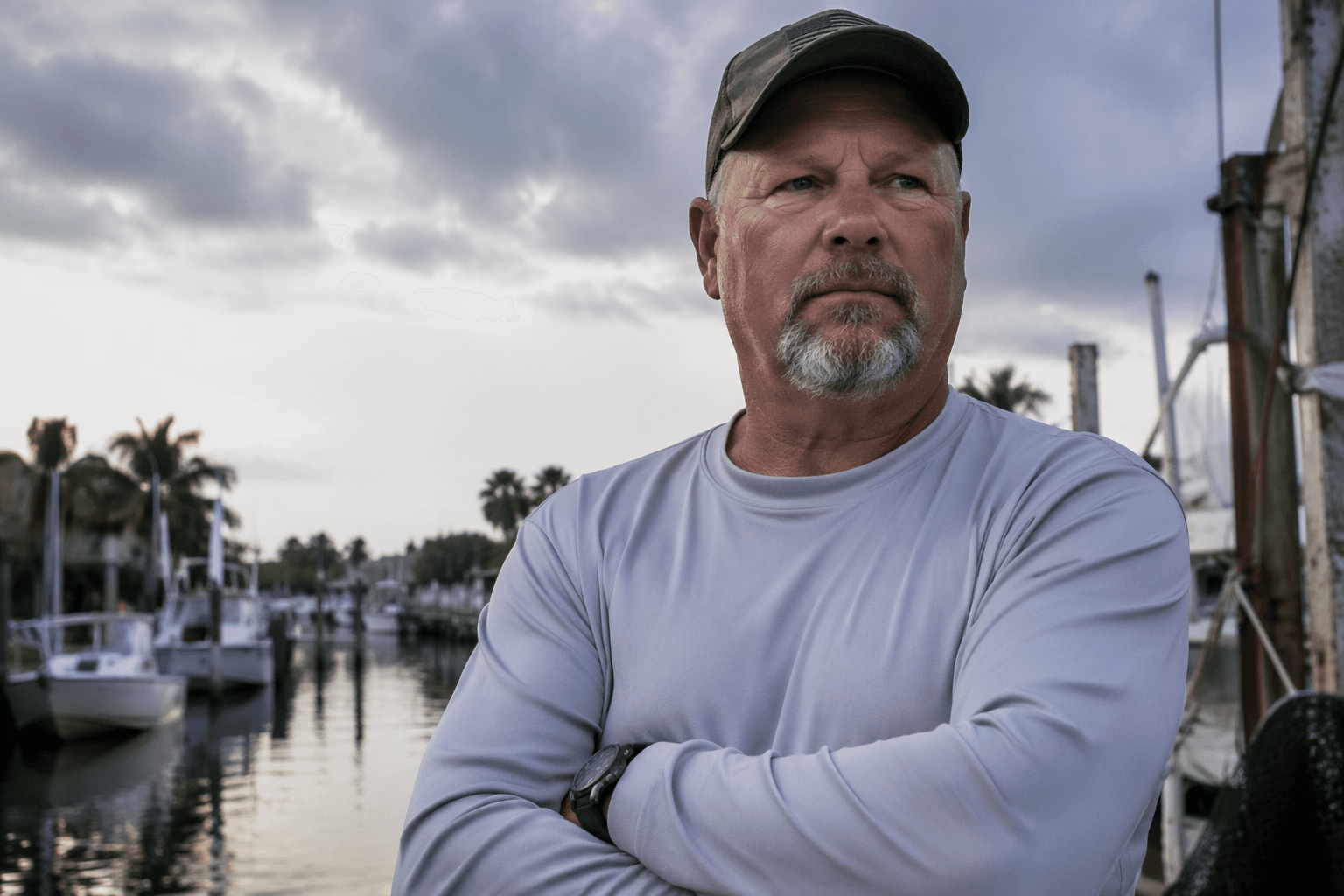
The state attorney later dropped the case, but Dillon says it took nearly a year to clear the arrest from his record, with help from the ACLU. The group says Dillon is one of 15 known people in the United States who have been wrongfully arrested because of facial-recognition errors, and that at least seven such arrests were already documented by 2024. That history is making Dillon’s case a potential test of how courts will treat police reliance on biometric tools when the human checks fail.
Florida has become one of the country’s most closely watched states for facial recognition. The Pinellas County Sheriff’s Office launched its FACES system in 2001, and the state database has been described as holding more than 33 million faces and being searched about 8,000 times a month. Critics have long argued that the technology misidentifies Black people and other people of color at higher rates, and the complaint says police used it here without meaningful safeguards before escalating a mistaken match into an arrest that Dillon says has lingered long after the handcuffs came off.
This article was produced by Prism’s automated news system from verified source data, official records, and press releases, then run through automated quality and moderation checks before publishing. The system is built and supervised by the people who set the standards it runs under. Read our full AI policy.
Know something we missed? Have a correction or additional information?
Submit a Tip