Florida Infant Dies in Hot Car, Marking First Such U.S. Fatality of 2026
A Winter Haven, Florida infant became 2026's first U.S. hot-car fatality on March 31, as 85°F heat turned a parked car lethal within minutes.

An 85-degree Tuesday in Winter Haven, Florida ended with the death of an infant left in an unattended vehicle, making it the first hot-car fatality recorded in the United States in 2026. The child was discovered on March 31 and transported to the hospital, where life-saving efforts failed. The Winter Haven Police Department has not publicly disclosed how long the infant was inside the vehicle or the specific circumstances leading to the death, citing an active investigation.
The outside temperature of 85°F that afternoon understates the danger inside the car. Safety research consistently shows that a parked vehicle's interior can climb to life-threatening levels within 10 minutes of the engine shutting off, even on days that feel merely warm. A child's body overheats far faster than an adult's, and cracking a window provides negligible relief against that rate of temperature gain.
Kids and Car Safety, the nonprofit that tracks these deaths nationwide, identified the Winter Haven case as the first child hot-car fatality in the country this year. The organization's data show that roughly 35 to 40 children die in hot cars in the United States annually, with nearly nine out of 10 victims under the age of 3. In more than half of fatal cases, the child was not deliberately abandoned; the caregiver simply forgot the infant was in the rear seat.
That failure has a documented explanation. Any disruption to routine — a change in who handles the daycare drop-off, a distracted morning commute, an unusual route — can break the cognitive chain that would otherwise prompt a caregiver to check the back seat. A rear-facing infant seat, positioned below the driver's sightline, compounds the problem. Researchers who study vehicular heatstroke deaths have documented this pattern consistently enough that it now informs the design of prevention protocols.
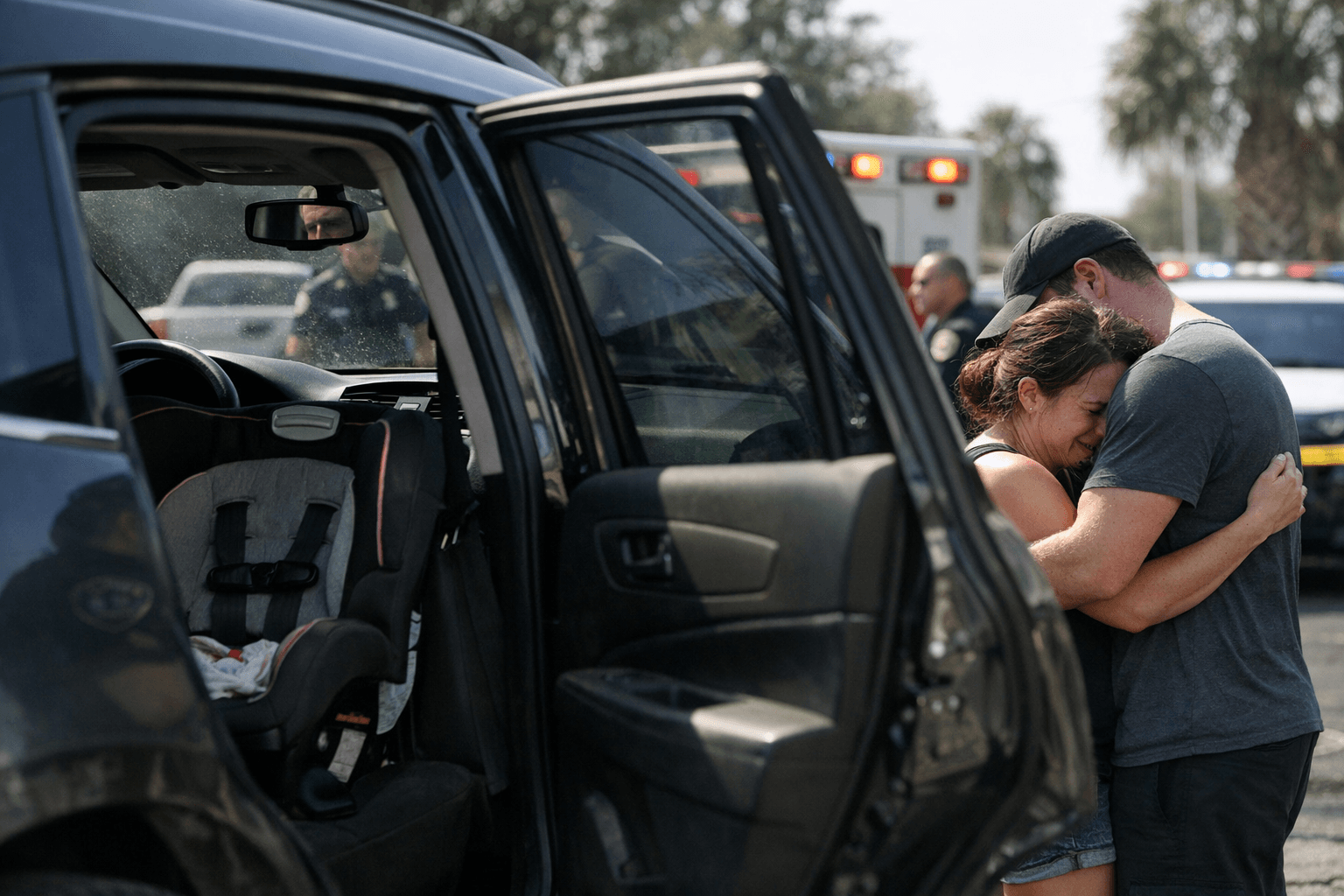
The technology to interrupt that chain has been slow to become universal. In 2019, automakers representing roughly 98 percent of U.S. new-vehicle sales voluntarily agreed to install rear-seat reminder systems in virtually all models by the 2025 model year. These systems alert drivers when a rear door was opened before a trip but not again after the engine shuts off. Congressional legislation known as the Hot Cars Act has pursued a federal mandate, though the bill has not been enacted. NHTSA's own prevention guidance also directs parents to ask childcare providers to call if a child does not arrive as expected — a low-cost check-in protocol that can catch the exact lapse that produces most hot-car deaths.
On enforcement, outcomes vary sharply by jurisdiction. In February 2026, a Jefferson County, Alabama grand jury indicted a woman on charges related to the 2025 hot-car death of a 3-year-old, a case the court found demonstrated a level of negligence that warranted criminal prosecution. Whether Winter Haven authorities will pursue charges depends on investigative findings they have not yet released.
Safety advocates point to habits that require no technology: keep all vehicles locked when not in use so a child cannot climb in unsupervised, place a phone or bag in the rear seat as a physical prompt to look before walking away, and treat a visual sweep of the back seat as a non-negotiable final step after every stop. With temperatures rising across much of the country heading into spring, the calendar alone argues for making those habits automatic now, before the toll climbs past one.
Know something we missed? Have a correction or additional information?
Submit a Tip

