Florida search for sand dollars leads to San Francisco aquarium
Martha Teichner’s Florida sand-dollar hunt ended in San Francisco, where Steinhart Aquarium’s 1,000 species helped decode a beach clue.
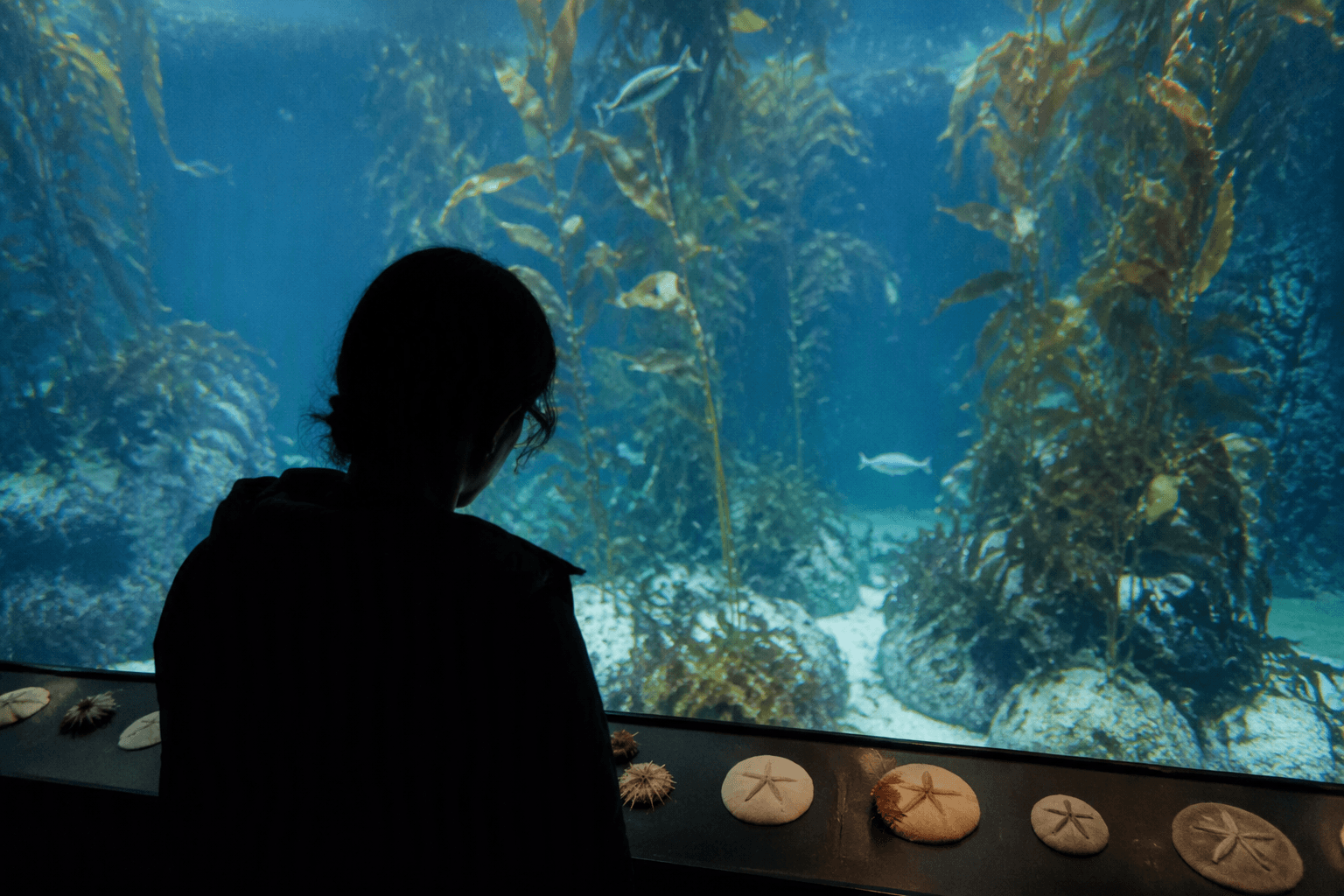
At the California Academy of Sciences’ Steinhart Aquarium in San Francisco, sand dollars turned out to be echinoderms, the same broad animal group that includes sea urchins and sea stars. Martha Teichner’s search for sand dollars on Florida beaches with naturalist Kristen Williams, known as The Seashell Mermaid, led to a lesson far beyond a shell hunt.
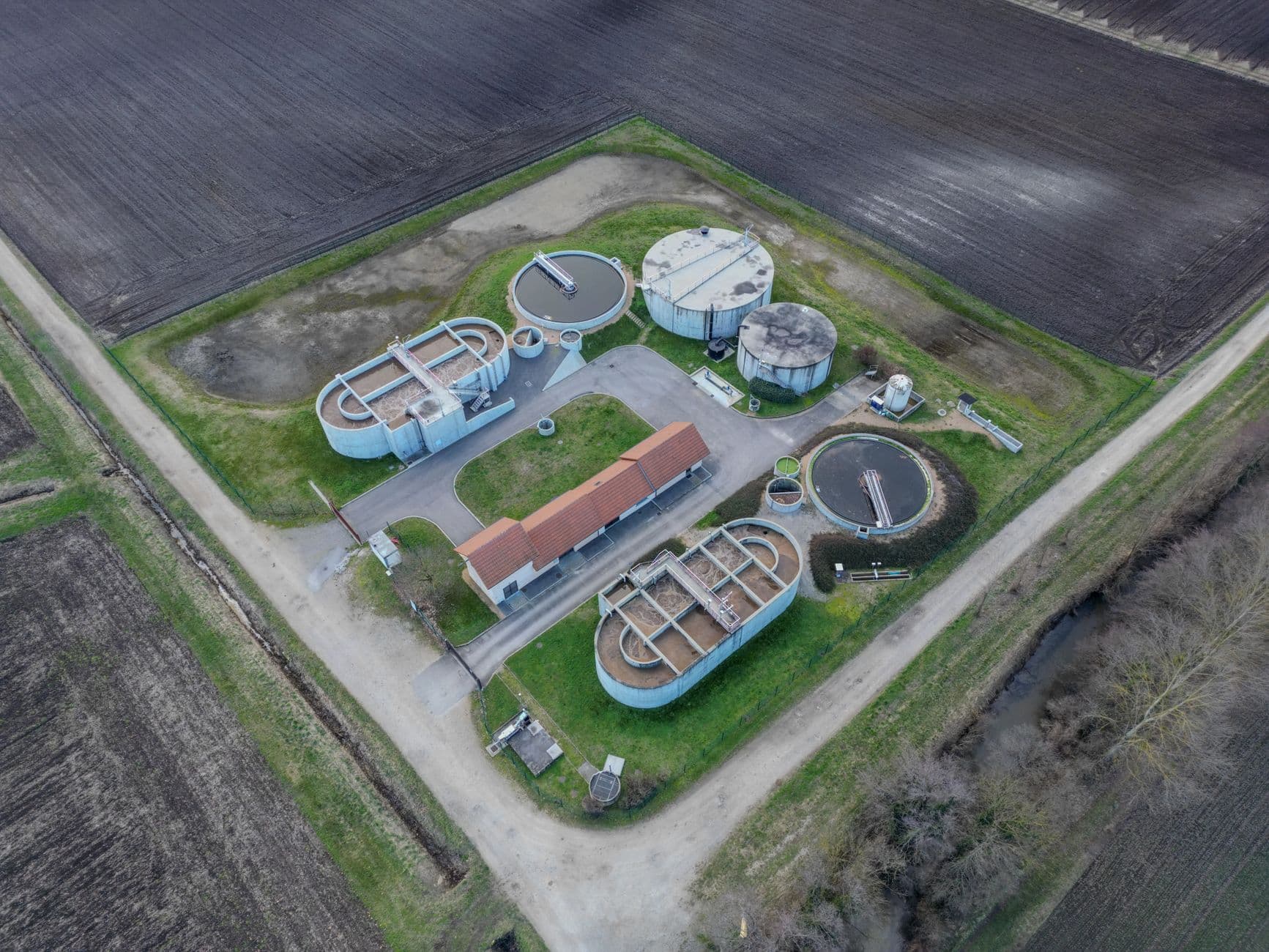
Sand dollars live in sandy or muddy flat areas of the ocean floor, often just below the low-tide line in shallow coastal waters, which makes them useful markers of nearshore habitat conditions. When those shallow sand flats are altered by erosion, replenishment or heavy use, the animals that depend on them can shift with the shoreline.
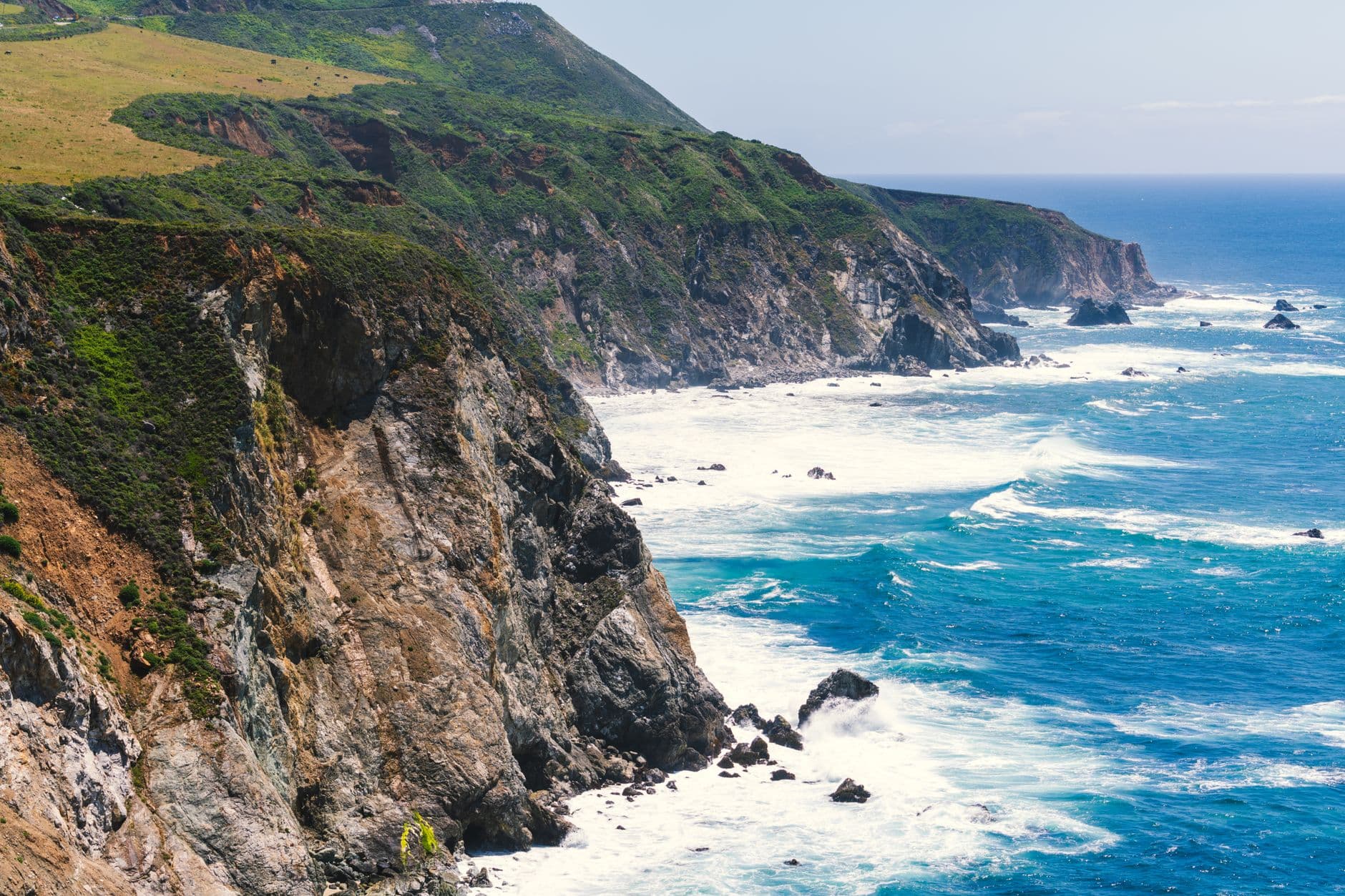
California’s beach water quality page puts the state’s beaches at more than 150 million day visits a year and over $10 billion annually from beach visitors. NOAA’s shoreline habitat overview identifies beaches as the most visited part of the coastal marine ecosystem, valued for recreation, habitat and storm protection. The same pressure that fills parking lots and boardwalks can also compact sand, disturb habitat and complicate water-quality management.
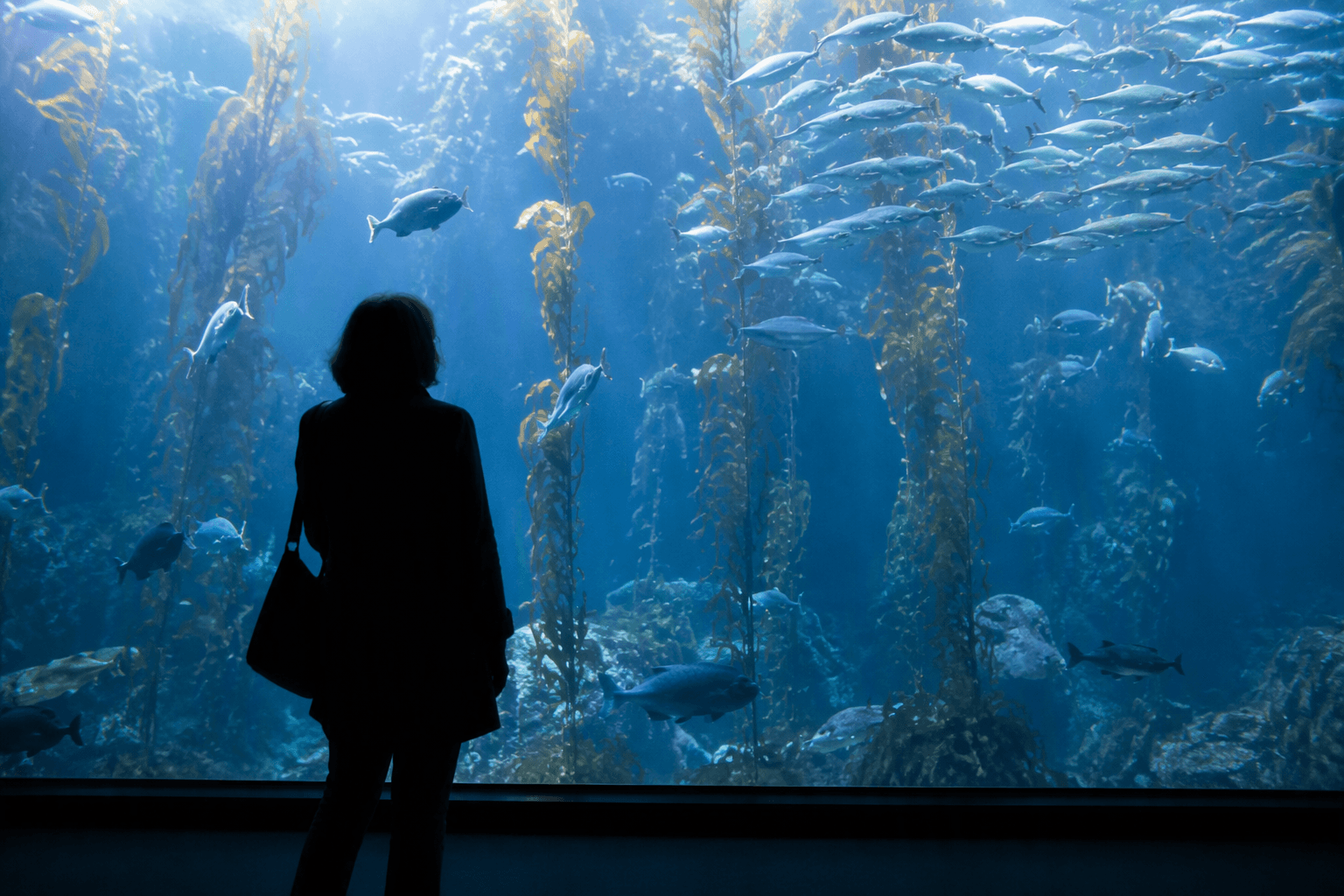
The California Academy of Sciences’ Steinhart Aquarium in San Francisco opened on September 29, 1923, and marked its 100th anniversary in 2023. It houses more than 1,000 species and about 60,000 animals, including the 100,000-gallon California Coast habitat and the Water Planet gallery, where visitors see jellies, pythons, pipefish, seahorses, lumpsuckers and other adapted animals.
The California Academy of Sciences’ Department of Invertebrate Zoology and Geology studies corals, mollusks, urchins and related marine life. Only about 10% of Earth’s biodiversity has been documented.
This article was produced by Prism’s automated news system from verified source data, official records, and press releases, then run through automated quality and moderation checks before publishing. The system is built and supervised by the people who set the standards it runs under. Read our full AI policy.
Did this article answer your question?