Football lawmakers target goalkeeper tactical time-outs with new trials
Goalkeeper injury pauses have become football’s newest loophole. IFAB is testing fixes that punish delay without simply shifting the problem elsewhere.
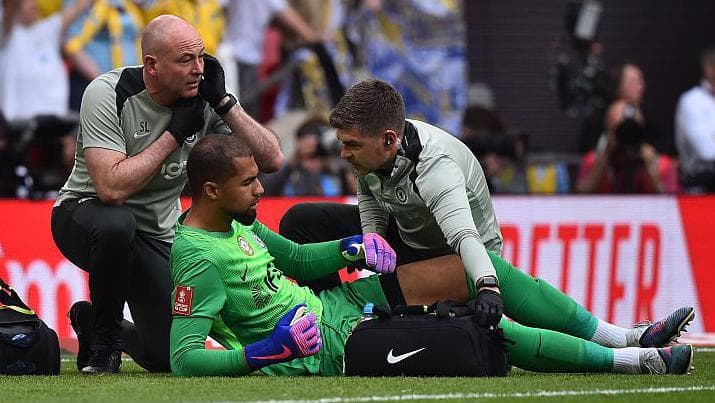
Football’s lawmakers are moving against a familiar trick: a goalkeeper drops for treatment, the clock stops, and coaches use the pause as an in-game timeout. The complaint sharpened after Daniel Farke accused Gianluigi Donnarumma of feigning injury during Manchester City’s 3-2 win over Leeds United on 29 November 2025, saying the stoppage let Pep Guardiola pass on instructions.
At IFAB’s Annual Business Meeting in London on 20 January 2026, the game’s rulemakers backed further measures to improve match flow and reduce tempo disruption. The main trial would require players who receive on-field injury treatment or assessment to leave the pitch and remain off it for a fixed period after play restarts, with the exact length still to be decided. IFAB also agreed to enforce a 10-second limit for players leaving the field when substituted. Goalkeepers remain the problem case because Law 5 already exempts them from the normal requirement to leave the field for treatment.
That exemption is precisely where the tactical time-out has flourished. The law previously used to tackle goalkeeper delay, a six-second indirect free kick, was widely judged too awkward to enforce. IFAB said it was rarely applied because indirect free kicks inside the penalty area were difficult to manage and too disruptive. After trials in hundreds of matches, the governing body approved a different sanction for 2025/26: if a goalkeeper holds the ball for longer than eight seconds, the opposition will be awarded a corner kick, and referees will use a visible five-second countdown.
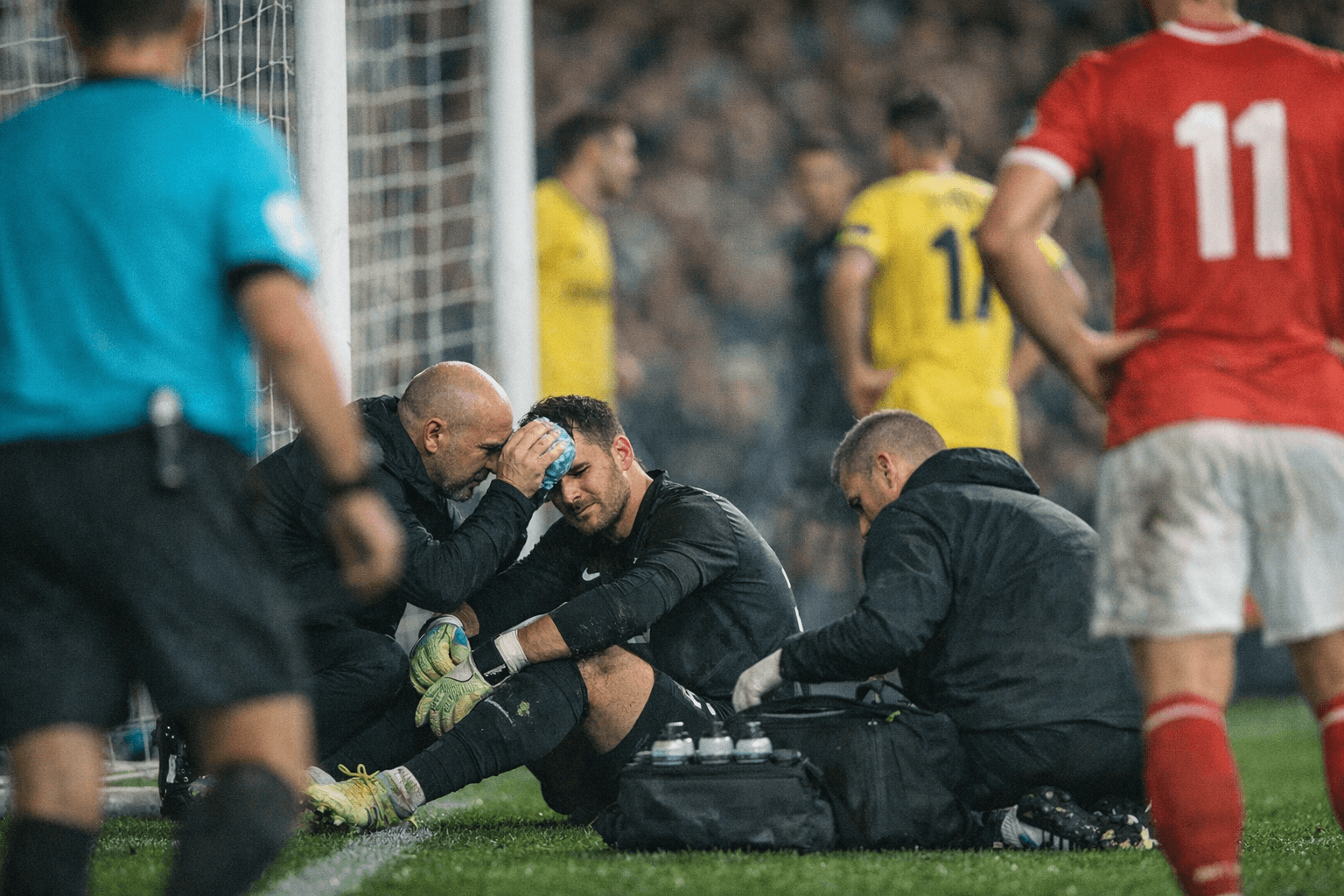
Each of the four approaches tackles a different part of the problem, and each changes incentives in a different way. The old six-second indirect free kick was the weakest on pace and fairness because it was so hard to administer that referees often let it pass. The new eight-second corner is cleaner, faster to enforce and more likely to deter deliberate ball-holding, but it does nothing when the delay comes from treatment rather than possession.
The proposed injury-treatment trial goes after the loophole more directly. By forcing a player who has been treated or assessed on the field to leave for a fixed period after the restart, it would make the stoppage costly and reduce the reward for turning medical attention into a coaching huddle. The 10-second substitution limit is narrower still: it may shave waste from match management, but it does not touch the tactical time-out itself. IFAB says the broader aim is to protect match flow, reduce frustration for players, coaches and fans, and keep the laws aligned with fair play.
This article was produced by Prism’s automated news system from verified source data, official records, and press releases, then run through automated quality and moderation checks before publishing. The system is built and supervised by the people who set the standards it runs under. Read our full AI policy.
Did this article answer your question?